Galaxy S23 FE Vs iPhone SE (2020)

Galaxy S23 FE
Galaxy S23 FE
Starting at

Refurbished price:£173.00

Versus £605.75 new

See options
iPhone SE (2020)
iPhone SE (2020)
Starting at

Refurbished price:£67.00

Versus £289.00 new

See options

Ratings

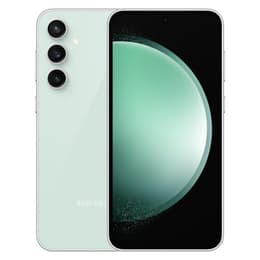
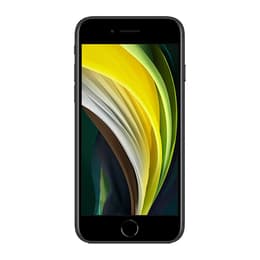
The Samsung Galaxy S23 FE (2023) and the iPhone SE (2020) are two smartphones that cater to different user preferences within the Android and iOS ecosystems. While the Galaxy S23 FE offers a modern, expansive display and a versatile multi-lens camera system, the iPhone SE (2020) maintains a classic, compact design with a physical home button. The three-year gap between their release dates significantly influences their technical capabilities, software longevity, and overall physical footprint for daily handling.

Scores

Durability

The age difference between these two devices is the primary factor in determining their remaining functional lifespan and software compatibility.

  • Software Longevity: The Galaxy S23 FE (2023) is expected to receive official updates for several more years, likely remaining current until the late 2020s. The iPhone SE (2020) is further along in its lifecycle, meaning it may soon stop receiving major operating system updates.
  • Build and Repair: Both phones utilise glass and aluminium, but the Galaxy S23 FE features more modern glass for improved scratch resistance. Opting for a quality-assured refurbished option can also extend the lifecycle of these electronics by ensuring they are professionally inspected.
  • Practical Lifespan: Users seeking a device to last for the next four years will find the Galaxy S23 FE more suitable, whereas the iPhone SE (2020) is better for those needing a functional device for a shorter period.

Year of Release

2023

2020

Compatible with latest Update

Yes

Yes

OS

Android

iOS

Foldable

No

No

Performance

Daily performance remains reliable on both devices, though the Galaxy S23 FE is better equipped for modern, resource-heavy tasks.

  • System Responsiveness: The Galaxy S23 FE handles demanding multitasking and high-end mobile games smoothly, with enough memory to keep multiple applications active in the background. The iPhone SE (2020) remains responsive for essential tasks like messaging and web browsing, but users may notice slower loading times when opening large files.
  • Battery Endurance: With its larger physical frame, the Galaxy S23 FE contains a high-capacity battery that typically supports a full day of use for most people. The iPhone SE (2020) has a much smaller battery, which often requires more frequent charging, especially for those who use their device for navigation.
  • Storage and Memory: Both models offer various internal storage capacities, though the Galaxy S23 FE generally starts with higher base memory, providing more room for system files and allowing more apps to stay open without refreshing.

Memory (GB)

8 GB

3 GB

Screen quality

The visual experience differs greatly between these models, reflecting the shift in display technology over the three years separating them.

  • Display Technology: The Galaxy S23 FE uses an AMOLED screen that provides deep blacks and vibrant colours, making it a strong choice for media consumption. The iPhone SE (2020) features a traditional LCD panel that offers natural colour reproduction but lacks the high contrast and energy efficiency found in newer display types.
  • Refresh Rate and Fluidity: Scrolling and animations appear much smoother on the Galaxy S23 FE due to its high refresh rate, which updates the image more frequently. The iPhone SE (2020) uses a standard refresh rate that is functional but does not provide the same level of visual fluidness during fast-paced interactions.
  • Size and Clarity: The 6.4-inch screen of the Galaxy S23 FE offers a large canvas for reading and watching videos, while the 4.7-inch screen of the iPhone SE (2020) is designed for maximum portability and easy one-handed operation.

Resolution

1080 x 2340

750 x 1334

Screen type

Dynamic AMOLED 2X

Retina IPS LCD

Audiovisual

Camera capabilities and media playback are areas where the generational gap is most apparent in practical use.

  • Camera Versatility: The Galaxy S23 FE features a triple-lens system, including a dedicated telephoto lens for zooming and an ultra-wide lens for capturing more of a scene. The iPhone SE (2020) relies on a single rear camera, which takes high-quality standard photos but lacks the flexibility for wide-angle or zoomed-in shots.
  • Low-Light Performance: Modern image processing on the Galaxy S23 FE allows it to capture clear, detailed photos in dark environments with minimal noise. The iPhone SE (2020) performs well in bright daylight but struggles to maintain clarity and detail when the lighting conditions are less than ideal.
  • Audio Experience: Both devices feature stereo speakers for a balanced sound, but the Galaxy S23 FE generally produces a louder and more immersive audio output. For video calls and recordings, both phones include capable microphones that capture clear voice audio for everyday communication.

Main camera

50 megapixels

12 megapixels

Front camera

10 megapixels

7 megapixels

Miscellaneous

Hardware features and connectivity standards reflect the different eras in which these two smartphones were designed.

  • Connectivity and Ports: The Galaxy S23 FE supports 5G for faster mobile data and uses a USB-C port, which is the current standard for most modern electronics. The iPhone SE (2020) is limited to 4G LTE and uses the Lightning port, which may require specific cables that are becoming less common as the industry transitions.
  • Biometric Security: Samsung incorporates a fingerprint sensor directly under the display glass, allowing for a modern, bezel-less look. The iPhone SE (2020) uses a physical home button with a built-in fingerprint sensor, which is highly reliable and preferred by users who like tactile feedback.
  • Dimensions and Handling: The iPhone SE (2020) is notably light and compact, fitting easily into small pockets and being comfortable for long periods of one-handed use. The Galaxy S23 FE is larger and heavier, offering a more substantial feel that some users prefer for stability.

Weight

209 g

148 g

Screen size (in)

6.4

4.7

Mobile network

5G

4G

SIM card

Dual Physical SIM

Physical SIM + eSIM

Carrier compatibility

Unlocked

Unlocked

The choice between the Galaxy S23 FE and the iPhone SE (2020) depends largely on whether a user prioritises modern features or compact simplicity. Based on common user feedback from online forums, the Galaxy S23 FE is highly regarded for its vibrant display and versatile camera, though some find its size a bit cumbersome. The iPhone SE (2020) is frequently praised for its pocket-friendly design and the straightforward nature of its operating system, although its battery life is often cited as a limitation for more active users.

Users who enjoy watching videos, playing games, or taking a variety of photos will likely find the Galaxy S23 FE to be the more appropriate choice for their needs. Conversely, those who prefer a small, lightweight phone for basic tasks and who appreciate the familiarity of a physical home button may find the iPhone SE (2020) more appealing. Choosing a quality-assured refurbished option for either device is a sustainable choice that provides a reliable smartphone experience while reducing environmental impact. Ultimately, both devices remain capable for daily use, with the Galaxy S23 FE offering more future-readiness and the iPhone SE (2020) providing a classic, portable alternative.

See all articles

Our recent comparisons