
Compare models
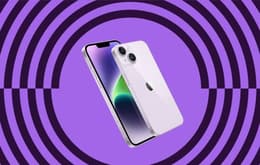
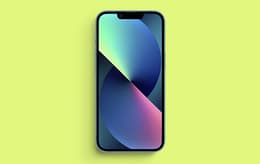
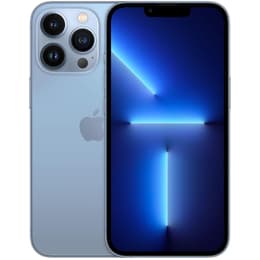
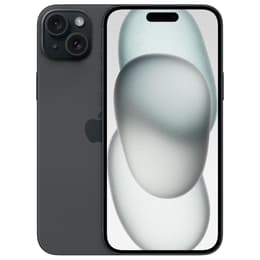
iPhone 13 Pro Vs iPhone 15 Plus
- 1-year minimum warranty
- Free delivery on all items
- Free 30-day returns
Differences at a glance
The iPhone 13 Pro, released in 2021, and the iPhone 15 Plus, launched in 2023, represent two distinct philosophies within the smartphone market. While the 13 Pro was designed as a high-performance, compact flagship with advanced display technology, the 15 Plus focuses on providing a larger screen and modern connectivity standards in a more streamlined package. Both devices operate on Apple's iOS, ensuring a consistent software experience with access to the same apps and security updates, yet they cater to different user priorities regarding size and functionality.
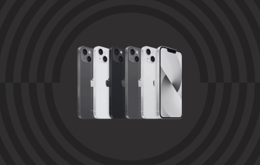
Available Models
Colour
Storage (GB)
Scores
Durability
When evaluating how long these devices will remain relevant, the release timeline plays a significant role in software support and physical repairability.
- Software Longevity: The iPhone 15 Plus, being two years newer, is expected to receive official iOS updates for a longer period than the iPhone 13 Pro, likely extending its functional life into the late 2020s.
- Repairability Standards: The iPhone 15 Plus features an updated internal design that allows for easier access to the back glass and battery, making it slightly more straightforward to service than the more tightly integrated iPhone 13 Pro.
- Sustainable Choice: Both models are built with high-quality materials designed for durability, and choosing a quality-assured refurbished option can further extend the lifecycle of these devices while reducing environmental impact.
Year of Release
2021
2023
Compatible with latest Update
Yes
Yes
OS
iOS
iOS
Foldable
No
No
Performance
Performance in these models is defined by how smoothly they handle daily tasks and how long they can operate away from a power outlet.
- System Responsiveness: The iPhone 13 Pro remains highly responsive for multitasking and demanding apps, while the iPhone 15 Plus uses a newer generation of internal hardware that offers more efficiency for future software demands.
- Battery Endurance: The iPhone 15 Plus is a standout performer for battery life, often lasting through a full day of heavy use or two days of light use, whereas the iPhone 13 Pro has a smaller battery that may require more frequent charging for power users.
- Everyday Efficiency: Both devices handle high-end mobile gaming and video editing without significant slowdowns, though the 15 Plus stays cooler during prolonged heavy tasks due to its larger surface area for heat dissipation.
Screen quality
The display is the primary point of interaction, and these two models offer very different visual experiences based on size and technology.
- Motion Smoothness: The iPhone 13 Pro features an adaptive refresh rate that makes scrolling and animations look exceptionally fluid, a feature that is absent on the standard 60Hz screen of the iPhone 15 Plus.
- Viewing Area: Users who enjoy watching films or reading long articles will appreciate the 6.7-inch display of the iPhone 15 Plus, while the 6.1-inch screen of the 13 Pro is better suited for comfortable one-handed operation.
- Outdoor Clarity: The iPhone 15 Plus can reach higher brightness levels in direct sunlight, making it easier to read outdoors, though both use OLED technology to provide deep blacks and vibrant colours.
Resolution
1170 x 2532
1290 x 2796
Screen type
Super Retina XDR OLED
Audiovisual
Photography and video capabilities are a major differentiator, with one model focusing on versatility and the other on raw resolution.
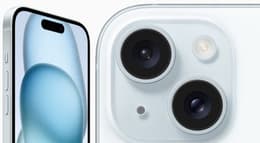
- Versatile Lenses: The iPhone 13 Pro includes a dedicated telephoto lens for optical zoom and a macro mode for close-up photography, features that are not physically present on the dual-camera system of the 15 Plus.
- Image Detail: The iPhone 15 Plus introduces a 48-megapixel main sensor that captures more fine detail in standard photos, allowing users to crop into their images without losing as much clarity as they might on the 13 Pro.
- Video Production: Both smartphones offer excellent video stability and cinematic modes, but the 13 Pro provides more advanced recording formats for those who wish to perform professional-level editing on their footage.
Main camera
12 megapixels
48 megapixels
Front camera
12 megapixels
12 megapixels
Miscellaneous
Practical design choices and connectivity standards often influence the daily convenience of a smartphone more than raw specifications.
- Connectivity Standards: The iPhone 15 Plus features a universal USB-C port, allowing for easier charging with cables used for laptops and other modern electronics, while the 13 Pro uses the older Lightning connector.
- Physical Handling: Despite its larger size, the iPhone 15 Plus is surprisingly light due to its aluminum frame, whereas the iPhone 13 Pro feels heavier and more substantial because of its stainless steel construction.
- Interface Innovation: The iPhone 15 Plus replaces the traditional screen notch with the Dynamic Island, a functional area that displays live notifications and background activity, providing a more modern look and feel.
Weight
203 g
201 g
Screen size (in)
6.1
6.7
Mobile network
5G
5G
SIM card
Physical SIM + eSIM
Physical SIM + eSIM
Carrier compatibility
Unlocked
Unlocked
Connector
Lightning
USB-C
What the community thinks
User feedback from online communities and forums highlights a clear divide in preference between these two models. The iPhone 13 Pro is frequently praised for its fluid 120Hz display and its versatile camera system, which remains a favorite for those who prefer a more compact, feature-rich device. On the other hand, the iPhone 15 Plus receives significant acclaim for its exceptional battery life and the convenience of the USB-C port, though some users note the lack of a high-refresh-rate screen as a trade-off. The consensus suggests that the 15 Plus is the ideal choice for travelers and media consumers, while the 13 Pro continues to serve those who value photography and a smoother visual experience.
Users who prioritize a smooth screen and advanced zoom capabilities in a smaller frame may find the iPhone 13 Pro better suited to their needs. Conversely, users who prioritize a large display, long-lasting battery, and modern charging standards will likely lean toward the iPhone 15 Plus. Opting for an eco-friendly alternative like a refurbished model ensures that you receive a quality-assured device while supporting sustainable consumption. Ultimately, the decision depends on whether you value the specialized features of an older Pro model or the modern refinements and larger scale of the newer Plus generation.