
Galaxy A14 Vs Google Pixel 6A

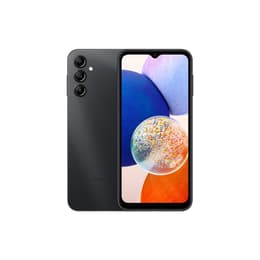
Galaxy A14
Galaxy A14
Starting at

Refurbished price:£81.00

Versus £269.00 new

See options
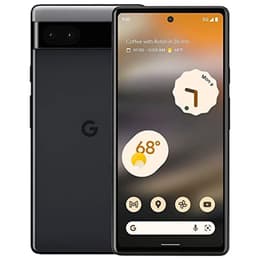
Google Pixel 6A
Google Pixel 6A
Starting at

Refurbished price:£107.00

Versus £459.00 new

See options

Ratings

The Samsung Galaxy A14, released in early 2023, and the Google Pixel 6a, launched in mid-2022, are both Android smartphones designed to offer a balanced experience. While the Galaxy A14 focuses on a large display and extensive battery life, the Pixel 6a emphasizes advanced computational photography and a streamlined software experience. Both devices run on the Android operating system, but they offer distinct approaches to hardware and software integration.

Scores

Durability

When considering the long-term usability of these devices, their release timelines and software support policies are key factors. The Galaxy A14 was released in early 2023, while the Pixel 6a arrived in mid-2022, giving the Pixel 6a a slightly earlier launch date.

  • Software Longevity: The Google Pixel 6a is expected to receive five years of OS and security updates, with OS updates until at least July 2025 and security updates until at least July 2027. The Samsung Galaxy A14, on the other hand, was promised two major Android OS updates (up to Android 15) and four years of security updates, extending its security support until 2027.
  • Repairability: Both devices demonstrate a commendable focus on repairability. The Galaxy A14 received a high repairability score of 8 out of 10, partly due to its easy-to-replace battery with a pull tab. The Pixel 6a also scored well with a 7 out of 10, noted for being easier to repair than its Pixel 6 counterparts, particularly concerning battery access.
  • Practical Lifespan: Users can expect both phones to remain functional and secure for several years, with the Pixel 6a potentially offering a longer period of major OS upgrades, while both provide extended security updates.

Year of Release

2023

2022

Compatible with latest Update

No

Yes

OS

Android

Android

Foldable

No

No

Performance

The performance of a smartphone is crucial for daily tasks, and these two devices offer different experiences in this regard.

  • Processor Capabilities: The Google Pixel 6a is equipped with a processor known for its efficiency and capability to handle demanding applications and multitasking smoothly, providing a responsive user experience. The Samsung Galaxy A14 features a processor that delivers solid everyday performance for general use, though some users have noted occasional lags or stutters when performing more resource-intensive tasks or switching between multiple applications.
  • Storage and Multitasking: The Pixel 6a comes with 6 GB of RAM and 128 GB of internal storage, which is not expandable. The Galaxy A14 offers configurations with 4, 6, or 8 GB of RAM and 64 or 128 GB of internal storage, with the added flexibility of expandable storage via a microSD card.
  • Battery Behavior: The Galaxy A14 houses a larger 5000 mAh battery, often providing extended usage of up to two days with moderate use. The Pixel 6a has a 4410 mAh battery, which generally lasts a full day for most users, though heavy usage might require a mid-day top-up.

Memory (GB)

4 GB

6 GB

Screen quality

The visual experience is a significant aspect of smartphone use, and the displays on these two phones cater to different preferences.

  • Display Technology and Clarity: The Google Pixel 6a features a 6.1-inch OLED display, which is known for producing deep blacks, high contrast, and vibrant colors, offering a rich viewing experience. The Samsung Galaxy A14 comes with a larger 6.6-inch PLS LCD display, providing clear visuals suitable for general media consumption.
  • Resolution and Brightness: Both devices offer a Full HD+ resolution (1080p), ensuring sharp images and text. The Pixel 6a's OLED panel generally provides better outdoor visibility and color accuracy.
  • Refresh Rate: A notable difference is the refresh rate; the Galaxy A14 (5G model) offers a 90Hz refresh rate for smoother scrolling and animations, while the Pixel 6a maintains a standard 60Hz refresh rate.

Resolution

1080 x 2408

1080 x 2400

Screen type

PLS LCD

OLED

Audiovisual

For many users, the camera system is a primary consideration, and these phones approach photography with distinct strengths.

  • Camera System Capabilities: The Google Pixel 6a features a dual-camera setup with a 12.2 MP main sensor (with optical image stabilization) and a 12 MP ultrawide lens. The Samsung Galaxy A14 includes a triple-camera system, typically with a 50 MP main sensor, a 5 MP ultrawide, and two 2 MP sensors for macro and depth.
  • Photography Performance: The Pixel 6a is highly regarded for its computational photography, delivering consistent and high-quality images, particularly in various lighting conditions, despite using an older sensor. The Galaxy A14's main camera performs well in bright daylight, capturing good detail and colors, but it may struggle more in low-light environments.
  • Video Recording and Audio: The Pixel 6a supports video recording up to 4K at 60 frames per second on its rear cameras, while the Galaxy A14 records at a maximum of 1080p at 30 frames per second. Both devices offer adequate microphone quality for calls and recording, and their single loudspeakers provide clear audio for media consumption.

Main camera

50 megapixels

12.2 megapixels

Front camera

13 megapixels

8 megapixels

Miscellaneous

Beyond the core features, several practical elements contribute to the overall user experience of these smartphones.

  • Connectivity and Ports: Both phones support 5G connectivity, Wi-Fi, and Bluetooth. The Galaxy A14 includes a 3.5mm headphone jack and a USB Type-C 2.0 port. The Pixel 6a uses a USB Type-C port but omits the traditional headphone jack.
  • Biometric Security: The Pixel 6a features an under-display fingerprint sensor for secure unlocking. The Galaxy A14 integrates its fingerprint sensor into the power button on the side of the device.
  • Design and Handling: The Pixel 6a has a more compact design with a 6.1-inch screen, a recycled aluminum frame, and an IP67 rating for dust and water resistance. The Galaxy A14 is larger with a 6.6-inch screen, a plastic build, and does not carry an official IP rating.

Weight

201 g

250 g

Screen size (in)

6.6

6.1

Mobile network

4G

5G

SIM card

Dual Physical SIM

Physical SIM + eSIM

Carrier compatibility

Unlocked

Unlocked

The Samsung Galaxy A14 and Google Pixel 6a cater to different user priorities, each excelling in specific areas. Users often praise the Pixel 6a for its exceptional camera performance, driven by Google's advanced software processing, and its clean, bloatware-free Android experience. Its compact size and premium feel are also frequently highlighted. However, some users express disappointment with its 60Hz display and occasionally inconsistent battery life.

The Galaxy A14 is generally lauded for its impressive battery life, often lasting well over a day, and its large display, which is suitable for media consumption. Its expandable storage option is also a significant advantage for those who need more space. Criticisms sometimes point to its performance, which can feel less fluid during demanding tasks, and its camera's limitations in low-light conditions.

Users prioritizing a superior camera experience, a compact form factor, and a pure Android interface will find the Google Pixel 6a well-suited to their needs. Conversely, individuals who value extended battery life, a larger screen for content viewing, and expandable storage may lean towards the Samsung Galaxy A14. Both devices offer compelling features, and choosing between them depends on which aspects align best with individual usage patterns. For those seeking a more sustainable choice, both models are available as quality-assured refurbished options.

See all articles

Our recent comparisons