Compare models

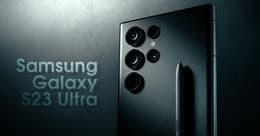
Galaxy S22 Ultra 5G Vs iPhone Air

  • 1-year minimum warranty
  • Free delivery on all items
  • Free 30-day returns
Galaxy S22 Ultra 5G
Starting at

Refurbished price:£259.00

Versus £1,149.00 new

See options
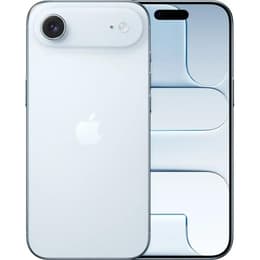
iPhone Air
Starting at

Refurbished price:£604.00

Versus £1,099.00 new

See options

Differences at a glance

The Samsung Galaxy S22 Ultra 5G (2022) and the Apple iPhone Air (2025) represent two distinct approaches to large-screen mobile computing, contrasting a feature-rich productivity powerhouse with an ultra-slim, lightweight philosophy. While the Galaxy S22 Ultra runs on the Android operating system with an integrated stylus, the iPhone Air utilizes iOS within a strikingly thin profile. These devices cater to different user preferences regarding physical build, ecosystem, and everyday toolsets.

Available Models

Colour

Storage

Scores

Durability

When comparing longevity and durability, both devices offer robust build quality but differ significantly in their release timelines and support windows.

  • Release Timeline and Age: The Galaxy S22 Ultra launched earlier in 2022, whereas the iPhone Air arrived in late 2025, giving the Apple device a newer hardware baseline.
  • Software Support: The iPhone Air benefits from a more extended future software support window due to its recent release, while the Galaxy S22 Ultra relies on its established update cycle.
  • Physical Resilience: Both models feature high-grade glass protection and water resistance ratings, though the iPhone Air utilizes a titanium frame construction compared to the aluminum build of the Samsung device.

Year of Release

2022

2025

Compatible with latest Update

Yes

Yes

OS

Android

iOS

Foldable

No

No

Performance

System performance and efficiency handle multitasking and demanding workloads through different hardware configurations on each platform.

  • Multitasking and Responsiveness: Both smartphones handle heavy applications, content streaming, and rapid app switching smoothly, though the iPhone Air benefits from a more recent processor generation.
  • Battery Behavior: The Galaxy S22 Ultra houses a larger physical battery capacity suited for extended use, whereas the iPhone Air relies on power-efficient hardware management to maintain everyday stamina within its slim chassis.
  • Storage Configurations: Both devices offer ample internal storage tiers starting from generous capacities to accommodate large media libraries and documents without external expansion cards.

Screen quality

Display characteristics on both handsets deliver bright, crisp viewing experiences tailored for media consumption and daily navigation.

  • Display Technology: Both models use advanced OLED display panels that produce deep blacks, vibrant contrast, and high peak brightness levels for outdoor readability.
  • Refresh Rate and Fluidity: High refresh rate support ensures smooth scrolling through web pages, documents, and user interface animations on both screens.
  • Viewing Area: The Galaxy S22 Ultra features a slightly larger 6.8-inch curved display canvas with an integrated stylus slot, while the iPhone Air provides a flat 6.5-inch panel within a narrower body.

Resolution

1440 x 3088

2736x1260

Screen type

Dynamic AMOLED 2X

Super Retina XDR

Audiovisual

Photography and audio-visual capabilities reflect contrasting design priorities between a multi-lens zoom system and a streamlined single-lens approach.

  • Camera System: The Galaxy S22 Ultra employs a versatile quad-lens array featuring multiple optical zoom levels and a high-resolution main sensor, whereas the iPhone Air uses a single high-resolution main lens system.
  • Video and Low Light: Both devices capture detailed 4K video and handle dim lighting conditions effectively through automated software stabilization and image processing.
  • Audio Output: Media playback and speaker clarity differ based on internal acoustic space, with the larger Samsung chassis supporting robust stereo output compared to the focused speaker setup on the ultra-thin iPhone.

Main camera

108 megapixels

48 megapixels

Front camera

40 megapixels

18 megapixels

Miscellaneous

Practical daily usability elements, connectivity standards, and physical handling characteristics shape the overall user experience.

  • Physical Dimensions: The iPhone Air prioritizes an extremely thin and lightweight profile for effortless pocketability, while the Galaxy S22 Ultra is heavier and broader to accommodate its internal stylus and larger battery.
  • Connectivity and Ports: Both models support modern fifth-generation cellular networks and fast Wi-Fi standards, utilizing a reversible USB port format for wired charging and data transfer.
  • Security Sensors: The Galaxy S22 Ultra provides an in-display ultrasonic fingerprint scanner alongside facial recognition, while the iPhone Air relies exclusively on advanced facial mapping technology.

Weight

167 g

165 g

Screen size (in)

6.8

6.5

Mobile network

5G

5G

SIM card

Dual Physical SIM + eSIM

eSIM

Carrier compatibility

Unlocked

Unlocked

Connector

USB-C

USB-C

What the community thinks

User community discussions and feedback indicate that real-world satisfaction often depends on specific daily habits. Owners of the Galaxy S22 Ultra frequently praise its versatile zoom capabilities, integrated stylus utility, and expansive canvas for note-taking. Conversely, iPhone Air users highlight the remarkable comfort of its lightweight build and smooth daily operation. Common criticisms for the Samsung device center on its substantial physical weight and bulk, while iPhone Air users occasionally note the limitations of a single-lens camera setup and moderate battery endurance under heavy workloads.

Users prioritizing productivity tools, flexible camera zoom, and a traditional stylus will find the Galaxy S22 Ultra well-suited to their workflow. Meanwhile, users prioritizing a lightweight pocket profile, modern software features, and ecosystem integration may lean toward the iPhone Air. For those exploring sustainable hardware choices, a quality-assured refurbished option provides an eco-friendly alternative that extends device lifecycles while maintaining high functional standards. Selecting either model ultimately depends on balancing physical form factor preferences against specific daily feature requirements.