Galaxy S24 FE Vs iPhone SE (2022)

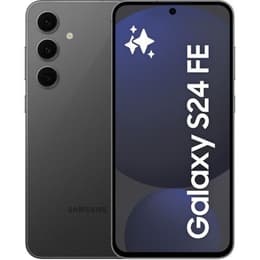
Galaxy S24 FE
Galaxy S24 FE
Starting at

Refurbished price:£250.00

Versus £741.91 new

See options
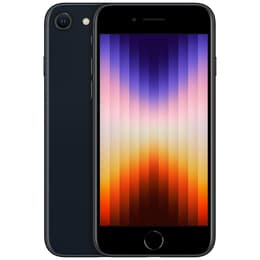
iPhone SE (2022)
iPhone SE (2022)
Starting at

Refurbished price:£102.00

Versus £429.00 new

See options

Ratings

The Samsung Galaxy S24 FE and the iPhone SE (2022) are two distinct smartphone offerings, each catering to different user preferences and ecosystems. The Galaxy S24 FE, released in October 2024, operates on Android, while the iPhone SE (2022), launched in March 2022, runs on iOS. These devices primarily differ in their display technology, camera systems, and overall design philosophy, offering users a choice between a larger, feature-rich Android experience and a compact, performance-focused iOS device.

Scores

Durability

When considering the long-term usability of these devices, their release timelines and software support policies are key factors.

  • Release and Updates: The Galaxy S24 FE, released in late 2024, benefits from Samsung's commitment to providing seven generations of Android OS upgrades and seven years of security updates, extending its software longevity significantly. [3, 22, 35] In contrast, the iPhone SE (2022), released in early 2022 and discontinued in February 2025, typically receives iOS updates for about five to six years from its launch, meaning its software support window will close sooner than the S24 FE's. [9, 14]
  • Repairability: The Galaxy S24 FE has a repairability score of 8.5 out of 10, indicating a design that facilitates easier battery replacement and access to internal components, though screen replacement can be more involved. [7, 10, 11] The iPhone SE (2022) received a score of 5.5 out of 10, with screen removal being a delicate process and some parts not being interchangeable with previous SE models. [8, 12, 23]
  • Practical Lifespan: Users can expect the Galaxy S24 FE to remain current with software features and security patches for an extended period, potentially making it a more future-proof option in terms of software. The iPhone SE (2022) offers a robust experience for its supported lifespan, but its update cycle is naturally shorter due to its earlier release and discontinuation.

Year of Release

2024

2022

Compatible with latest Update

Yes

Yes

OS

Android

iOS

Foldable

No

No

Performance

Both devices offer capable performance, though they approach it from different operating system perspectives.

  • Processing Power: The Galaxy S24 FE is equipped with a current-generation processor designed to handle demanding applications and multitasking smoothly. [19] User experiences suggest it performs close to flagship-level for daily tasks and app opening times. [19] The iPhone SE (2022) features a powerful processor, the same one found in the iPhone 13 series, which provides robust performance for any app or game and ensures responsiveness for several years. [14, 29, 34]
  • Multitasking and Responsiveness: The Galaxy S24 FE, with its 8GB of RAM, is well-suited for managing multiple applications simultaneously without significant slowdowns. [2, 4] The iPhone SE (2022), while having 4GB of RAM, is optimized by its operating system to deliver a fluid user experience, handling multitasking effectively within the iOS environment. [14, 37]
  • Battery Behavior: The Galaxy S24 FE includes a 4700 mAh battery, which typically provides a full day of use for moderate users, with around 5.5 to 6 hours of screen-on time under mixed usage conditions. [19, 21, 32] The iPhone SE (2022) has a 2018 mAh battery, which for moderate use can last a full day, but heavy usage may require more frequent charging. [27, 31, 36]

Memory (GB)

8 GB

4 GB

Screen quality

The visual experience on these two smartphones presents a clear contrast in display technology and design.

  • Display Technology and Size: The Galaxy S24 FE features a larger 6.7-inch Dynamic AMOLED 2X display, offering deep blacks, vibrant colors, and a high contrast ratio. [4, 15, 16] The iPhone SE (2022) utilizes a more compact 4.7-inch Retina IPS LCD display, known for its color accuracy and wide viewing angles. [6, 47]
  • Resolution and Brightness: The Galaxy S24 FE provides a Full HD+ resolution of 1080x2340 pixels, resulting in a sharp image. It also boasts a peak brightness of 1900 nits, making it highly visible even in bright outdoor conditions. [4, 13, 17, 20] The iPhone SE (2022) has a resolution of 750x1334 pixels and a typical brightness of 625 nits, which is suitable for most indoor and outdoor viewing, though less bright than the S24 FE. [6, 47]
  • Refresh Rate: The Galaxy S24 FE offers a 120Hz refresh rate, which contributes to smoother scrolling and more fluid animations. [4, 15, 16] The iPhone SE (2022) has a standard 60Hz refresh rate, which is consistent for everyday use but does not offer the same level of visual smoothness as higher refresh rate displays. [6, 34]

Resolution

1080 x 2340

750 x 1334

Screen type

Dynamic AMOLED 2X

Retina IPS LCD

Audiovisual

The camera capabilities of these devices reflect different approaches to mobile photography.

  • Rear Camera System: The Galaxy S24 FE features a versatile triple-camera setup on the rear, including a 50-megapixel main sensor with optical image stabilization (OIS), a 12-megapixel ultrawide lens, and an 8-megapixel telephoto lens with 3x optical zoom and OIS. [4, 16, 17, 28] This configuration allows for a range of photographic options, from expansive landscapes to detailed zoomed-in shots. The iPhone SE (2022) has a single 12-megapixel rear camera with an f/1.8 aperture and OIS, focusing on delivering consistent quality for everyday photos. [6, 18]
  • Photography Performance: The Galaxy S24 FE is noted for capturing good low-light images, vibrant colors, and ample detail in well-lit environments, with its image processing providing a distinct Samsung color science. [17, 46] The iPhone SE (2022) excels in daylight photography, producing clear and detailed images, but it lacks a dedicated night mode and the versatility of multiple lenses. [36]
  • Video Recording and Front Camera: The Galaxy S24 FE supports video recording up to 8K at 30 frames per second and features a 10-megapixel front camera. [28, 43] The iPhone SE (2022) can record 4K video at up to 60 frames per second and includes a 7-megapixel front camera. [18, 36]

Main camera

50 megapixels

12 megapixels

Front camera

10 megapixels

7 megapixels

Miscellaneous

Beyond core features, several practical elements differentiate these two smartphones.

  • Connectivity: Both devices support 5G connectivity, enabling faster mobile data speeds. The Galaxy S24 FE includes Bluetooth v5.30, while the iPhone SE (2022) also offers modern Bluetooth standards. [5, 14]
  • Physical Design and Handling: The Galaxy S24 FE is a larger device, measuring 162.00 x 77.30 x 8.00mm and weighing 213.00 grams, offering a more expansive screen experience. [5] The iPhone SE (2022) is significantly more compact and lighter at 138.40 x 67.30 x 7.30mm and 144.00 grams, making it easier for one-handed use and pocketability. [6, 9]
  • Security and Durability: The Galaxy S24 FE features an in-display optical fingerprint sensor and an IP68 rating for dust and water resistance. [5, 13] The iPhone SE (2022) uses Touch ID, an integrated fingerprint sensor in its home button, and has an IP67 rating for dust and water resistance. [6, 47] Both devices incorporate durable glass on their front and back. [5, 9]

Weight

213 g

144 g

Width

7.7 cm

6 cm

Height

16.2 cm

13 cm

Depth

0.8 cm

0,73 cm

Screen size (in)

6.7

4.7

Mobile network

5G

5G

SIM card

Dual Physical SIM

Physical SIM + eSIM

Carrier compatibility

Unlocked

Unlocked

Connector

USB-C

Lightning

The Samsung Galaxy S24 FE and the iPhone SE (2022) cater to different user priorities, each with its own set of strengths. Users often praise the Galaxy S24 FE for its large, vibrant display, versatile camera system, and extended software support, making it a compelling option for those who value a modern Android experience with a focus on multimedia and longevity. [19, 20, 33] Some users note that it can get warm during intensive gaming sessions. [19]

The iPhone SE (2022) is frequently lauded for its powerful performance, compact form factor, and seamless integration within the Apple ecosystem. [29, 34, 37] Its smaller screen, single camera, and battery life for heavy users are common points of discussion among users. [34, 36, 41]

Users prioritizing a large, high-refresh-rate display, a multi-lens camera system for varied photography, and a longer software update commitment may find the Galaxy S24 FE well-suited to their needs. Conversely, users who prefer a compact device, the iOS operating system, and robust processing power for everyday tasks and gaming, without needing the latest camera features or a large screen, may lean toward the iPhone SE (2022).

For those considering either device, exploring quality-assured refurbished options can provide an eco-friendly alternative to new purchases, offering a sustainable choice without compromising on functionality.

See all articles

Our recent comparisons