Samsung
Compare models
Differences at a glance
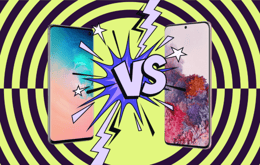
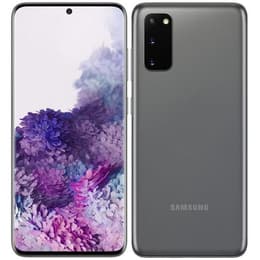
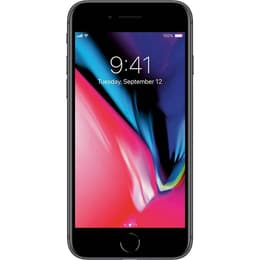
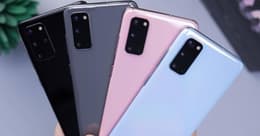
The Samsung Galaxy S20 5G (2020) and the Apple iPhone 8 (2017) represent two distinct generations of smartphone technology, each catering to different user preferences and functional requirements. While the Galaxy S20 5G offers a modern, expansive display and high-speed mobile connectivity, the iPhone 8 provides a more traditional, compact experience with a physical home button. These devices operate on the Android and iOS platforms respectively, offering unique software ecosystems that influence how users interact with their apps and services. Understanding the practical differences between these two models is essential for anyone looking to choose a device that fits their daily lifestyle and long-term needs.
Colour
Storage
The three-year age gap between these two smartphones significantly influences their expected lifespan and the level of software support they currently receive from their manufacturers.
Year of Release
Compatible with latest Update
OS
Foldable
When comparing how these devices handle daily tasks, the difference in internal hardware becomes apparent through system responsiveness and the ability to manage multiple applications simultaneously.
The visual experience is one of the most striking differences between these two smartphones, affecting everything from reading text to watching movies or playing games.
Resolution
Screen type
Photography and media consumption are central to the modern smartphone experience, and these two devices offer very different capabilities in these areas.
Main camera
Front camera
Beyond the core specifications, several practical design choices and connectivity features define the daily user experience for both the Galaxy S20 5G and the iPhone 8.
Weight
Screen size (in)
Mobile network
SIM card
Carrier compatibility
Connector
Based on discussions across various technology forums and user communities, the iPhone 8 is frequently praised for its enduring simplicity, compact size, and the familiarity of its physical home button. Many long-term users appreciate its straightforward interface, though there is a general consensus that its battery life and single camera are becoming less competitive for modern needs. On the other hand, the Galaxy S20 5G receives significant praise for its stunning display and the future-proofing provided by 5G connectivity, although some users have noted that the device can consume battery quickly when using its most advanced screen settings.
Users who prioritise a small, lightweight phone for basic tasks like calling, messaging, and light social media use may find the iPhone 8 to be a perfectly suitable companion. Conversely, those who frequently watch videos, play games, or require the fastest possible mobile data speeds for work or travel will likely find the Galaxy S20 5G much better aligned with their requirements. Choosing a quality-assured refurbished option for either of these models is an eco-friendly alternative that helps reduce electronic waste while providing a reliable device. Ultimately, the choice depends on whether you value the classic, compact design of the iPhone or the expansive, feature-rich experience of the Galaxy.