Samsung
Compare models
Differences at a glance
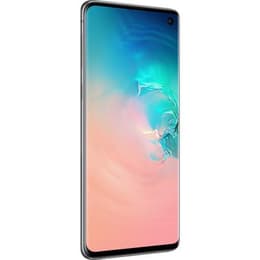
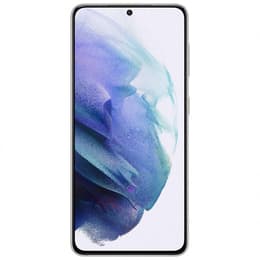
The Samsung Galaxy S10, released in 2019, and the Galaxy S21 5G, launched in 2021, represent two distinct eras of Samsung’s flagship smartphone development. While the Galaxy S10 was a milestone for its high-resolution display and versatile hardware features, the Galaxy S21 5G focuses on modern connectivity and smoother visual performance. Both devices run on the Android operating system, though they differ significantly in their software version compatibility and long-term support. Choosing between them involves weighing the benefits of classic hardware features against the advantages of contemporary processing power and network speeds.
Colour
Storage (GB)
The two-year gap between these models significantly impacts their expected lifespan and software relevance in the current mobile landscape.
Year of Release
Compatible with latest Update
OS
Foldable
Daily tasks and demanding applications reveal a clear distinction in how these devices handle modern software requirements and power management.
While both devices utilise high-quality display technology, they prioritise different aspects of the visual experience, from sharpness to motion smoothness.
Resolution
Screen type
The camera systems on both devices are designed for versatility, but the newer hardware in the S21 5G offers specific advantages for zoom and video.
Main camera
Front camera
Practical hardware differences, such as connectivity and physical ports, play a major role in how these devices fit into a user's existing ecosystem.
Weight
Screen size (in)
Mobile network
SIM card
Carrier compatibility
Connector
User consensus from various tech communities highlights that the Galaxy S10 is still remembered fondly for its versatile approach to hardware, particularly the inclusion of the headphone jack and expandable storage. Many users appreciate its compact feel and high-resolution screen. However, common criticisms of the S10 today focus on its declining battery health and the lack of modern software updates. On the other hand, the Galaxy S21 5G receives praise for its smooth 120Hz display and its reliable 5G connectivity, which users find essential for modern commuting and travel. Some users do express disappointment over the removal of the microSD slot and the shift to a plastic-based back material.
Users who prioritise legacy features like wired audio and expandable storage, or those who prefer a very high-resolution display in a compact form, will find the Galaxy S10 to be a practical choice. Conversely, users who require a device that will remain secure and updated for several years, or those who value smooth screen animations and fast mobile data, will be better served by the Galaxy S21 5G. Opting for a sustainable choice like a refurbished model allows users to access these technologies while reducing electronic waste. Ultimately, the decision rests on whether you value the versatile hardware of the past or the refined speed and longevity of the present.