
Galaxy S10 Vs iPhone 13 Pro Max

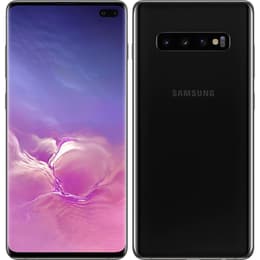
Galaxy S10
Galaxy S10
Starting at

Refurbished price:£108.00

Versus £639.00 new

See options
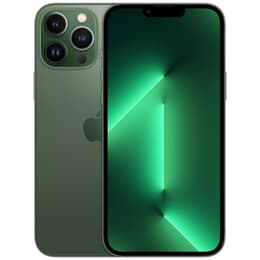
iPhone 13 Pro Max
iPhone 13 Pro Max
Starting at

Refurbished price:£272.00

Versus £1,259.00 new

See options

Ratings

The Samsung Galaxy S10, released in March 2019, and the Apple iPhone 13 Pro Max, launched in September 2021, represent different generations and operating systems within the smartphone landscape. While the Galaxy S10 runs on Android, offering a customizable experience, the iPhone 13 Pro Max operates on Apple's iOS, known for its integrated ecosystem. Key differentiators include their release timelines, display technologies, and camera capabilities, reflecting advancements over a two-and-a-half-year period.

Scores

Durability

The age difference between these two devices significantly impacts their expected software support and overall practical lifespan.

  • Release Timeline: The Galaxy S10 was released in March 2019, making it an older device compared to the iPhone 13 Pro Max, which launched in September 2021. This age gap means the iPhone 13 Pro Max benefits from a longer period of ongoing software and security updates.
  • OS Support Duration: The Galaxy S10 received major Android OS upgrades up to Android 12, with security updates ending around March 2024 for most models. In contrast, the iPhone 13 Pro Max, released with iOS 15, is expected to receive iOS updates for approximately 5-6 years from its release, potentially until 2026 or 2027, and possibly longer for security patches. This extended support means the iPhone 13 Pro Max will remain current with new features and security enhancements for a longer duration.
  • Repairability: The Galaxy S10 received a low repairability score of 3 out of 10 from iFixit, citing extensive use of adhesive and difficulty in replacing components like the battery and soldered charging port. The iPhone 13 Pro Max received a score of 5 out of 10, indicating some modular components but also challenges with certain repairs, such as display and battery replacements.

Year of Release

2019

2021

Compatible with latest Update

No

Yes

OS

Android

iOS

Foldable

No

No

Performance

Performance varies between these two smartphones, influenced by their respective processors and system optimizations, impacting how smoothly they handle daily tasks and demanding applications.

  • Processor Capabilities: The iPhone 13 Pro Max features a more recent-generation processor, which provides a notable advantage in raw processing power and graphical performance. This translates to faster app loading, smoother transitions, and more efficient handling of intensive tasks like video editing or advanced mobile gaming. The Galaxy S10, while a flagship in its time, uses an older processor that still handles everyday applications competently but may show limitations with newer, more demanding software.
  • System Responsiveness: Users transitioning from an S10 to an iPhone 13 Pro Max often report a significant improvement in overall system fluidity and responsiveness, partly due to the newer hardware and the iPhone's optimized software. The Galaxy S10, despite its age, was noted for consistent performance and smooth operation within its software environment.
  • Battery Behavior: The iPhone 13 Pro Max is recognized for its exceptional battery life, often lasting up to two days for many users, even with heavy usage. The Galaxy S10's battery, while capable of lasting a full day for moderate users, may require more frequent charging for heavy use, especially when relying on cellular data.

Memory (GB)

8 GB

6 GB

Screen quality

Both devices offer high-quality displays, but there are distinct differences in their technology and features that affect the visual experience.

  • Display Technology and Clarity: The Galaxy S10 features a 6.1-inch Dynamic AMOLED display with a resolution of 3040 x 1440 pixels, providing sharp images and vibrant colors. The iPhone 13 Pro Max boasts a larger 6.7-inch Super Retina XDR OLED display with a resolution of 2778 x 1284 pixels, also known for its deep blacks and vibrant color reproduction.
  • Refresh Rate: A significant difference is the refresh rate. The iPhone 13 Pro Max includes ProMotion technology, offering an adaptive refresh rate up to 120Hz, which results in smoother scrolling and more fluid animations. The Galaxy S10 has a standard 60Hz refresh rate.
  • Brightness and Viewing Experience: The iPhone 13 Pro Max offers higher peak brightness levels, which can improve visibility in bright outdoor conditions and enhance HDR content viewing. Both displays provide an immersive viewing experience, though the larger screen of the iPhone 13 Pro Max offers more screen real estate.

Resolution

1440 x 3040

1284 x 2778

Screen type

Dynamic AMOLED

Super Retina XDR OLED

Audiovisual

The camera systems on these smartphones reflect advancements in mobile photography over their respective release periods, offering different strengths for capturing images and videos.

  • Camera System Capabilities: The Galaxy S10 features a versatile triple-camera setup with a 12MP wide, 12MP telephoto (2x optical zoom), and 16MP ultrawide lens. The iPhone 13 Pro Max also has a triple 12MP camera system, including wide, ultrawide, and telephoto lenses, but with a 3x optical zoom and a LiDAR scanner for improved depth sensing.
  • Photography Performance: The iPhone 13 Pro Max is praised for its consistent photo quality, particularly in challenging lighting conditions, and introduces features like Cinematic Mode for video and improved macro photography. The Galaxy S10 was known for delivering excellent photos in good lighting and its ultrawide lens was a notable addition at its release.
  • Video Recording Quality: The iPhone 13 Pro Max offers advanced video recording capabilities, including ProRes video and HDR video with Dolby Vision, providing professional-grade options. The Galaxy S10 also offers capable video recording for its generation.

Main camera

12 megapixels

12 megapixels

Front camera

10 megapixels

12 megapixels

Miscellaneous

Beyond core features, several practical elements differentiate these two devices, influencing daily usability and connectivity.

  • Connectivity Options: The iPhone 13 Pro Max supports 5G connectivity, offering faster cellular data speeds where available, along with Wi-Fi 6. The Galaxy S10 primarily supports 4G LTE, though a 5G variant was also released, and includes Wi-Fi 6.
  • Port Types: The Galaxy S10 retains a 3.5mm headphone jack and uses a USB-C port for charging and data transfer, offering expandable storage via microSD. The iPhone 13 Pro Max uses Apple's proprietary Lightning port and does not feature a headphone jack or expandable storage.
  • Biometric Security: The Galaxy S10 features an ultrasonic in-display fingerprint sensor and face recognition. The iPhone 13 Pro Max relies on Face ID for secure authentication.
  • Physical Characteristics: The iPhone 13 Pro Max is a larger and heavier device, weighing 240g with dimensions of 160.8 x 78.1 x 7.65 mm. The Galaxy S10 is more compact and lighter at 157g, with dimensions of 149.9 x 70.4 x 7.8 mm. Both devices feature IP68 water and dust resistance.

Weight

175 g

238 g

Screen size (in)

6.1

6.7

Mobile network

4G

5G

SIM card

Physical SIM

Physical SIM + eSIM

Carrier compatibility

Unlocked

Unlocked

Connector

USB-C + Jack 3.5mm

Lightning

The Samsung Galaxy S10 and iPhone 13 Pro Max cater to different user priorities, largely due to their generational gap and distinct operating systems. Users often praise the iPhone 13 Pro Max for its exceptional battery life, robust camera system, and the fluidity of its 120Hz ProMotion display. Its long-term software support is also a frequently cited advantage. Some users, however, find its size and weight to be substantial, and the reliance on the Lightning port can be a point of contention for those accustomed to USB-C.

The Galaxy S10, despite being an older model, is still appreciated for its compact design, the inclusion of a 3.5mm headphone jack, and expandable storage. Its Dynamic AMOLED display was highly regarded at its release, and its camera system remains capable for everyday photography. Criticisms often revolve around its shorter software update lifespan compared to newer devices and its battery life, which, while adequate for many, doesn't match the endurance of more recent flagships.

Users prioritizing extended software support, cutting-edge performance, and advanced camera features, especially for video and low-light photography, may find the iPhone 13 Pro Max better suited to their needs. Conversely, individuals who value a more compact form factor, the flexibility of Android, a traditional headphone jack, and expandable storage might lean towards the Galaxy S10. Both devices, particularly the iPhone 13 Pro Max, are available as quality-assured refurbished options, providing an eco-friendly alternative for consumers.
See all articles

Our recent comparisons