

iPhones
Compare models
Differences at a glance
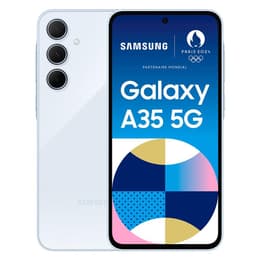
The Samsung Galaxy A35, released in March 2024, and the iPhone 17, launched in late 2025, represent distinct offerings within the smartphone market. The Galaxy A35 operates on the Android platform, providing a feature-rich experience, while the iPhone 17 runs on Apple's iOS, known for its integrated ecosystem. This comparison will explore the practical differences between these two devices, focusing on aspects that influence daily usage and long-term satisfaction.
Colour
Storage
The longevity of a smartphone is influenced by its physical resilience and the duration of software support it receives. Both devices offer robust build quality and commitment to updates, though their timelines differ.
Year of Release
Compatible with latest Update
OS
Foldable
Performance in a smartphone translates directly to how smoothly applications run, how quickly tasks are completed, and the overall responsiveness of the user interface. Both devices are engineered to deliver capable performance within their respective ecosystems.
The display is a primary interface for smartphone interaction, and both devices offer vibrant and clear viewing experiences, though with differing technologies and characteristics.
Resolution
Screen type
Camera capabilities are a significant factor for many users, and both the Galaxy A35 and iPhone 17 offer advanced systems for capturing photos and videos, each with its own strengths.
Main camera
Front camera
Beyond core performance and display, several practical elements contribute to the overall user experience, from connectivity to physical design.
Weight
Screen size (in)
Mobile network
SIM card
Carrier compatibility
Connector
The Samsung Galaxy A35 and iPhone 17 cater to different user preferences and priorities. The Galaxy A35 is often praised by users for its vibrant Super AMOLED display, reliable battery life, and consistent software update policy, making it a strong contender for those seeking a capable Android device for everyday use. Some users note that its low-light photography could be improved, and its charging speed is not the fastest available.
The iPhone 17, building on Apple's legacy, is expected to be lauded for its powerful performance, advanced camera system, and the seamless integration of its iOS ecosystem. Users typically appreciate the long-term software support and the premium feel of Apple devices. Potential considerations for some users might include its reliance on Face ID as the sole biometric option and the absence of expandable storage.
Users who prioritize an expansive, high-refresh-rate display, long battery life, and the flexibility of the Android ecosystem with expandable storage may find the Galaxy A35 well-suited to their needs. Conversely, individuals who value cutting-edge processing power, advanced computational photography, a highly integrated software experience, and extended software longevity will likely lean towards the iPhone 17. Both devices offer compelling features, and choosing between them often comes down to a preference for operating system, specific camera capabilities, and overall ecosystem integration. For those considering an eco-friendly alternative, quality-assured refurbished options for both models can provide a sustainable choice.