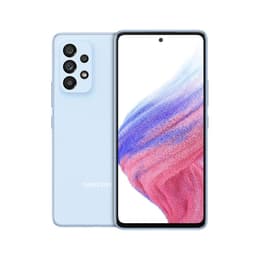
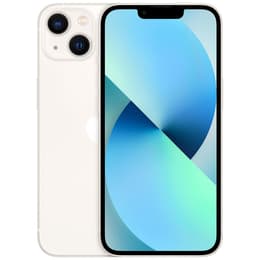

Galaxy A53 5G Vs iPhone 13

Galaxy A53 5G
Galaxy A53 5G
Starting at

Refurbished price:£109.00

Versus £459.00 new

See options
iPhone 13
iPhone 13
Starting at

Refurbished price:£205.00

Versus £599.00 new

See options

Ratings

The Samsung Galaxy A53 5G (2022) and the Apple iPhone 13 (2021) represent two distinct philosophies in the smartphone market. While the Galaxy A53 5G is a feature-rich device focused on providing a large, fluid display and versatile camera options within the Android ecosystem, the iPhone 13 offers a more compact, high-performance experience powered by iOS. Both devices remain popular choices for users who want modern connectivity and reliable daily performance without needing the absolute latest release.

Choosing between these two often comes down to a preference for operating systems and whether you prioritise a larger screen for media consumption or a more pocketable design with high-end processing power. This comparison explores the practical differences in durability, performance, and display technology to help you decide which device best aligns with your specific needs and lifestyle.

Scores

Durability

Both smartphones are built to provide several years of reliable service, though they differ in their software support timelines and physical construction materials.

  • Software Support: The iPhone 13 typically benefits from Apple's long-term update cycle, with expected iOS support extending for approximately six to seven years from its launch, potentially reaching 2027 or 2028. The Galaxy A53 5G was released with a commitment to four major Android OS updates, meaning its primary software lifecycle is expected to conclude around 2026, followed by an additional year of security patches.
  • Build Materials: The iPhone 13 features a glass and aluminium frame with a Ceramic Shield front, which is designed to offer high resistance to drops and scratches. In contrast, the Galaxy A53 5G utilises a reinforced plastic body that is lighter and less prone to shattering than glass, though it may show surface wear more easily over time.
  • Repairability: Both devices have established repair networks, but the Galaxy A53 5G is often noted for having a slightly more straightforward internal layout for common fixes like screen or battery replacements. Both carry high water and dust resistance ratings, ensuring they can withstand accidental splashes or brief immersion.

Year of Release

2022

2021

Compatible with latest Update

Yes

Yes

OS

Android

iOS

Foldable

No

No

Performance

Performance on these devices is tailored to different usage patterns, with one focusing on raw power and the other on efficiency for everyday multitasking.

  • System Responsiveness: The iPhone 13 is equipped with a high-performance processor that handles demanding tasks, such as high-end gaming and 4K video editing, with exceptional smoothness. The Galaxy A53 5G uses a mid-range processor that is well-suited for standard daily activities like social media, web browsing, and streaming, though users may notice slight pauses when switching between many heavy applications.
  • Battery Endurance: The Galaxy A53 5G houses a large battery capacity designed to comfortably last through a full day of heavy use, making it a strong choice for those who are frequently away from a charger. The iPhone 13 has a physically smaller battery but uses highly efficient software management to achieve similar all-day performance for moderate users.
  • Storage and Memory: The Galaxy A53 5G offers the advantage of expandable storage via a microSD card slot, allowing users to easily add more space for photos and files. The iPhone 13 comes with fixed internal storage options, meaning users must decide on their capacity needs at the time of purchase as it cannot be upgraded later.

Memory (GB)

4 GB

4 GB

Screen quality

The viewing experience is one of the most significant differentiators between these two models, particularly regarding screen size and motion smoothness.

  • Display Fluidity: The Galaxy A53 5G features a high refresh rate of 120Hz, which makes scrolling through menus and social media feeds appear very fluid and responsive. The iPhone 13 uses a standard 60Hz refresh rate, which provides a stable and clear image but lacks the same level of visual smoothness during fast-moving on-screen transitions.
  • Screen Technology: Both devices utilise advanced OLED technology, ensuring vibrant colours and deep blacks for an immersive viewing experience. The Galaxy A53 5G offers a larger 6.5-inch display that is ideal for watching videos, while the iPhone 13 features a 6.1-inch screen that provides higher pixel density for slightly sharper text and images.
  • Outdoor Visibility: Both screens are designed to reach high brightness levels, making them easy to read even in direct sunlight. The iPhone 13 is particularly noted for its colour accuracy, while the Galaxy A53 5G offers various colour profiles that allow users to adjust the display to be more vibrant or more natural based on personal preference.

Resolution

1080 x 2400

1170 x 2532

Screen type

Super AMOLED

Super Retina XDR OLED

Audiovisual

While both phones capture high-quality images, they excel in different areas of photography and video recording.

  • Camera Versatility: The Galaxy A53 5G features a quad-camera system, including a high-resolution main sensor and a dedicated macro lens for close-up photography. This provides more flexibility for users who enjoy experimenting with different types of shots. The iPhone 13 uses a dual-camera setup that focuses on consistency and natural colour reproduction across all lighting conditions.
  • Video Quality: The iPhone 13 is widely regarded for its superior video recording capabilities, offering advanced stabilisation and a cinematic mode that creates a shallow depth-of-field effect. The Galaxy A53 5G captures clear 4K video that is more than adequate for social media and personal memories, though it may lack the professional-grade polish found on the iPhone.
  • Low-Light Performance: Both devices include dedicated night modes that help brighten dark scenes. The iPhone 13 tends to produce images with less noise and more detail in very dark environments, while the Galaxy A53 5G performs admirably in well-lit evening settings but may struggle slightly more as light levels drop significantly.

Main camera

64 megapixels

12 megapixels

Front camera

32 megapixels

12 megapixels

Miscellaneous

Practical features such as connectivity, security methods, and physical handling play a major role in the daily user experience.

  • Biometrics and Security: The iPhone 13 relies on facial recognition technology for secure unlocking, which is fast and integrates seamlessly with many apps. The Galaxy A53 5G uses a fingerprint sensor built directly into the display, offering a familiar and convenient alternative for those who prefer physical touch authentication.
  • Connectivity and Ports: Both smartphones support 5G for fast mobile data speeds and are compatible with modern Wi-Fi standards. The Galaxy A53 5G uses the widely standard USB-C port for charging and data transfer, while the iPhone 13 uses a proprietary port, which may require specific cables if you are coming from an Android ecosystem.
  • Dimensions and Weight: The iPhone 13 is lighter and more compact, making it easier to use with one hand and more comfortable in smaller pockets. The Galaxy A53 5G is larger and slightly heavier, providing a more substantial feel that some users prefer for gaming and long-form reading.

Weight

189 g

173 g

Screen size (in)

6.5

6.1

Mobile network

5G

5G

SIM card

Dual Physical SIM

Physical SIM + eSIM

Carrier compatibility

Unlocked

Unlocked

In summary, the choice between the Galaxy A53 5G and the iPhone 13 depends largely on your priorities as a user. Consensus from community forums and user reviews highlights the iPhone 13 for its exceptional processing speed, consistent camera performance, and the long-term reliability of the iOS ecosystem. However, some users note that the 60Hz screen can feel less modern compared to newer high-refresh-rate displays. On the other hand, the Galaxy A53 5G is frequently praised for its expansive, smooth 120Hz display and its versatile storage options, though some find its mid-range processor can occasionally feel less snappy during intensive multitasking.

Users who prioritise a compact design, high-quality video recording, and a longer window of software updates will likely find the iPhone 13 to be the better fit for their needs. Conversely, those who prefer a larger screen for streaming, the flexibility of expandable storage, and a very fluid scrolling experience may lean toward the Galaxy A53 5G. Both devices represent a sustainable choice when purchased as a quality-assured refurbished option, allowing you to access reliable technology while reducing environmental impact. Ultimately, both smartphones offer a robust experience, and choosing an eco-friendly alternative ensures you get a high-performing device that supports a more circular economy.

See all articles

Our recent comparisons