Compare models
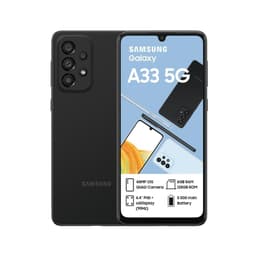
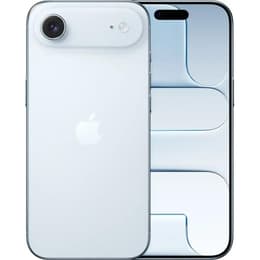
Galaxy A33 5G Vs iPhone Air
- 1-year minimum warranty
- Free delivery on all items
- Free 30-day returns
Differences at a glance
The Samsung Galaxy A33 5G (2022) and the Apple iPhone Air (2025) represent distinct approaches to smartphone design, target audiences, and platform ecosystems. While the Galaxy A33 5G is a practical mid-range Android device focused on everyday utility, the iPhone Air is a modern, ultra-slim iOS flagship emphasizing a lightweight titanium profile and high-end processing capability. Choosing between them involves balancing operating system preferences, form factor priorities, and long-term hardware capabilities.
Available Models
Colour
Storage (GB)
Scores
Durability
Both smartphones provide robust build qualities and long-term viability, though they occupy different generations and software ecosystems. Evaluating their update lifecycles and physical resilience helps determine how well each device holds up over years of daily usage.
- Software Lifespan: The iPhone Air benefits from a more recent release year and extensive platform support, ensuring years of continuous security updates. The Galaxy A33 5G also receives regular security patches and platform upgrades from Samsung, supporting long-term usability for everyday tasks.
- Build Resilience: The iPhone Air utilizes a reinforced titanium frame and durable front glass protection, whereas the Galaxy A33 5G features a plastic frame with reliable dust and water resistance ratings. Both models handle everyday environmental exposure well, though users seeking a quality-assured refurbished option can find reliable longevity across both product lines.
- Repairability: Both manufacturers provide structured repair networks, making component replacements straightforward when required. Professional servicing helps maintain expected practical lifespans across both platforms.
Year of Release
2022
2025
Performance
Daily responsiveness and operational efficiency differ notably due to the contrasting hardware generations inside each device. Understanding how storage tiers, memory capacity, and processing power affect multitasking ensures smooth performance for different workflows.
- Everyday Speed: The iPhone Air handles demanding apps, heavy multitasking, and complex gaming effortlessly thanks to its advanced current-generation processor. The Galaxy A33 5G manages standard daily routines, web browsing, and social media smoothly, though heavy gaming may require more loading time.
- Memory and Storage: The iPhone Air comes with ample RAM configurations and fast internal storage options, maintaining background apps seamlessly. The Galaxy A33 5G offers multiple storage tiers alongside expandable storage via a microSD slot, suiting users who prefer local media storage.
- Power Management: The Galaxy A33 5G features a large battery capacity that easily sustains a full day of mixed use. The iPhone Air balances its ultra-thin profile with efficient energy management, though heavy users may need a midday recharge depending on usage patterns.
Screen quality
Display technology shapes the primary visual experience, influencing media consumption, outdoor legibility, and scrolling smoothness. Both devices utilize advanced panel types that deliver clear, vibrant imagery.
- Display Technology: The Galaxy A33 5G features a vibrant Super AMOLED display with deep contrast levels and rich colors. The iPhone Air incorporates an advanced OLED panel offering exceptional clarity, sharp text rendering, and high pixel density.
- Refresh Rate and Motion: The Galaxy A33 5G supports a 90 Hz refresh rate for fluid scrolling through menus and web pages. The iPhone Air steps up to a dynamic 120 Hz refresh rate, delivering smoother animations and rapid response times during touch interactions.
- Outdoor Legibility: Both screens reach high peak brightness levels, allowing content to remain visible under direct sunlight. Screen sizes are comparable, offering comfortable viewing areas for reading, streaming, and navigation.
Audiovisual
Multimedia capabilities vary between the single-lens setup of the ultra-slim Apple device and the multi-lens configuration of the Samsung mid-ranger. Evaluating photography and audio output clarifies how each device handles creative tasks.
- Camera Systems: The Galaxy A33 5G utilizes a versatile quad-camera array featuring a main sensor, ultra-wide lens, macro lens, and depth sensor for varied shooting scenarios. The iPhone Air focuses on a streamlined single high-resolution main camera paired with advanced image processing software for crisp everyday photography.
- Video and Audio: The iPhone Air excels in steady video recording with high dynamic range and detailed audio capture. The Galaxy A33 5G supports clear video resolution suitable for casual sharing and video calls.
- Media Consumption: Stereo speaker output on both devices delivers clear sound for podcasts and video clips, though neither includes a traditional headphone jack, encouraging the use of wireless audio accessories.
Miscellaneous
Physical dimensions, connectivity standards, and daily ergonomics dictate how comfortable each device feels during regular handling and travel. Practical features streamline connectivity across modern networks.
- Design and Portability: The iPhone Air stands out with an exceptionally thin profile and lightweight titanium build that rests lightly in the hand. The Galaxy A33 5G is slightly thicker and heavier, accommodating a larger battery within its frame.
- Connectivity Options: Both smartphones support fast 5G mobile networks, modern Wi-Fi standards, and Bluetooth for pairing accessories. Location tracking is precise across multiple satellite navigation systems.
- Security and Ports: The Galaxy A33 5G relies on an in-display fingerprint sensor for quick biometric unlocking, while the iPhone Air utilizes advanced facial recognition. Both models charge via standard USB-C connection ports.
Screen size (in)
6.4
6.5
Mobile network
5G
5G
SIM card
Dual Physical SIM
eSIM
Carrier compatibility
Unlocked
Unlocked
What the community thinks
Users evaluating the Samsung Galaxy A33 5G and the iPhone Air will find two very different smartphone philosophies. Public sentiment on community forums highlights the Galaxy A33 5G for its reliable battery longevity, expandable storage flexibility, and balanced everyday performance at a modest tier. Conversely, users frequently praise the iPhone Air for its groundbreaking lightweight chassis, high-end processing speed, and fluid display technology, though some note that its ultra-thin design results in a smaller physical battery capacity compared to bulkier alternatives.
Users prioritizing an ultra-slim, premium physical profile and top-tier processing power may prefer the iPhone Air, while users who value expandable storage, long battery endurance, and an Android environment will find the Galaxy A33 5G well-suited to their needs. Exploring a quality-assured refurbished option on Back Market provides an eco-friendly, sustainable choice for acquiring either device without compromising on performance or reliability.