Compare models
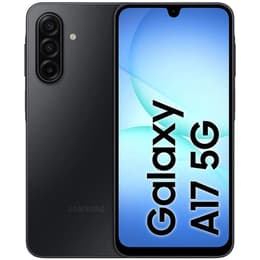
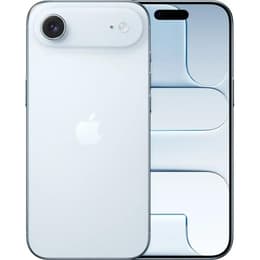
Galaxy A17 Vs iPhone Air
- 1-year minimum warranty
- Free delivery on all items
- Free 30-day returns
Differences at a glance
The Samsung Galaxy A17 and the Apple iPhone Air represent two distinct approaches to modern smartphone design following their respective releases in 2025. While the Galaxy A17 focuses on delivering everyday reliability and long-term utility in a familiar form factor, the iPhone Air emphasizes a breakthrough ultra-slim profile and advanced component architecture. Operating on Android and iOS respectively, these devices cater to entirely different user preferences regarding daily handling and software ecosystems.
Available Models
Colour
Storage
Scores
Durability
When evaluating structural longevity and software support, both devices offer robust frameworks designed to endure years of daily use, though their update timelines reflect different manufacturer commitments.
- Software Support Duration: The Galaxy A17 benefits from an extended multi-year update policy providing major operating system upgrades, whereas the iPhone Air delivers long-term software lifecycle updates matching Apple's standard tier.
- Repairability and Build: Both smartphones feature modern protective glass materials and structured frames, with repair accessibility aligning with current industry standards for modern mobile hardware.
- Expected Practical Lifespan: Both models maintain sufficient component headroom to remain functional and responsive for years of routine daily operations.
Year of Release
2025
2025
OS
Android
iOS
Foldable
No
No
Performance
Under everyday conditions, both devices manage multitasking, application switching, and media streaming smoothly, though they utilize different hardware foundations.
- System Responsiveness: Daily tasks, web browsing, and common applications open promptly and run fluidly on both platforms without noticeable stutter.
- Multitasking and Memory: Generous memory configurations allow multiple background applications to remain active simultaneously without frequent reloading.
- Battery Behavior: The Galaxy A17 incorporates a high-capacity cell suited for extended daily usage, while the iPhone Air relies on advanced power efficiency to maximize its ultra-slim battery footprint.
Screen quality
Visual output differs in panel dimensions and refresh dynamics, though both displays deliver sharp clarity for media consumption and text readability.
- Display Technology: The Galaxy A17 features a vibrant Super AMOLED panel with deep contrast levels, while the iPhone Air utilizes an advanced OLED screen with high peak brightness capabilities.
- Refresh Rates: Both devices support elevated refresh rates, ensuring smooth scrolling through web pages and fluid user interface animations.
- Outdoor Visibility: High maximum brightness levels on both screens allow for clear legibility under bright ambient lighting conditions.
Resolution
1080x2340
2736x1260
Audiovisual
Photography and audio capabilities vary according to hardware layout, accommodating casual snapshots and media recording differently.
- Camera Configurations: The Galaxy A17 employs a versatile multi-lens rear setup for varied framing options, whereas the iPhone Air streamlines photography through a single high-resolution primary lens system.
- Low-Light Performance: Image processing software on both models helps capture balanced details and accurate colors in challenging lighting environments.
- Media and Audio Output: Built-in speaker systems provide clear audio for hands-free calling and casual video playback.
Front camera
13MP
18 megapixels
Miscellaneous
Physical dimensions and connectivity standards define how each device integrates into travel and daily routines.
- Handling and Portability: The iPhone Air stands out with an exceptionally thin and lightweight titanium profile, whereas the Galaxy A17 offers a slightly heavier, traditional build structure.
- Connectivity and Ports: Both models support modern fifth-generation cellular networks and fast wireless standards, utilizing standard connector ports for wired charging.
- Security Sensors: Biometric authentication methods provide secure and rapid device unlocking tailored to each operating system.
Weight
192 g
165 g
Screen size (in)
6.7
6.5
Mobile network
5G
5G
SIM card
Dual Physical SIM
eSIM
Carrier compatibility
Unlocked
Unlocked
Connector
USB-C
USB-C
What the community thinks
User feedback from online communities highlights distinct preferences for each device. Owners of the Galaxy A17 frequently praise its dependable battery endurance, expansive screen estate, and long-term software commitment. Conversely, users favor the iPhone Air for its striking ultra-slim profile, featherlight weight in the hand, and smooth display responsiveness. Common discussions occasionally note that the ultra-slim design of the Apple model leaves less room for physical battery scaling, while the Samsung model operates within a simpler processing tier.
Users prioritizing a featherlight, ultra-thin form factor with advanced visual specs may prefer the iPhone Air, while users seeking a larger traditional display and long-term utility in an eco-friendly, quality-assured refurbished option may lean toward the Galaxy A17. Evaluating these distinct physical and software characteristics will help determine which device aligns best with your daily requirements.