
Compare models
Galaxy A15 Vs iPhone SE (2020)
- 1-year minimum warranty
- Free delivery on all items
- Free 30-day returns
Differences at a glance
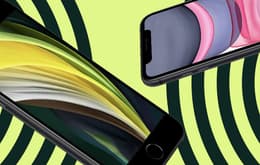
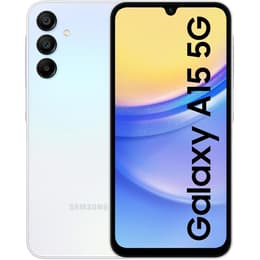
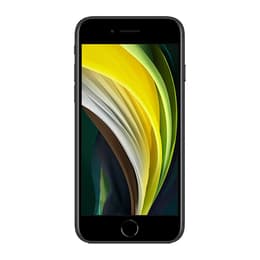
The Samsung Galaxy A15 (2024) and the iPhone SE 2020 (2020) represent two distinct eras and philosophies in the smartphone market. While the Galaxy A15 is a modern, large-format device built for the current demands of media consumption and battery longevity, the iPhone SE 2020 remains a classic, compact choice for those who prefer the iOS ecosystem and a traditional physical interface.
These smartphones differ significantly in their physical footprint, display technology, and expected software support timelines. The Galaxy A15 runs on the Android operating system with a focus on modern features, whereas the iPhone SE 2020 provides the familiar Apple software experience in a legacy design that prioritises portability over screen real estate.
Available Models
Colour
Storage (GB)
Scores
Durability
The age gap between these two devices plays a significant role in their expected lifespan and ongoing software compatibility in 2026.
- Software Support: The Galaxy A15, being a 2024 release, is currently in the middle of its support cycle, with scheduled security updates and operating system upgrades expected to continue for several more years. The iPhone SE 2020, however, is now six years old and is likely approaching the final stages of its official software support from the manufacturer.
- Physical Build and Repair: The iPhone SE features a glass and aluminium construction that offers a solid feel, whereas the Galaxy A15 uses a reinforced plastic frame that is resilient against minor impacts. Both devices are widely supported by repair services, making it straightforward to find assistance for common issues.
- Long-term Reliability: Users can expect the Galaxy A15 to remain compatible with new apps for a longer period due to its more recent hardware architecture and updated software foundation, ensuring it stays functional for several years to come.
Year of Release
2023
2020
Compatible with latest Update
Yes
Yes
OS
Android
iOS
Foldable
No
No
Performance
Daily performance on these devices is shaped by their different approaches to battery management and multitasking capabilities.
- Battery Life and Charging: The Galaxy A15 is equipped with a high-capacity battery that easily supports a full day of intensive use, such as streaming video or navigating with GPS. In contrast, the iPhone SE 2020 has a much smaller battery capacity, which users find often necessitates a midday charge.
- System Responsiveness: For standard tasks like web browsing, emailing, and social media, both phones provide a responsive experience. However, the Galaxy A15's larger memory allows it to keep more apps open in the background without needing to refresh them as frequently.
- Storage Flexibility: The Galaxy A15 typically offers the advantage of expandable storage via a memory card slot, providing a simple way to increase space for high-resolution photos and videos, a feature that is not available on the iPhone SE.
Screen quality
The visual experience is where these two devices diverge most sharply, catering to very different preferences for size and clarity.
- Display Technology and Contrast: The Galaxy A15 features a Super AMOLED display, which delivers deep blacks and vibrant colours that make movies and photos appear more immersive. The iPhone SE 2020 uses a traditional LCD screen that provides natural colour reproduction and good clarity.
- Refresh Rate and Fluidity: With a 90Hz refresh rate, the Galaxy A15 offers smoother scrolling and more fluid animations when navigating through menus or social media feeds. The iPhone SE 2020 operates at a standard 60Hz rate, which remains functional but lacks the extra smoothness found on more modern displays.
- Screen Real Estate: The 6.5-inch screen of the Galaxy A15 provides a much larger canvas for reading and viewing content compared to the 4.7-inch display of the iPhone SE, which offers a much more compact viewing experience.
Resolution
1080 x 2340
750 x 1334
Screen type
Super AMOLED
Retina IPS LCD
Audiovisual
Camera performance and media playback reflect the hardware priorities of their respective release years.
- Camera Versatility: The Galaxy A15 boasts a triple-camera system, including a dedicated ultra-wide lens that is ideal for capturing expansive landscapes or group photos. The iPhone SE 2020 relies on a single rear camera which, while capable of taking high-quality daylight photos, lacks the flexibility to zoom out or take detailed close-up macro shots.
- Video and Audio Quality: The iPhone SE is well-regarded for its stable video recording and clear audio capture during calls. The Galaxy A15 provides a reliable video experience and features a loud speaker system that is well-suited for watching videos without headphones.
- Low-Light Performance: In darker environments, the Galaxy A15's modern sensors help to pull in more light for clearer images, while the iPhone SE 2020 may produce more grain or noise in similar conditions.
Main camera
50 megapixels
12 megapixels
Front camera
13 megapixels
7 megapixels
Miscellaneous
Practical considerations such as physical handling and connectivity standards often define the long-term satisfaction with a device.
- Connectivity and Ports: The Galaxy A15 includes a modern USB-C port for charging and data transfer, along with a 3.5mm headphone jack for those who prefer wired audio. The iPhone SE 2020 uses the proprietary Lightning connector and does not have a dedicated headphone port.
- Biometrics and Handling: The iPhone SE features the classic Home button with an integrated fingerprint sensor, which is highly intuitive. The Galaxy A15 uses a side-mounted fingerprint sensor that is integrated into the power button, allowing for a quick and natural unlocking motion.
- Size and Weight: The iPhone SE is significantly smaller and lighter, making it one of the few truly one-handed smartphones available. The Galaxy A15 is larger and heavier, which makes it more substantial to hold but provides a much better experience for media consumption.
Weight
200 g
148 g
Screen size (in)
6.5
4.7
Mobile network
4G
4G
SIM card
Dual Physical SIM
Physical SIM + eSIM
Carrier compatibility
Unlocked
Unlocked
What the community thinks
Community discussions on platforms like Reddit highlight a clear divide in user satisfaction based on specific needs. The iPhone SE 2020 is frequently praised for its classic design and the ease of use provided by the iOS ecosystem, though the most common criticism is its limited battery life, which many users find challenging in a modern context. On the other hand, the Galaxy A15 receives positive feedback for its expansive, high-quality screen and its ability to last through a long day of use without needing a charge, though some users note its larger size can be cumbersome for those with smaller hands.
Users who prioritise a compact, lightweight device and are already invested in the Apple ecosystem will likely find the iPhone SE 2020 a familiar and reliable companion. However, users who value a large, vibrant display for media consumption and require a battery that can keep up with a busy schedule will find the Galaxy A15 to be a more suitable choice. Choosing a quality-assured refurbished option for either device is an eco-friendly alternative that supports a more circular economy. By opting for a sustainable choice, you can enjoy a fully functional smartphone while reducing your environmental impact. Both devices offer distinct advantages depending on whether you value the portability of the iPhone or the modern features of the Galaxy.