
Compare models

Google Pixel 10 Pro Vs OnePlus 13

  • 1-year minimum warranty
  • Free delivery on all items
  • Free 30-day returns
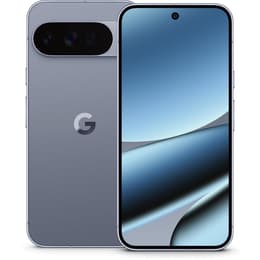
Google Pixel 10 Pro
Starting at

Refurbished price:£443.00

Versus £1,195.69 new

See options
OnePlus 13
Starting at

Refurbished price:£680.00

Versus £1,167.01 new

See options

Differences at a glance

The Google Pixel 10 Pro (2025) and the OnePlus 13 (2025) represent advanced choices in the modern smartphone landscape, each bringing distinct engineering philosophies to the premium segment. While both devices run on the Android operating system and offer high-end features, the Pixel 10 Pro emphasizes integrated software intelligence and photography tools, whereas the OnePlus 13 focuses on raw processing headroom, display real estate, and rapid energy replenishment.

Available Models

Colour

Storage

Scores

Durability

Both smartphones provide robust build quality and multi-year software longevity, though their long-term support frameworks and hardware durability characteristics differ slightly.

  • Software Support Window: Both manufacturers commit to extended software update schedules, ensuring security patches and operating system upgrades for multiple years from their release dates.
  • Repairability and Build: Both models utilize robust aluminum frames and reinforced glass fronts, while maintaining standard industry repairability profiles for component replacements.
  • Expected Lifespan: Current-generation internal hardware and generous random access memory allocations ensure both devices will maintain reliable performance across several years of daily use.

Year of Release

2025

2024

Compatible with latest Update

Yes

No

OS

Android

Android

Foldable

No

No

Performance

Handling daily apps, heavy multitasking, and demanding games smoothly, these devices use high-capacity storage configurations and modern internal processing architectures to maintain system fluidity.

  • Multitasking and App Loading: Generous memory configurations allow numerous applications to remain active in the background without requiring reloads, resulting in seamless switching during intensive workflows.
  • Thermal Efficiency: Both handsets manage sustained workloads effectively, preventing thermal throttling during extended gaming sessions or navigation tasks.
  • Battery Behavior: Battery capacities support a full day of typical usage under standard conditions, though charging speeds vary significantly between the wired and wireless replenishment systems offered by each brand.

Screen quality

Visual output is handled by advanced display panels designed for high clarity, accurate color reproduction, and smooth motion during media consumption.

  • Display Technology: Both models employ adaptive refresh rate technology that scales dynamically to balance motion smoothness with energy efficiency.
  • Outdoor Visibility: High peak brightness levels ensure the screens remain legible under direct sunlight or bright ambient lighting conditions.
  • Size and Form Factor: The Pixel 10 Pro features a compact form factor suited for one-handed use, while the OnePlus 13 offers a larger display canvas ideal for immersive viewing and productivity tasks.

Resolution

1280x2856

1440x3168

Screen type

LTPO OLED

LTPO 4.1 AMOLED

Audiovisual

Imaging capabilities on both devices feature versatile multi-lens rear arrays designed to capture clear details across various lighting conditions.

  • Photography Performance: Both primary sensors handle low-light environments effectively, utilizing image stabilization to reduce blur in challenging shots.
  • Video Recording: High-resolution video capture modes offer stable footage and clear audio recording through integrated multi-microphone arrays.
  • Media Consumption: Stereo speaker setups deliver clear sound output for casual video playback and hands-free calls.

Front camera

42 megapixels

16 megapixels

Miscellaneous

Practical day-to-day usability is shaped by connectivity standards, physical dimensions, and security authentication methods.

  • Connectivity and Ports: Both phones support modern fifth-generation cellular networks, rapid wireless standards, and reversible USB Type-C connectivity.
  • Security Sensors: Quick biometric authentication is provided via responsive in-display fingerprint sensors and secure facial recognition features.
  • Handling and Dimensions: The physical weight and dimensions reflect their respective screen sizes, influencing pocketability and hand fatigue over extended periods.

Weight

207 g

210 g

Screen size (in)

6.3

6.82

Mobile network

5G

5G

SIM card

Physical SIM + eSIM

Dual Physical SIM

Carrier compatibility

Unlocked

Unlocked

Connector

USB-C

USB-C

What the community thinks

User discussions and community feedback indicate that both devices excel in daily reliability, though each attracts distinct preferences based on user habits. Users prioritizing a compact form factor, integrated software intelligence, and advanced photo processing often lean toward the Google Pixel 10 Pro. Conversely, users who value a larger display canvas, rapid charging speeds, and extended battery endurance frequently prefer the OnePlus 13.

For consumers seeking an eco-friendly alternative, choosing a quality-assured refurbished option provides a sustainable way to access these high-end capabilities while reducing electronic waste. Evaluating personal priorities regarding physical size, software interface preferences, and charging routines will help determine which device aligns best with individual daily requirements.