
Galaxy A15 Vs iPhone 13 Pro

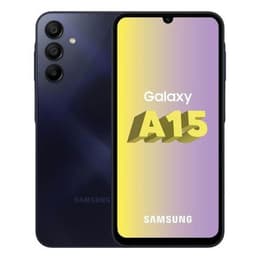
Galaxy A15
Galaxy A15
Starting at

Refurbished price:£88.00

Versus £169.00 new

See options
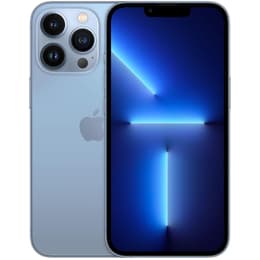
iPhone 13 Pro
iPhone 13 Pro
Starting at

Refurbished price:£232.00

Versus £949.00 new

See options

Ratings

The Samsung Galaxy A15, released in early 2024, and the Apple iPhone 13 Pro, launched in late 2021, represent two distinct approaches to the smartphone experience. While the Galaxy A15 is a contemporary entry-level device designed for modern essentials, the iPhone 13 Pro remains a high-performance flagship from a few years prior. These devices operate on different ecosystems—Android and iOS respectively—offering unique user interfaces and app stores. Choosing between them involves weighing the benefits of a newer, battery-focused device against a seasoned professional-grade handset with advanced photography capabilities.

Scores

Durability

The Galaxy A15 and iPhone 13 Pro offer different paths regarding software longevity and physical resilience based on their release timelines.

  • Software Support: The Galaxy A15 benefits from its recent 2024 release, with Samsung committing to four years of major operating system updates and five years of security patches, extending its functional life well into the late 2020s. The iPhone 13 Pro, while older, follows a tradition of long-term support, typically receiving updates for six to seven years from its 2021 launch, meaning both devices are likely to reach the end of their official software cycles around the same time.
  • Build Materials: The iPhone 13 Pro features a stainless steel frame and specialized glass designed for high resistance to scratches and impacts, whereas the Galaxy A15 uses a reinforced plastic construction that is lightweight and durable against drops but may show surface wear more easily over time.
  • Repairability: Both manufacturers have improved access to repair services, though the Galaxy A15's simpler internal design often makes screen and battery replacements more straightforward for independent technicians compared to the densely packed components of the iPhone 13 Pro.

Year of Release

2023

2021

Compatible with latest Update

Yes

Yes

OS

Android

iOS

Foldable

No

No

Performance

Performance levels vary significantly between these two models, reflecting their original positions as either an everyday essential or a power-user flagship.

  • System Responsiveness: The iPhone 13 Pro utilizes a high-performance processor that remains exceptionally fast, handling demanding tasks like high-definition video editing and intensive gaming with ease. In contrast, the Galaxy A15 is optimized for everyday reliability, providing a smooth experience for web browsing, social media, and standard productivity apps.
  • Multitasking and Memory: With its highly efficient memory management, the iPhone 13 Pro keeps multiple heavy applications open in the background without slowing down, while the Galaxy A15 offers various memory configurations that suit users who focus on one or two tasks at a time.
  • Battery Endurance: The Galaxy A15 prioritizes long-lasting power with a high-capacity battery that comfortably lasts through two days of moderate use, whereas the iPhone 13 Pro focuses on efficient power delivery to get through a full day of intensive professional work.

Memory (GB)

4 GB

6 GB

Screen quality

Both devices feature vibrant display technologies, though they differ in size and the smoothness of the visual experience for the user.

  • Display Technology: The Galaxy A15 uses a 6.5-inch Super AMOLED screen, providing deep blacks and rich colours that make it excellent for watching videos. The iPhone 13 Pro features a slightly smaller 6.1-inch display which offers higher peak brightness, making it easier to read under direct sunlight during outdoor use.
  • Motion Smoothness: The iPhone 13 Pro includes adaptive refresh rate technology that reaches up to 120Hz, resulting in fluid scrolling and animations. The Galaxy A15 offers a 90Hz refresh rate, which is smoother than standard screens and provides a responsive feel for an entry-level device.
  • Clarity and Detail: While both screens provide sharp images, the iPhone 13 Pro has a higher pixel density, resulting in finer detail when viewing high-resolution photographs or small text, whereas the Galaxy A15 provides a larger canvas for those who prefer more screen real estate.

Resolution

1080 x 2340

1170 x 2532

Screen type

Super AMOLED

Super Retina XDR OLED

Audiovisual

The camera systems represent a significant hardware difference, with one focusing on versatile basics and the other on professional-grade media creation.

  • Photography Versatility: The iPhone 13 Pro features a triple-lens system including a dedicated telephoto lens for optical zoom, allowing for clear close-ups from a distance. The Galaxy A15 utilizes a high-resolution main sensor that captures detailed images in daylight, supported by an ultra-wide lens for landscapes, though it lacks a dedicated zoom lens.
  • Video Capabilities: For users interested in filmmaking, the iPhone 13 Pro offers advanced features like cinematic mode for blurred backgrounds and professional-grade recording formats. The Galaxy A15 provides stable, clear video for casual social media sharing but lacks the advanced post-production features found on the flagship model.
  • Audio Experience: The iPhone 13 Pro is equipped with a robust stereo speaker system that provides an immersive soundstage for movies, while the Galaxy A15 includes a traditional headphone jack, a feature many users still find essential for using wired audio equipment without adapters.

Main camera

50 megapixels

12 megapixels

Front camera

13 megapixels

12 megapixels

Miscellaneous

Practical features like connectivity and security sensors define the daily handling experience and physical feel of these two smartphones.

  • Security and Access: The iPhone 13 Pro uses sophisticated facial recognition technology for secure unlocking and payments, which works well in various lighting conditions. The Galaxy A15 employs a reliable fingerprint sensor built into the power button, offering a tactile and quick way to access the device.
  • Physical Design: The Galaxy A15 is slightly larger and heavier due to its bigger screen and battery, which may appeal to those who like a substantial feel, while the iPhone 13 Pro is more compact and easier to use with one hand.
  • Connectivity and Ports: The iPhone 13 Pro uses the Lightning port for charging and data transfer, whereas the Galaxy A15 uses the more universal USB-C standard. Both devices support 5G connectivity, ensuring fast mobile data speeds for streaming and downloads in supported areas.

Weight

200 g

203 g

Screen size (in)

6.5

6.1

Mobile network

4G

5G

SIM card

Dual Physical SIM

Physical SIM + eSIM

Carrier compatibility

Unlocked

Unlocked

User consensus from various tech communities highlights the distinct strengths of each device. Owners of the Galaxy A15 frequently praise its exceptional battery life and the inclusion of the headphone jack, noting that it serves as a reliable daily companion for those who do not need cutting-edge power. Conversely, iPhone 13 Pro users often point to the device's enduring speed and the professional quality of its camera system as reasons for its continued relevance years after its initial release. Some users have noted that the Galaxy A15 can feel slower when loading very large apps, while some iPhone 13 Pro users mention that the battery may require more attention as the device ages.

For individuals who prioritize a large screen, modern battery endurance, and a more recent release date, the Galaxy A15 is a practical choice. Users who require high-end camera features, a more compact premium build, and the smoothest possible interface will likely find the iPhone 13 Pro better suited to their needs. Choosing a quality-assured refurbished option for either of these models is a sustainable choice that helps reduce electronic waste while providing a reliable mobile experience. Ultimately, the decision rests on whether you value the latest entry-level hardware or the lasting power of a former flagship.


See all articles

Our recent comparisons