
Galaxy A14 5G Vs iPhone 17

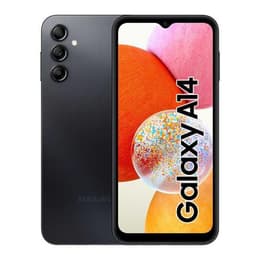
Galaxy A14 5G
Galaxy A14 5G
Starting at

Refurbished price:£80.00

Versus £289.00 new

See options
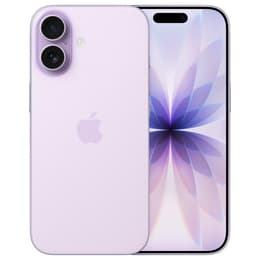
iPhone 17
iPhone 17
Starting at

Refurbished price:£676.00

Versus £799.00 new

See options

Ratings

The Samsung Galaxy A14 5G, released in January 2023, is an Android smartphone designed to offer essential features and 5G connectivity. In contrast, the iPhone 17, launched in September 2025, represents a more recent generation of Apple's flagship smartphone line, bringing advanced technology and the iOS ecosystem. These devices cater to different user needs, with the Galaxy A14 5G focusing on core functionalities and the iPhone 17 emphasizing high-end performance, display quality, and camera capabilities.

Scores

Durability

When considering the practical lifespan of these devices, several factors come into play, including their release timelines, software support, and physical construction.

  • Release Timeline and Software Support: The Galaxy A14 5G, released in early 2023, launched with Android 13 and is expected to receive two major OS updates, bringing it up to Android 15, along with four years of security updates, extending until 2027. The iPhone 17, released in September 2025, ships with iOS 26 and is anticipated to receive software support for approximately 5-6 years, a typical duration for Apple devices. This suggests the iPhone 17 will have a longer period of software relevance.
  • Physical Durability: The Galaxy A14 5G features a plastic body, which can offer a degree of resilience to minor impacts but may not convey a premium feel. The iPhone 17 incorporates a durable aerospace-grade aluminum frame, a Ceramic Shield 2 front, and a Ceramic Shield back, designed to offer enhanced resistance against scratches and drops.
  • Expected Practical Lifespan: Users prioritizing extended software longevity and robust physical construction may find the iPhone 17 to be a more suitable option for long-term use. The Galaxy A14 5G provides a respectable lifespan for its category, particularly for users who do not require the absolute latest software versions beyond its update cycle.

Year of Release

2023

2025

Compatible with latest Update

Yes

Yes

OS

Android

iOS

Foldable

No

No

Performance

The performance of a smartphone is crucial for daily operations, from app usage to multitasking and gaming. The Galaxy A14 5G and iPhone 17 offer distinct experiences in this regard.

  • Processor Capabilities: The Galaxy A14 5G is powered by an octa-core processor, such as the MediaTek Dimensity 700 or Exynos 1330, which provides solid performance for everyday tasks like web browsing, social media, and video streaming. However, some users have noted that it can exhibit lag or stuttering with more demanding applications or intensive gaming. The iPhone 17 features Apple's A19 chip, which includes a 6-core CPU and a 5-core GPU, designed to deliver significantly faster performance and greater power efficiency. This allows for smoother handling of complex apps, advanced gaming, and on-device AI features.
  • Memory and Storage: The Galaxy A14 5G is available with 4GB, 6GB, or 8GB of RAM and comes with 64GB or 128GB of internal storage, which can be expanded up to 1TB via a microSD card. This expandable storage is a practical benefit for users with large media libraries. The iPhone 17 offers 8GB of memory and starts with a base storage of 256GB, with a 512GB option also available, but it does not include a 128GB variant or expandable storage.
  • Overall System Responsiveness: For users engaging in casual smartphone use, the Galaxy A14 5G offers a functional experience. Those who frequently engage in heavy multitasking, graphic-intensive gaming, or professional applications will likely find the iPhone 17's processing power and system responsiveness to be more aligned with their needs.

Memory (GB)

4 GB

8 GB

Screen quality

The display is a primary interface for smartphone interaction, and both devices offer different visual experiences.

  • Display Technology and Resolution: The Galaxy A14 5G features a 6.6-inch PLS LCD display with a Full HD+ resolution of 1080 x 2408 pixels, resulting in a pixel density of approximately 400 ppi. This provides clear and vibrant visuals for general use. The iPhone 17 comes with a 6.3-inch Super Retina XDR OLED display, offering a higher resolution of 2622x1206 pixels at 460 ppi. OLED technology typically delivers deeper blacks and higher contrast compared to LCD panels.
  • Refresh Rate and Brightness: The Galaxy A14 5G has a 90Hz refresh rate, which contributes to smoother scrolling and a more fluid user experience compared to standard 60Hz displays. Its peak brightness is around 480 nits, which can make outdoor visibility challenging in direct sunlight. The iPhone 17 features ProMotion technology with an adaptive refresh rate up to 120Hz, providing an exceptionally smooth visual experience. It also boasts significantly higher brightness levels, with a typical maximum of 1000 nits, a peak of 1600 nits for HDR content, and an impressive 3000 nits for outdoor use, ensuring excellent visibility in various lighting conditions.
  • Additional Display Features: The iPhone 17 includes features like the Dynamic Island and an Always-On display, enhancing user interaction and information access. The Galaxy A14 5G offers a straightforward display experience without these advanced features.

Resolution

1080 x 2408

2622x1206

Screen type

PLS LCD

Super Retina XDR

Audiovisual

Camera capabilities are a significant consideration for many users, and these two smartphones approach photography and videography differently.

  • Rear Camera System: The Galaxy A14 5G is equipped with a triple rear camera setup, including a 50MP main sensor (f/1.8), a 2MP macro lens (f/2.4), and a 2MP depth sensor (f/2.4). The 50MP main camera performs well in good lighting conditions, capturing decent detail, but its performance diminishes in low-light environments and with fast-moving subjects. The macro and depth sensors are generally considered less impactful for overall image quality. The iPhone 17 features a 48MP Dual Fusion camera system, comprising a 48MP main lens (f/1.6) and a 48MP ultrawide lens (f/2.2). This system is designed for enhanced low-light performance and can also achieve 12MP optical-quality 2x telephoto shots using the main sensor.
  • Front Camera: For selfies and video calls, the Galaxy A14 5G has a 13MP front camera (f/2.0), which delivers solid results in well-lit conditions. The iPhone 17 features an 18MP Centre Stage front camera, which offers higher resolution and advanced features like Dual Capture, allowing simultaneous recording from front and rear cameras.
  • Video Recording: The Galaxy A14 5G supports video recording up to 1080p at 30 frames per second (fps). The iPhone 17 offers more advanced video capabilities, including 4K Dolby Vision video recording at up to 60fps, providing higher detail and dynamic range for video content.

Main camera

50 megapixels

48 megapixels

Front camera

13 megapixels

18 megapixels

Miscellaneous

Beyond core features, several practical elements differentiate these two smartphones, impacting daily convenience and user experience.

  • Connectivity: Both devices support 5G connectivity, enabling faster mobile data speeds. The Galaxy A14 5G includes Wi-Fi 5 (802.11 a/b/g/n/ac) and Bluetooth 5.2. The iPhone 17 features more advanced connectivity with Wi-Fi 7 (802.11be) and Bluetooth 6, offering potentially faster and more stable wireless connections.
  • Ports and Sensors: The Galaxy A14 5G retains a 3.5mm headphone jack, a feature appreciated by users who prefer wired audio accessories. It also uses a USB Type-C 2.0 port for charging and data transfer. For security, it incorporates a side-mounted fingerprint sensor. The iPhone 17 has transitioned to a USB-C port and relies on Face ID for biometric authentication, consistent with recent iPhone models.
  • Design and Handling: The Galaxy A14 5G measures 167.7 x 78 x 9.1 mm and weighs between 202-204g, featuring a larger form factor. The iPhone 17 is more compact and lighter, with dimensions of 149.6 mm × 71.5 mm × 7.95 mm and a weight of 177g. These differences impact one-handed use and pocketability.

Weight

201 g

177 g

Screen size (in)

6.6

6.3

Mobile network

5G

5G

SIM card

Dual Physical SIM

Physical SIM + eSIM

Carrier compatibility

Unlocked

Unlocked

Connector

USB-C + Jack 3.5mm

USB-C

The Samsung Galaxy A14 5G and iPhone 17 cater to distinct segments of the smartphone market, offering different strengths and user experiences. The Galaxy A14 5G is praised for its solid primary camera in good lighting, a sharp display with a 90Hz refresh rate, and a long-lasting 5,000mAh battery that can comfortably last a full day or even two with lighter use. Users appreciate its expandable storage via microSD and the inclusion of a 3.5mm headphone jack. Criticisms often point to its performance being adequate for everyday tasks but struggling with demanding applications, and its camera performance in low light is not as strong.

The iPhone 17, as a more recent flagship, is lauded for its powerful A19 chip, delivering fast and efficient performance for complex tasks and advanced gaming. Its Super Retina XDR OLED display with 120Hz ProMotion and high peak brightness offers a superior visual experience, especially outdoors. The advanced 48MP Dual Fusion camera system and 18MP front camera provide excellent photography and videography capabilities, including 4K Dolby Vision recording. User feedback often highlights the seamless integration within the Apple ecosystem and longer software support. Potential considerations for some users might include the absence of a headphone jack and expandable storage, which are common characteristics of premium smartphones.

Users prioritizing a device for essential communication, media consumption, and light productivity, who also value expandable storage and a traditional headphone jack, may find the Galaxy A14 5G to be a practical choice. Its robust battery life also makes it suitable for those needing reliable power throughout the day. Conversely, users who demand cutting-edge performance, a top-tier display, advanced camera features, and a longer period of software updates will likely find the iPhone 17 better suited to their needs. Both devices offer quality-assured refurbished options, providing an eco-friendly alternative for consumers looking to make informed and sustainable purchasing decisions.


See all articles

Our recent comparisons