iPhone 13 Pro Vs iPhone 14

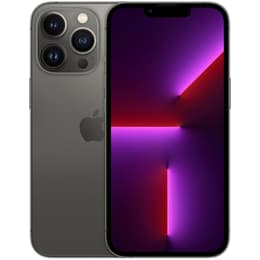
iPhone 13 Pro
iPhone 13 Pro
Starting at

£265.00

£949.00 new

See options
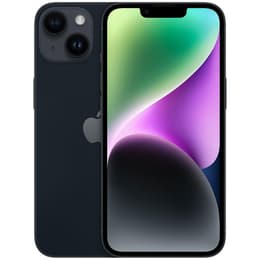
iPhone 14
iPhone 14
Starting at

£227.00

£599.00 new

See options

Ratings

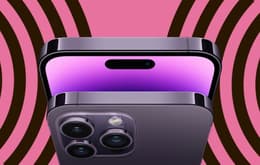
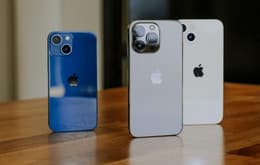
The iPhone 13 Pro, released in 2021, and the iPhone 14, launched in 2022, are both premium smartphones from Apple, running on the iOS operating system. While they share a similar design language and core functionality, the iPhone 13 Pro offers a more advanced display and a versatile camera system, whereas the iPhone 14 introduces enhanced safety features and updated internal camera processing.

Scores

Durability

When considering the practical lifespan, both devices offer robust support and build quality.

  • Release timeline: The iPhone 13 Pro, released in 2021, will receive iOS updates for a substantial period, typically 5-6 years from its launch. The iPhone 14, being a 2022 model, benefits from an additional year of software support, extending its practical longevity.
  • Build materials: Both models feature Apple's Ceramic Shield front cover for enhanced drop performance and IP68 water and dust resistance. The iPhone 13 Pro uses a stainless steel frame, offering a premium feel and increased rigidity, while the iPhone 14 employs an aerospace-grade aluminium frame, contributing to a lighter overall device.
  • Repairability: Both devices are designed with Apple's ecosystem in mind, meaning repairs are typically handled through authorized service providers. Their internal designs are generally comparable in terms of repair complexity.

Year of Release

2021

2022

Compatible with latest Update

Yes

Yes

OS

iOS

iOS

Foldable

No

No

Performance

Despite their different release years, both the iPhone 13 Pro and iPhone 14 deliver strong performance for everyday tasks and demanding applications.

  • Processor capabilities: Both devices are powered by the same current-generation processor, featuring a 5-core graphics processing unit. This ensures smooth operation across applications, efficient multitasking, and capable handling of graphics-intensive games.
  • System responsiveness: Users will experience fluid navigation and quick app loading times on both models. There is no significant real-world performance difference in general usage, as both chips are highly optimized for the iOS environment.
  • Storage and RAM: The iPhone 13 Pro was available with storage options up to 1TB, while the iPhone 14 offers up to 512GB. Both models come with 6GB of RAM, which is ample for managing multiple applications simultaneously without slowdowns.
  • Battery behavior: The iPhone 13 Pro generally offers slightly longer battery life for video playback and mixed usage compared to the iPhone 14, making it a strong contender for users who prioritize extended time away from a charger.

Memory

6 GB

6 GB

Screen quality

Both iPhones feature high-quality displays, but the iPhone 13 Pro offers a key advantage in smoothness.

  • Display technology: Both devices are equipped with a 6.1-inch Super Retina XDR OLED display, providing deep blacks, vibrant colors, and excellent contrast. This technology ensures a rich visual experience for photos, videos, and general content.
  • Refresh rate: A significant difference lies in the refresh rate. The iPhone 13 Pro features ProMotion technology, offering an adaptive refresh rate that can scale from 10Hz to 120Hz. This results in noticeably smoother scrolling, more fluid animations, and a more responsive feel, especially during gaming or fast-paced content. The iPhone 14 maintains a standard 60Hz refresh rate.
  • Brightness levels: The iPhone 13 Pro has a higher typical maximum brightness of 1000 nits, compared to the iPhone 14's 800 nits. Both can reach 1200 nits for HDR content, but the 13 Pro's higher typical brightness provides better visibility in bright outdoor conditions.

Resolution

1170 x 2532

1170 x 2532

Screen type

Super Retina XDR OLED

Super Retina XDR OLED

Audiovisual

Both models excel in photography and videography, but with different strengths and capabilities.

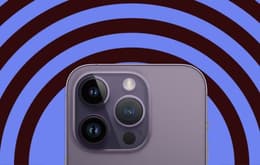
  • Camera system: The iPhone 13 Pro features a versatile triple-camera system, including a Wide, Ultra Wide, and a dedicated Telephoto lens, along with a LiDAR Scanner. This allows for 3x optical zoom in and macro photography. The iPhone 14 has a dual-camera system with an improved Wide and Ultra Wide lens.
  • Photography performance: Both deliver excellent image quality in good lighting. The iPhone 14 benefits from the Photonic Engine, which enhances mid-to-low light performance, capturing more detail and better color accuracy in challenging conditions. The 13 Pro's LiDAR Scanner aids in faster autofocus in low light and improved augmented reality experiences.
  • Video capabilities: Both support Cinematic mode for shallow depth-of-field video. The iPhone 13 Pro offers ProRes video recording for professional-grade editing. The iPhone 14 introduces Action mode, providing advanced video stabilization for capturing smooth footage during movement.
  • Audio experience: Both devices offer high-quality stereo speakers for media consumption and clear microphone performance for calls and video recording.

Main camera

12 megapixels

12 megapixels

Front camera

12 megapixels

12 megapixels

Miscellaneous

Beyond core features, several practical elements differentiate these two iPhone models.

  • Connectivity: Both support 5G cellular connectivity and Wi-Fi 6 for fast wireless internet. The iPhone 14 includes Bluetooth 5.3, a minor upgrade from the iPhone 13 Pro's Bluetooth 5.0, offering slightly improved efficiency and range.
  • Port types: Both devices utilize Apple's proprietary Lightning port for charging and data transfer. Neither includes a traditional 3.5mm headphone jack.
  • Security and safety features: Both rely on Face ID for secure authentication. The iPhone 14 introduces new safety features such as Crash Detection, which can automatically alert emergency services after a severe car crash, and Emergency SOS via Satellite (initially available in select regions), allowing users to contact emergency services outside of cellular and Wi-Fi coverage.
  • Physical characteristics: The iPhone 13 Pro is slightly heavier at 204 grams due to its stainless steel frame and larger battery, while the iPhone 14 is lighter at 172 grams with its aluminium frame. Both maintain a 6.1-inch display size, offering a comfortable one-handed grip for most users.

Weight

203 g

172 g

Screen size (in)

6.1

6.1

Network

5G

5G

SIM card

Physical SIM + eSIM

Physical SIM + eSIM

Carrier compatibility

Unlocked

Unlocked

Connector

Lightning

Lightning

User feedback often highlights the iPhone 13 Pro's ProMotion display and its comprehensive camera system, including the telephoto lens and macro capabilities, as significant advantages. Its premium stainless steel build and slightly longer battery life are also frequently praised. Some users note its increased weight compared to non-Pro models.

The iPhone 14 is often commended for its lighter design, the introduction of new safety features like Crash Detection, and its improved low-light photography thanks to the Photonic Engine. However, some users express disappointment that it retains a 60Hz display and lacks a dedicated telephoto lens, features present in the 13 Pro.

Users prioritizing a smoother display experience, a more versatile camera system with optical zoom and macro capabilities, and a premium build will find the iPhone 13 Pro to be an excellent choice. Its slightly longer battery life also appeals to those needing extended usage. Conversely, users who prefer a lighter device, value the latest safety innovations, and appreciate enhanced low-light photography without needing a telephoto lens may lean towards the iPhone 14. Its newer release also provides a marginal advantage in terms of software support longevity.

Both models, when considered as quality-assured refurbished options, offer an eco-friendly way to access advanced smartphone technology, allowing consumers to make informed and sustainable choices.
See all articles

Our recent comparisons