iPhones
Compare models
Differences at a glance
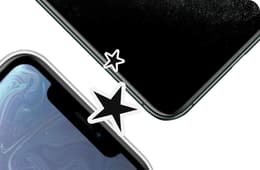
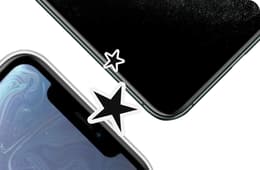
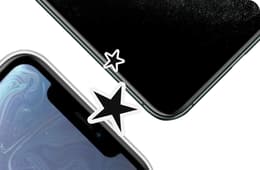
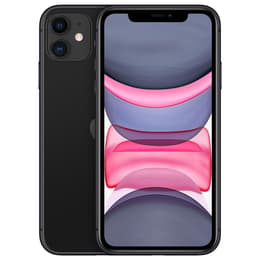
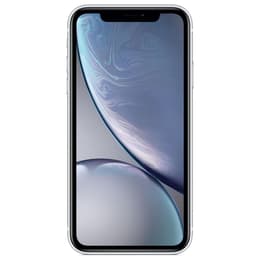
The iPhone 11, released in 2019, and the iPhone XR, launched in 2018, are two of the most successful smartphones in recent years. While they share a very similar physical footprint and design language, the iPhone 11 introduces several key internal upgrades and a more versatile camera system. Both devices operate on Apple's iOS, providing a consistent user experience, though the iPhone 11 benefits from a newer generation of internal hardware that influences its long-term software compatibility. For those looking for a sustainable choice, both models remain highly functional and relevant in the current mobile landscape.
Colour
Storage (GB)
The iPhone 11 and iPhone XR differ primarily in their release dates, which directly impacts their expected lifespan in terms of software updates and physical resilience over time.
Year of Release
Compatible with latest Update
OS
Foldable
While both phones handle daily tasks like web browsing and social media with ease, the iPhone 11 offers a more fluid experience during demanding activities due to its updated internal architecture.
The display experience on these two devices is remarkably similar, as they both utilise the same screen technology and dimensions for media consumption and daily navigation.
Resolution
Screen type
This is the area where the two devices diverge most significantly, particularly regarding their photographic capabilities and the variety of shots they can capture.
Main camera
Front camera
Beyond the core specifications, there are practical differences in connectivity and biometric security that impact how these devices feel during daily usage.
Weight
Width
Height
Screen size (in)
Mobile network
SIM card
Carrier compatibility
Connector
User consensus on community forums suggests that the iPhone XR remains a beloved device for its simplicity and reliable performance for basic tasks. Many users appreciate its comfortable size and the fact that it still handles essential apps without significant lag. However, the iPhone 11 is frequently recommended for those who take more photos, with users praising the addition of the ultra-wide lens and the significant improvement in low-light photography. Some users have noted that the iPhone XR's single-lens portrait mode is limited to humans, whereas the iPhone 11 can take portrait shots of pets and objects, adding to its everyday utility.
Users who prioritise photography and want a device that will remain compatible with the latest software for as long as possible will find the iPhone 11 to be the more suitable choice. Its improved water resistance and faster processing make it a robust companion for modern mobile needs. On the other hand, users who primarily use their phone for communication, light browsing, and social media may find that the iPhone XR provides all the necessary functionality in a very similar form factor. Choosing a quality-assured refurbished option is an eco-friendly alternative that allows users to access these reliable technologies while supporting a more sustainable electronics lifecycle. Ultimately, the decision rests on whether the enhanced camera and slightly faster performance of the iPhone 11 align with the user's daily habits and long-term expectations.