Compare models
iPhone 11 Vs iPhone 12 mini
- 1-year minimum warranty
- Free delivery on all items
- Free 30-day returns
Differences at a glance
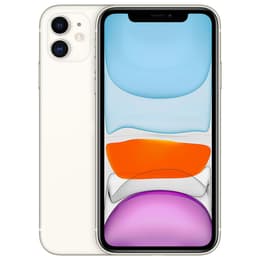
The iPhone 11, released in 2019, and the iPhone 12 Mini, launched in 2020, represent two distinct approaches to the modern smartphone experience. While the iPhone 11 follows a standard footprint with a generous display, the iPhone 12 Mini caters to those who prefer a compact, pocket-friendly device without sacrificing modern internals. Both handsets run Apple’s iOS, ensuring a consistent and familiar software environment, but they differ significantly in display technology, physical dimensions, and mobile network compatibility. Choosing between them involves balancing the desire for a larger battery against the need for a more portable, updated handset.
Available Models
Colour
Storage (GB)
Scores
Durability
The iPhone 12 Mini holds a slight advantage in long-term viability due to its more recent release date and updated internal hardware. While both devices are built to high standards, their expected lifespans are influenced by their respective launch windows.
- Software Support: Because the iPhone 12 Mini was released a year after the iPhone 11, it is expected to receive official iOS updates for at least one additional year, extending its functional lifespan for users who want the latest security features and app compatibility.
- Physical Resilience: The iPhone 12 Mini features a Ceramic Shield front cover, which provides improved protection against drops compared to the standard glass used on the iPhone 11, though both devices share similar water and dust resistance ratings.
- Repairability: Both models are widely supported by professional repair services, making it relatively straightforward to replace common components like batteries or screens, which helps in maintaining the device over several years of active use.
Year of Release
2019
2020
Compatible with latest Update
Yes
Yes
OS
iOS
iOS
Foldable
No
No
Performance
While both devices handle daily tasks with ease, the internal differences impact how they manage demanding applications and long-term multitasking efficiency. The newer architecture in the smaller model provides a different performance profile than the older, larger device.
- System Responsiveness: The iPhone 12 Mini utilises a more efficient internal architecture that allows it to launch applications faster and handle intensive tasks like gaming or video editing with less heat generation than the iPhone 11.
- Battery Endurance: The iPhone 11 features a significantly larger physical battery, which translates to longer usage times between charges, making it better suited for users who are frequently away from power outlets for extended periods.
- Multitasking Capabilities: Both devices offer smooth transitions between apps, but the iPhone 12 Mini’s updated internals provide more performance headroom, ensuring the device remains snappy as mobile applications become more demanding over time.
Screen quality
The viewing experience is one of the most noticeable differences between these two models, affecting everything from reading text to watching high-definition videos. The shift in technology between generations is quite apparent in side-by-side use.
- Display Technology: The iPhone 12 Mini uses OLED technology, which offers true blacks and a much higher contrast ratio compared to the LCD panel found on the iPhone 11, resulting in a more vivid and immersive visual experience for media.
- Clarity and Resolution: With a higher pixel density, the iPhone 12 Mini provides sharper text and finer details, whereas the iPhone 11’s screen, while clear and color-accurate, lacks the same level of crispness for high-resolution content.
- Outdoor Visibility: The iPhone 12 Mini can reach higher peak brightness levels, making it easier to read and navigate the interface when using the phone under direct sunlight or in bright outdoor environments.
Resolution
828 x 1792
1080 x 2340
Screen type
Liquid Retina IPS LCD
Super Retina XDR OLED
Audiovisual
Photography and media consumption are handled effectively by both devices, though the newer model introduces several software-based enhancements that improve results in challenging lighting conditions.
- Low-Light Photography: The iPhone 12 Mini features an improved camera system that supports Night Mode on all lenses, including the front-facing camera, allowing for clearer and more detailed photos in dark environments compared to the iPhone 11.
- Video Recording: While both can record in high resolution, the iPhone 12 Mini introduces the ability to record and edit video with enhanced dynamic range, providing more professional-looking results with better color accuracy and detail in shadows.
- Audio Output: The iPhone 11’s larger chassis allows for a more resonant speaker system, providing a slightly fuller sound for music and movies, though both devices offer clear stereo separation for calls and media consumption.
Main camera
12 megapixels
12 megapixels
Front camera
12 megapixels
12 megapixels
Miscellaneous
Beyond the core specifications, the physical handling and connectivity options define the daily user experience for these two smartphones. These practical elements often dictate which device feels more natural in a user's hand.
- Connectivity Standards: The iPhone 12 Mini supports 5G networks, offering faster data speeds and better future-proofing as network infrastructure evolves, while the iPhone 11 is limited to 4G LTE connectivity.
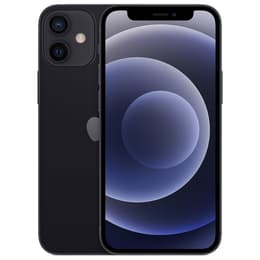
- Size and Ergonomics: The iPhone 12 Mini is one of the smallest modern smartphones available, making it ideal for one-handed use and small pockets, whereas the iPhone 11 is larger and heavier, requiring a more substantial grip.
- Charging and Accessories: Both devices use a Lightning port for charging, but the iPhone 12 Mini includes MagSafe technology, allowing for a range of magnetic accessories and more precise wireless charging alignment.
Weight
194 g
135 g
Width
7,57 cm
6,42 cm
Height
15,09 cm
13,15 cm
Depth
0,83 cm
0,74 cm
Screen size (in)
6.1
5.4
Mobile network
4G
5G
SIM card
Physical SIM + eSIM
Physical SIM + eSIM
Carrier compatibility
Unlocked
Unlocked
Connector
Lightning
Lightning
What the community thinks
User feedback from various forums highlights distinct preferences for each model based on lifestyle needs. The iPhone 11 is frequently praised for its reliable battery life and comfortable screen size, which many find ideal for long sessions of reading or watching videos. Conversely, the iPhone 12 Mini is a favorite among those who miss the era of smaller phones, though some users note that its compact size necessitates more frequent charging compared to larger models. The consensus suggests that while the Mini is more technologically advanced, the 11 remains a practical workhorse for general use.
Choosing between these two depends on your daily habits and priorities. Users who prioritise a large screen and all-day battery life will find the iPhone 11 well-suited to their needs. Those who prefer a lightweight, compact device with modern features like 5G and a high-quality OLED screen may lean toward the iPhone 12 Mini. Opting for a quality-assured refurbished option is a sustainable choice that allows you to access these features while reducing electronic waste. Both devices remain capable choices in 2026, offering a reliable experience for different types of users. As an eco-friendly alternative, choosing a refurbished model ensures you receive a device that has been thoroughly tested for performance and longevity, supporting a more circular economy.