

Compare models
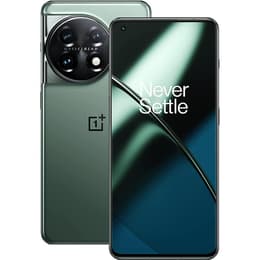
OnePlus 11 Vs OnePlus 13
- 1-year minimum warranty
- Free delivery on all items
- Free 30-day returns
Differences at a glance
The OnePlus 11 (2023) and the OnePlus 13 (2025) represent two successive generations of high-end Android smartphones designed to deliver fast everyday performance and reliable mobile features. While both models share a focus on smooth displays and versatile multi-lens camera systems, the newer OnePlus 13 introduces substantial upgrades to its battery capacity, display peak brightness, and processing power. Both devices run on Android-based software paired with customizable interfaces, though they cater to users looking for different balances between longevity and day-to-day usability.
Available Models
Colour
Storage (GB)
Scores
Durability
When examining hardware longevity and software support timelines, the OnePlus 13 benefits from a newer release date and a longer planned software update schedule compared to its predecessor.
- Software Support Duration: The OnePlus 13 launched with a more recent operating system version and receives extended major security and platform updates, while the OnePlus 11 approaches its mid-lifecycle phase.
- Expected Practical Lifespan: Both models utilize durable glass and metal configurations, but the OnePlus 13 features reinforced exterior glass protection, making it slightly more resilient against accidental drops during daily travels.
- Repairability: Standard maintenance and component replacements remain accessible for both devices through professional service networks, ensuring they can be maintained as sustainable choices over several years of active use.
Year of Release
2023
2025
Compatible with latest Update
Yes
Yes
OS
Android
Android
Foldable
No
No
Performance
Both smartphones handle demanding daily applications, heavy multitasking, and mobile gaming with ease, though the OnePlus 13 benefits from newer internal hardware refinements.
- Everyday Speed and Multitasking: The OnePlus 13 features an advanced current-generation processor and higher RAM configurations, ensuring rapid app switching and smoother handling of resource-intensive tasks. The OnePlus 11 relies on a slightly older processor tier that still manages standard workflows and streaming comfortably.
- Battery Behavior: The OnePlus 13 includes a larger-capacity silicon-carbon battery that sustains extended periods of heavy use, whereas the OnePlus 11 uses a standard battery capacity that requires more regular charging during intense utilization days.
- Charging Speeds: Both devices support rapid wired charging technologies that restore power quickly, minimizing downtime for busy professionals and students.
Screen quality
Visual clarity and display performance are central to both devices, though the OnePlus 13 elevates outdoor visibility and panel efficiency.
- Display Technology: Both smartphones utilize vibrant AMOLED panels with high refresh rates for smooth scrolling and responsive touch interaction.
- Brightness Levels: The OnePlus 13 achieves a significantly higher peak brightness level, making text and images much easier to read under direct sunlight. The OnePlus 11 provides adequate clarity for normal outdoor conditions but falls short of the newer model's maximum luminance.
- Viewing Experience: Both screens feature high-resolution output and dynamic refresh rate scaling to balance visual fluidity with battery conservation during video playback or reading.
Resolution
1440 x 3216
1440 x 3168
Screen type
LTPO3 Fluid AMOLED
AMOLED
Audiovisual
The camera systems on both devices are developed in partnership with Hasselblad, offering accurate color calibration and versatile shooting options.
- Lens Configurations: Both models feature high-resolution main, ultra-wide, and telephoto lenses that capture detailed landscapes, portraits, and close-up shots.
- Low-Light and Video: The OnePlus 13 benefits from updated image processing and improved sensor stabilization, yielding sharper night photography and steadier video footage in low-light environments. The OnePlus 11 remains capable for everyday memories and casual video recording.
- Media and Audio: Stereo speakers on both units deliver clear sound output for media consumption, accompanied by high-quality microphone arrays for calls and voice recordings.
Miscellaneous
Practical physical design elements and connectivity standards define how each phone integrates into daily routines.
- Build and Handling: The OnePlus 13 offers improved water and dust resistance ratings compared to the OnePlus 11, providing greater peace of mind near water or in dusty environments.
- Connectivity: Both models support fast 5G cellular networks, modern Wi-Fi standards, and Bluetooth connectivity for wireless accessories.
- Security and Ports: Each phone features a responsive in-display fingerprint sensor and uses standard USB-C ports for charging and data transfer.
Weight
205 g
213 g
Screen size (in)
6.7
6.82
Mobile network
5G
5G
SIM card
Dual Physical SIM + eSIM
Dual Physical SIM
Carrier compatibility
Unlocked
Unlocked
What the community thinks
User feedback from online forums highlights distinct preferences for each device based on individual daily requirements. Owners of the OnePlus 11 frequently praise its reliable overall speed, fluid screen, and fast charging speeds that easily fit into busy schedules. Conversely, users of the OnePlus 13 emphasize appreciation for its exceptional battery longevity, superior outdoor screen brightness, and refined camera processing. Common concerns for the older model revolve around gradual battery degradation over years of use, while the newer model receives occasional remarks regarding its larger physical footprint.
When deciding between the two, users prioritizing maximum battery endurance, outdoor screen visibility, and extended software support will find the OnePlus 13 well-suited to their needs. Meanwhile, users seeking a streamlined, capable daily device for general tasks and media consumption may prefer the OnePlus 11. Choosing a quality-assured refurbished option for either model provides an eco-friendly alternative that extends device lifecycles while supporting sustainable technology choices.