

Compare models
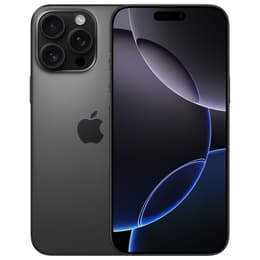
iPhone 16 Pro Max Vs OnePlus 13
- 1-year minimum warranty
- Free delivery on all items
- Free 30-day returns
Differences at a glance
The iPhone 16 Pro Max (2024) and the OnePlus 13 (2025) represent large-format flagship smartphones designed for users seeking top-tier functionality, expansive screens, and robust capabilities. While the iPhone 16 Pro Max operates on Apple's refined ecosystem with iOS, the OnePlus 13 runs on Android with OxygenOS. These two devices diverge significantly in software philosophy, battery architecture, and hardware approach while catering to similar productivity-focused audiences.
Available Models
Colour
Storage (GB)
Scores
Durability
Both smartphones are built to handle years of daily use, though their software update timelines and physical maintenance profiles differ slightly based on manufacturer support models.
- Software longevity: The iPhone 16 Pro Max benefits from Apple's long-standing track record of multi-year operating system upgrades, whereas the OnePlus 13 provides a comprehensive multi-year Android update schedule matching standard industry cycles.
- Repairability and build: Both models utilize rigid frame materials and reinforced glass fronts, though standard maintenance requires professional service channels for both manufacturers.
- Expected lifespan: High-capacity internal components and robust processing headroom ensure both devices maintain fluid responsiveness through several years of sustained daily operation.
Year of Release
2024
2025
Compatible with latest Update
Yes
Yes
Foldable
No
No
Performance
Performance capabilities on both devices handle intensive multitasking, demanding applications, and high-frame-rate gaming without noticeable stutter or thermal throttling.
- Storage and memory: Both models offer multiple high-capacity tiers starting at generous baseline configurations paired with ample memory to keep background applications active simultaneously.
- Battery behavior: The OnePlus 13 incorporates a high-capacity silicon-carbon battery that delivers extended endurance for heavy use, while the iPhone 16 Pro Max optimizes power efficiency through tightly integrated hardware and software.
- System responsiveness: Modern processing architectures in both devices ensure instant app launching, smooth page rendering, and seamless switching between resource-heavy workflows.
Screen quality
The display assemblies on both devices offer expansive viewing real estate, high resolutions, and adaptive refresh rates that scale dynamically to match on-screen activity.
- Display technology: Both models use advanced OLED panels with deep black levels, vibrant color reproduction, and high peak brightness capabilities for clear visibility under direct sunlight.
- Smoothness and motion: Adaptive refresh rates reaching up to 120Hz ensure fluid scrolling through long documents, web pages, and user interfaces.
- Viewing experience: Generous screen sizes exceeding 6.8 inches provide immersive canvas areas for media consumption, split-screen multitasking, and photo editing.
Resolution
1320 x 2868
1440 x 3168
Screen type
LTPO Super Retina XDR OLED
AMOLED
Audiovisual
Imaging systems on both flagships feature versatile multi-lens arrays capable of capturing detailed photographs and high-definition video across various lighting conditions.
- Lens configurations: Both devices include high-resolution main sensors, ultra-wide lenses, and dedicated telephoto options with optical zoom support for distant subjects.
- Low-light performance: Advanced image processing algorithms on both smartphones brighten shadows and reduce noise in dim environments automatically.
- Video and audio: High-fidelity video recording features are paired with clear multi-microphone arrays for crisp audio capture, complemented by balanced stereo speakers for media playback.
Miscellaneous
Physical dimensions and connectivity standards reflect modern engineering choices aimed at balancing daily ergonomics with advanced hardware features.
- Connectivity options: Both smartphones support widespread 5G network compatibility, modern Wi-Fi standards, and rapid Bluetooth pairing for accessory ecosystems.
- Physical attributes: Weighing over 200 grams, both devices have substantial heft, with the iPhone utilizing titanium materials and the OnePlus offering alternative textured rear finishes.
- Authentication: The iPhone relies on secure facial recognition sensors, while the OnePlus features a responsive under-display fingerprint scanner alongside facial unlock options.
Weight
227 g
213 g
Screen size (in)
6.9
6.82
Mobile network
5G
5G
SIM card
Physical SIM + eSIM
Dual Physical SIM
Carrier compatibility
Unlocked
Unlocked
Connector
USB-C (USB 3)
USB-C
What the community thinks
User discussions across community forums frequently praise the iPhone 16 Pro Max for its seamless ecosystem integration, video recording stability, and long-term resale value, though some users note its substantial weight and slower wired charging speeds. Conversely, the OnePlus 13 receives positive feedback for its exceptionally fast charging speeds, massive battery capacity, and customizable software experience, though occasional users mention regional software quirks.
Users prioritizing ecosystem synergy and video production tools may prefer the iPhone 16 Pro Max, while users valuing rapid charging turnaround and Android customization will find the OnePlus 13 well-suited to their workflow. For those exploring sustainable hardware acquisition, choosing a quality-assured refurbished option provides an eco-friendly path to owning either of these powerful devices without compromising performance standards.