

Compare models
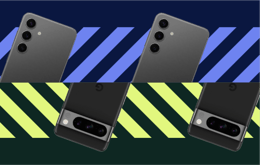
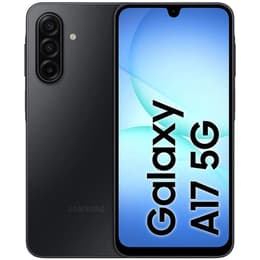
Galaxy A17 Vs Google Pixel 9
- 1-year minimum warranty
- Free delivery on all items
- Free 30-day returns
Differences at a glance
The Samsung Galaxy A17 (2025) and the Google Pixel 9 (2024) are modern Android smartphones designed for distinct segments of the mobile market. While both devices run on the Android operating system, they approach daily usage with different priorities, ranging from long-term software support to integrated artificial intelligence features and hardware capability.
Available Models
Colour
Storage
Scores
Durability
Both smartphones provide robust long-term usability, though they target durability through different release timelines and support structures.
- Software longevity: The Galaxy A17 benefits from an extended update policy spanning multiple years of major operating system upgrades, closely matching flagship support windows. The Google Pixel 9 provides a comprehensive multi-year update commitment covering system releases and security patches.
- Build and repairability: The Google Pixel 9 incorporates durable glass and metal materials with high-grade water resistance. The Galaxy A17 utilizes practical composite structures designed for everyday handling resilience.
- Expected lifespan: Both devices maintain reliable daily performance over several years, supported by consistent security updates and stable battery management systems.
Year of Release
2025
2024
OS
Android
Android
Foldable
No
No
Performance
Processing capabilities and multitasking behaviors vary between the two models, reflecting their respective hardware configurations and software optimization.
- Everyday responsiveness: The Google Pixel 9 handles demanding applications, intense multitasking, and advanced software features smoothly. The Galaxy A17 manages standard daily tasks, web browsing, and media streaming reliably using its balanced processor configuration.
- Memory and storage: The Pixel 9 features generous random access memory allocation to facilitate seamless background task management. The Galaxy A17 offers efficient storage tiers suited for everyday media storage and app libraries.
- Battery behavior: Both smartphones deliver dependable battery endurance through a typical day of mixed usage, with power management features adapting to user habits over time.
Screen quality
Display characteristics differ significantly in size, panel technology, and visual fluidity across both devices.
- Display technology: The Google Pixel 9 features a vibrant OLED display panel with deep contrast levels and high peak brightness for clear outdoor visibility. The Galaxy A17 utilizes a large display panel optimized for comfortable media viewing and everyday reading.
- Refresh rate and smoothness: The Pixel 9 supports a high dynamic refresh rate for fluid scrolling and animations. The Galaxy A17 maintains a steady refresh rate suited for standard navigation and video playback.
- Viewing experience: Both screens offer sharp resolutions and comfortable color reproduction, catering well to users who consume frequent video content on the go.
Resolution
1080x2340
1080 x 2424
Audiovisual
Imaging systems on these smartphones offer distinct capabilities for photography and media recording.
- Camera hardware: The Google Pixel 9 equips a versatile dual-lens rear configuration with advanced computational photography processing for detailed low-light shots. The Galaxy A17 features a practical multi-lens setup centered around a high-resolution primary sensor for clear everyday snapshots.
- Video and audio: Both models support stable high-definition video recording with integrated stabilization features. Microphone clarity ensures clean audio pickup during voice calls and video messaging.
- Media consumption: Built-in stereo speaker arrangements on both devices deliver balanced audio output for podcasts, casual video streaming, and hands-free calls.
Front camera
13MP
10.5 megapixels
Miscellaneous
Practical hardware additions and connectivity features define the physical user experience of each smartphone.
- Connectivity standards: Both models support current mobile networks including fast cellular data alongside modern Wi-Fi and Bluetooth protocols.
- Security sensors: Secure authentication is handled via responsive biometric sensors, including under-display fingerprint recognition and facial identification features.
- Handling and design: The Pixel 9 offers a compact form factor with rounded edges for ergonomic grip. The Galaxy A17 provides a slightly larger physical footprint that accommodates an expansive viewing area.
Weight
192 g
198 g
Screen size (in)
6.7
6.3
Mobile network
5G
5G
SIM card
Dual Physical SIM
Physical SIM + eSIM
Carrier compatibility
Unlocked
Unlocked
Connector
USB-C
USB-C
What the community thinks
Choosing between the Samsung Galaxy A17 and the Google Pixel 9 depends heavily on individual daily priorities and feature preferences. Users prioritizing advanced computational photography, seamless artificial intelligence integration, and high refresh rate displays may lean toward the Google Pixel 9. Conversely, users seeking an expansive screen, reliable everyday performance, and extended software support within a practical design will find the Galaxy A17 well-suited to their needs. Exploring a quality-assured refurbished option through Back Market can also provide an eco-friendly alternative for acquiring either device sustainably without compromising on functional reliability.