
Compare models

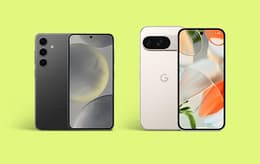
Galaxy Z Fold6 Vs Google Pixel 10

  • 1-year minimum warranty
  • Free delivery on all items
  • Free 30-day returns
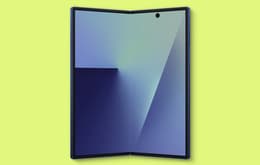
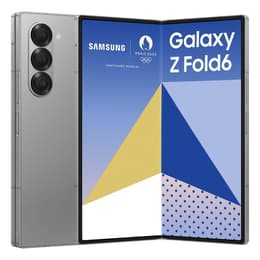
Galaxy Z Fold6
Starting at

Refurbished price:£504.00

Versus £1,685.59 new

See options
Google Pixel 10
Starting at

Refurbished price:£404.00

Versus £789.14 new

See options

Differences at a glance

The Samsung Galaxy Z Fold6 (2024) and the Google Pixel 10 (2025) represent two distinct visions of modern smartphone design, contrasting a pioneering foldable format with a refined traditional slate form factor. While the Galaxy Z Fold6 offers a transforming dual-screen experience with robust multitasking capabilities, the Google Pixel 10 delivers a classic candy-bar layout focused on streamlined everyday utility and deep software integration. Operating on Android and featuring distinct hardware configurations, these devices cater to very different user preferences regarding daily device interaction.

Available Models

Colour

Storage

Scores

Durability

When evaluating structural longevity and software support, both devices are built to handle years of continuous daily use, though their physical formats introduce unique maintenance considerations.

  • Software Support: Both manufacturers provide extensive operating system update commitments, ensuring that software longevity remains strong well into the future.
  • Physical Design: The Galaxy Z Fold6 incorporates a complex folding hinge mechanism that requires careful handling, whereas the rigid slab construction of the Google Pixel 10 offers a traditional, uniform level of physical durability.
  • Repairability: Traditional smartphone layouts generally present simpler maintenance procedures compared to multi-screen folding alternatives, influencing long-term serviceability.

Year of Release

2024

2025

Compatible with latest Update

Yes

Yes

OS

Android

Android

Foldable

Yes

No

Performance

Both smartphones handle demanding daily applications, background task management, and intense gaming sessions smoothly, utilizing efficient internal hardware configurations paired with generous random access memory.

  • Multitasking Handling: The Galaxy Z Fold6 excels at running multiple apps simultaneously across its expansive display workspace, while the Google Pixel 10 manages standard split-screen tasks fluidly on a single screen.
  • Battery Behavior: Battery drain varies depending on screen usage patterns, with the foldable model consuming additional power when utilizing its larger inner display for extended periods.
  • System Responsiveness: App loading speeds and overall system navigation remain fluid and immediate on both devices during routine daily operations.

Screen quality

Display technology represents one of the most prominent points of divergence between these two devices, directly shaping how media, text, and productivity applications are consumed.

  • Display Format: The Galaxy Z Fold6 features an outer cover screen alongside a massive tablet-sized inner display, while the Google Pixel 10 provides a single, high-clarity OLED panel optimized for single-handed use.
  • Brightness and Outdoor Clarity: Both screens reach high peak brightness levels, ensuring sharp text and vivid imagery remain legible under direct sunlight.
  • Refresh Rate: Smooth scrolling and responsive touch tracking are maintained across all active displays on both models through adaptive refresh rate technology.

Resolution

1856 x 2160

1080x2424

Screen type

Foldable Dynamic LTPO AMOLED 2X

OLED

Audiovisual

Imaging capabilities are handled through versatile multi-lens rear arrays designed to capture clear photos and stable video in diverse lighting conditions.

  • Photography Performance: Both devices deliver sharp details and natural color reproduction in daylight, with specialized software handling low-light environments effectively.
  • Video Recording: High-resolution video capture options include advanced stabilization features that minimize shaky footage during movement.
  • Media Consumption: Stereo speaker output provides clear audio for listening to music, watching videos, and participating in hands-free calls.

Front camera

4 megapixels

42 megapixels

Miscellaneous

Practical daily features, physical dimensions, and connectivity standards determine how comfortably each device integrates into travel routines and mobile lifestyles.

  • Connectivity: Both models support modern high-speed mobile networks, advanced wireless protocols, and precise location-tracking sensors.
  • Build and Dimensions: The Google Pixel 10 maintains a conventional weight and thickness profile for easy pocket storage, whereas the Galaxy Z Fold6 is heavier and folds into a thicker, narrower profile.
  • Authentication: Secure device unlocking is handled via biometric sensors integrated smoothly into the physical design of each respective chassis.

Weight

239 g

204 g

Screen size (in)

7.6

6.3

Mobile network

5G

5G

SIM card

Dual Physical SIM + eSIM

Physical SIM + eSIM

Carrier compatibility

Unlocked

Unlocked

What the community thinks

User discussions and community feedback indicate that the choice between these two devices largely depends on preferred physical layouts and daily workflow habits. Users prioritizing an expansive workspace for reading, document editing, and multi-window multitasking often lean toward the Galaxy Z Fold6. Conversely, users who value a lightweight, traditional phone shape with straightforward handling and reliable everyday efficiency frequently prefer the Google Pixel 10.

For consumers seeking an eco-friendly, quality-assured alternative, exploring a quality-assured refurbished option provides a sustainable way to access advanced mobile technology without purchasing newly manufactured hardware. Ultimately, evaluating whether a folding display or a standard slab format aligns better with personal habits will guide the most satisfying decision.