
Compare models

iPhone Air Vs OnePlus 10 Pro

  • 1-year minimum warranty
  • Free delivery on all items
  • Free 30-day returns
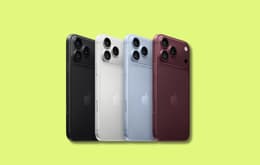
iPhone Air
Starting at

Refurbished price:£604.00

Versus £1,099.00 new

See options
OnePlus 10 Pro
Starting at

Refurbished price:£289.00

Versus £899.00 new

See options

Differences at a glance

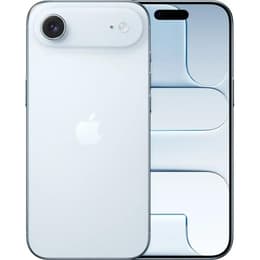
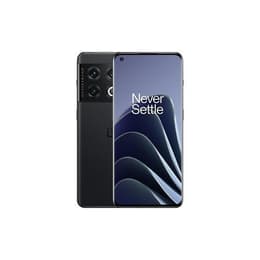
The iPhone Air (2025) and the OnePlus 10 Pro (2022) represent distinctly different philosophies in smartphone design and engineering. While the iPhone Air prioritizes an ultra-slim profile and lightweight titanium structure, the OnePlus 10 Pro focuses on a feature-rich flagship approach with a versatile multi-lens camera system. Operating on different software ecosystems, iOS and Android respectively, these devices cater to users looking for contrasting hardware priorities.

Available Models

Colour

Storage

Scores

Durability

When evaluating structural longevity and software support, both devices handle hardware updates and daily wear through differing lifecycles depending on their release years.

  • Software Support Duration: The iPhone Air benefits from Apple's extended update schedule spanning several years post-release, whereas the OnePlus 10 Pro operates on a shorter remaining window of major Android updates.
  • Build Durability: The iPhone Air utilizes a rigid titanium frame paired with reinforced glass protection, while the OnePlus 10 Pro relies on an aluminum chassis and curved protective glass panels.
  • Expected Lifespan: Both models maintain high processing headroom for everyday tasks, though newer hardware architectures offer advantages for long-term software compatibility.

Year of Release

2025

2022

Compatible with latest Update

Yes

Yes

OS

iOS

Android

Foldable

No

No

Performance

Underneath their exteriors, these smartphones manage daily multitasking, app loading, and system responsiveness through capable internal processing hardware.

  • System Responsiveness: Both devices handle demanding applications and rapid switching between open programs smoothly without noticeable stutter during standard workflows.
  • Battery Behavior: The OnePlus 10 Pro houses a larger capacity cell supporting rapid charging speeds, while the iPhone Air optimizes power efficiency to sustain typical daily usage within its slim chassis.
  • Storage Configurations: Both smartphones offer generous internal storage tiers, though neither model includes expandable storage slots for physical memory cards.

Screen quality

Display performance shapes daily media consumption, reading comfort, and outdoor visibility across both smartphone models.

  • Panel Technology: Both devices feature vibrant OLED displays with deep contrast levels, high refresh rates reaching 120 hertz, and smooth scrolling capabilities.
  • Outdoor Brightness: The iPhone Air reaches high peak luminance levels for clear visibility under direct sunlight, matching the robust outdoor viewing standards of the OnePlus 10 Pro.
  • Viewing Area: The OnePlus 10 Pro features a curved 6.7-inch screen format, whereas the iPhone Air opts for a flat 6.5-inch panel configuration.

Resolution

2736x1260

1440 x 3216

Screen type

Super Retina XDR

LTPO2 Fluid AMOLED

Audiovisual

Photography and media recording capabilities vary significantly based on the lens configurations integrated into each device's rear housing.

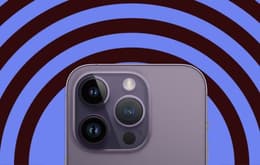
  • Camera System Setup: The OnePlus 10 Pro features a versatile triple-lens array including a dedicated telephoto zoom option, while the iPhone Air streamlines photography through a single high-resolution main sensor.
  • Video and Audio Output: Both models record crisp high-definition video with effective stabilization, while media playback is handled via built-in speaker systems tailored for casual listening.
  • Low-Light Performance: Advanced image processing helps both devices capture balanced details in dimly lit environments using dedicated night modes.

Main camera

48 megapixels

48 megapixels

Front camera

18 megapixels

32 megapixels

Miscellaneous

Practical everyday features, connectivity standards, and physical handling characteristics define the overall user experience.

  • Physical Dimensions: The iPhone Air emphasizes a remarkably thin and lightweight construction, whereas the OnePlus 10 Pro offers a traditional heavier flagship heft with curved edges.
  • Connectivity Options: Both smartphones support modern fifth-generation mobile networks, fast Wi-Fi standards, and Bluetooth pairing for wireless accessories.
  • Authentication Methods: The iPhone Air utilizes facial recognition sensors, while the OnePlus 10 Pro relies on an optical fingerprint scanner embedded beneath the display glass.

Weight

165 g

201 g

Screen size (in)

6.5

6.7

Mobile network

5G

5G

SIM card

eSIM

Dual Physical SIM

Carrier compatibility

Unlocked

Unlocked

What the community thinks

User feedback on community forums highlights distinct preferences for each device. Owners of the OnePlus 10 Pro frequently praise its fast charging speeds and versatile multi-lens camera setup, though some note that software update pacing slows down over time. Conversely, users favor the iPhone Air for its exceptionally lightweight build and long-term software backing, while noting that its single-lens camera and lack of expandable storage require specific workarounds for photography enthusiasts.

Users prioritizing an exceptionally thin, lightweight form factor alongside extended software longevity will find the iPhone Air well-suited to their daily routine. Meanwhile, users who value a versatile multi-lens camera system with a dedicated zoom and rapid wired charging capabilities may lean toward the OnePlus 10 Pro. For shoppers exploring a sustainable choice, opting for a quality-assured refurbished option provides a practical way to acquire these technologies while reducing electronic waste.