Compare models

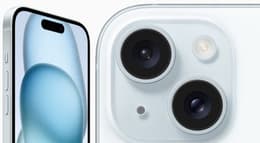
iPhone 15 Plus Vs iPhone Air

  • 1-year minimum warranty
  • Free delivery on all items
  • Free 30-day returns
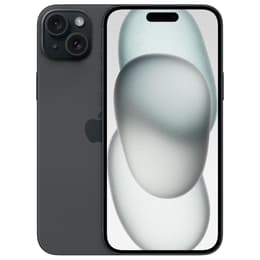
iPhone 15 Plus
Starting at

Refurbished price:£352.00

Versus £799.00 new

See options
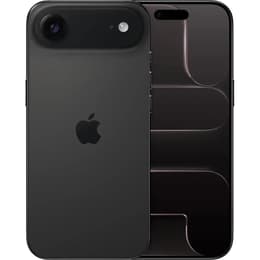
iPhone Air
Starting at

Refurbished price:£605.00

Versus £1,099.00 new

See options

Differences at a glance

The iPhone 15 Plus (2023) and the iPhone Air (2025) represent two different approaches to large-screen smartphone design within Apple's mobile lineup. While the iPhone 15 Plus emphasizes a traditional robust build with an expansive display, the iPhone Air prioritizes an ultra-slim profile and advanced internal architecture. Both devices deliver modern smartphone capabilities under distinct operating system versions while catering to unique user preferences regarding handling and physical form factor.

Available Models

Colour

Storage (GB)

Scores

Durability

When evaluating structural longevity and software support, these two models reflect different generations of hardware release timelines and engineering standards.

    Software longevity: The iPhone Air benefits from a newer release year, securing a longer window of future operating system updates compared to the iPhone 15 Plus.
    Build resilience: The iPhone 15 Plus utilizes traditional aluminum framing and glass, whereas the iPhone Air incorporates a grade-5 titanium frame paired with advanced surface protection layers.
    Repair framework: Both models maintain standard component repairability pathways through authorized channels, though internal compactness on the ultra-slim model introduces more intricate repair procedures.

Year of Release

2023

2025

Compatible with latest Update

Yes

Yes

OS

iOS

iOS

Foldable

No

No

Performance

Day-to-day responsiveness and multitasking capabilities vary based on internal hardware generational gaps and memory allocations.

    Multitasking capacity: The iPhone Air features expanded system memory that handles background tasks and heavy app switching smoothly, while the iPhone 15 Plus manages daily productivity and standard applications reliably with its baseline memory configuration.
    Processing speeds: Both devices load demanding applications quickly and execute graphic-heavy tasks without noticeable lag, though the newer processor architecture in the iPhone Air offers additional headroom for intensive workloads.
    Power management: The iPhone 15 Plus houses a larger physical battery that comfortably sustains extended daily use, whereas the slimmer profile of the iPhone Air requires more frequent charging intervals for heavy users.

Screen quality

Visual output across both large-format displays delivers sharp clarity, though panel technologies and refresh rates introduce distinct viewing differences.

    Refresh rate: The iPhone Air includes adaptive high-refresh-rate technology for smoother scrolling and motion rendering, while the iPhone 15 Plus utilizes a standard refresh rate.
    Outdoor visibility: The iPhone Air achieves higher peak outdoor brightness levels, improving legibility under direct sunlight compared to the iPhone 15 Plus.
    Display dimensions: The iPhone 15 Plus features a 6.7-inch panel offering slightly more absolute screen estate, contrasted with the 6.5-inch panel on the iPhone Air.

Resolution

1290 x 2796

2736x1260

Screen type

Super Retina XDR OLED

Super Retina XDR

Audiovisual

Media capture hardware differs significantly in lens versatility and audio-visual output configuration between the two models.

    Camera configuration: The iPhone 15 Plus relies on a dual-lens rear system including an ultra-wide option, while the iPhone Air streamlines photography to a single high-resolution main lens setup.
    Video recording: Both smartphones capture detailed high-resolution video with stabilization features, making them well-suited for everyday recording and casual content creation.
    Audio output: The iPhone 15 Plus provides a stereo speaker configuration for balanced media consumption, contrasted with the single-speaker layout found on the ultra-thin build of the iPhone Air.

Main camera

48 megapixels

48 megapixels

Front camera

12 megapixels

18 megapixels

Miscellaneous

Practical daily usability is shaped by physical dimensions, connectivity standards, and interface ports.

    Port connectivity: Both devices utilize the universal USB-C standard for charging and data transfer, replacing older proprietary connectors.
    Physical handling: The iPhone Air stands out for its remarkably lightweight and thin profile that reduces pocket bulk, while the iPhone 15 Plus has a heavier, more traditional feel.
    Wireless standards: The iPhone Air incorporates updated wireless networking hardware supporting faster local network speeds and improved peripheral connection stability.

Weight

201 g

165 g

Screen size (in)

6.7

6.5

Mobile network

5G

5G

SIM card

Physical SIM + eSIM

eSIM

Carrier compatibility

Unlocked

Unlocked

Connector

USB-C

USB-C

What the community thinks

User feedback from online communities highlights distinct viewpoints regarding both models. Owners of the iPhone 15 Plus frequently praise its dependable battery endurance and comfortable handling for media viewing. Conversely, users emphasize the exceptional physical lightness and premium tactile feel of the iPhone Air as standout daily attributes, though some note the absence of an ultra-wide camera lens as a practical limitation. Choosing a quality-assured refurbished option provides a sustainable choice for acquiring either device while reducing electronic waste.

Users prioritizing maximum battery stamina and a dual-lens camera system will find the iPhone 15 Plus well-suited to their routine. Meanwhile, users prioritizing a featherlight physical profile, advanced display fluidity, and long-term software support may lean toward the iPhone Air. Ultimately, the decision rests on whether physical slimness or extended battery endurance takes precedence in everyday use.