Galaxy S25 Ultra Vs Sony Xperia 1 IV

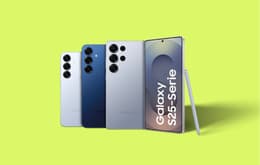
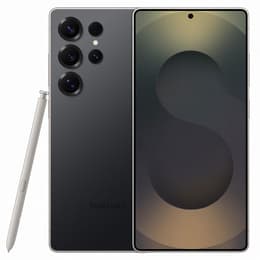
Galaxy S25 Ultra
Galaxy S25 Ultra
Starting at

Refurbished price:£654.00

Versus £1,249.00 new

See options
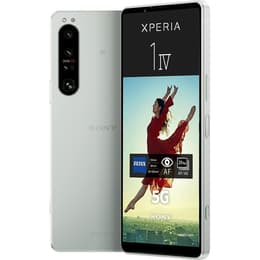
Sony Xperia 1 IV
Sony Xperia 1 IV
Starting at

Refurbished price:£346.00

Versus £1,500.00 new

See options

Ratings

The Samsung Galaxy S25 Ultra, anticipated for release in early 2026, represents Samsung's latest premium Android smartphone offering. In contrast, the Sony Xperia 1 IV, launched in May 2022, is a flagship device from Sony known for its creator-focused features. While both run on the Android operating system, the S25 Ultra benefits from several years of technological advancements, particularly in processing power and camera capabilities, whereas the Xperia 1 IV offers unique features tailored for multimedia enthusiasts.

Scores

Durability

Comparing the longevity of these devices reveals differences primarily due to their release timelines and manufacturer support policies.

  • Release Timeline: The Galaxy S25 Ultra, being a 2026 device, offers a significantly newer hardware platform compared to the Xperia 1 IV, which was released in 2022.
  • Software Support: Samsung typically provides extensive software support for its Ultra models, often extending to seven years of security updates and multiple OS upgrades. The Xperia 1 IV, having launched in 2022, has already received several OS updates and will likely see its official software support conclude sooner than the S25 Ultra.
  • Physical Durability: Both devices feature premium build materials and IP68 water and dust resistance. The S25 Ultra is expected to incorporate the latest generation of protective glass and a robust frame, potentially offering enhanced scratch and drop resistance over the Xperia 1 IV's Gorilla Glass Victus.

Year of Release

2025

2022

Compatible with latest Update

Yes

No

OS

Android

Android

Foldable

No

No

Performance

The performance gap between these two devices is notable, primarily due to the generational difference in their internal components.

  • Processing Power: The Galaxy S25 Ultra is equipped with a current-generation processor, enabling it to handle demanding applications, intensive multitasking, and advanced mobile gaming with exceptional fluidity. The Xperia 1 IV, powered by a 2022 flagship processor, still offers capable performance for everyday tasks and most applications, but may show its age with the most resource-intensive software by 2026.
  • Multitasking and Responsiveness: Both devices offer ample RAM, ensuring smooth transitions between apps. However, the S25 Ultra's newer architecture provides more headroom for future software and complex workloads, maintaining responsiveness over a longer period.
  • Storage Options: Both models offer generous internal storage configurations, with the Xperia 1 IV uniquely featuring a microSD card slot for expandable storage, a feature not typically found on the S25 Ultra.

Memory (GB)

12 GB

12 GB

Screen quality

Both smartphones offer high-quality displays, but with distinct characteristics and user experiences.

  • Display Technology: The Galaxy S25 Ultra features a Dynamic AMOLED 2X display, known for its high brightness, deep blacks, and vibrant color reproduction, making it excellent for outdoor visibility and HDR content. The Xperia 1 IV boasts a unique 4K OLED display, offering exceptional pixel density and color accuracy, particularly appealing to content creators and those who prioritize ultra-sharp visuals.
  • Refresh Rate and Smoothness: Both devices offer a 120Hz adaptive refresh rate, providing smooth scrolling and fluid animations. The S25 Ultra's adaptive refresh rate can scale down to conserve battery more efficiently.
  • Screen Size and Aspect Ratio: The S25 Ultra typically features a large, expansive display with a more conventional aspect ratio, often integrated with S Pen functionality. The Xperia 1 IV utilizes a 21:9 aspect ratio, which is ideal for cinematic content viewing and provides a narrower, taller form factor for easier one-handed grip.

Resolution

1440x3120

1644 x 3840

Audiovisual

The camera systems on the Galaxy S25 Ultra and Sony Xperia 1 IV reflect different philosophies in mobile photography.

  • Overall Camera System: The Galaxy S25 Ultra is expected to feature a highly versatile multi-camera setup, including a high-megapixel main sensor, advanced ultrawide, and multiple telephoto lenses with impressive optical zoom capabilities, enhanced by sophisticated computational photography. The Xperia 1 IV focuses on a more professional, creator-centric approach with three 12MP lenses (main, ultrawide, and a unique continuous optical zoom telephoto lens), offering extensive manual controls and a dedicated shutter button.
  • Low-Light Performance: The S25 Ultra's larger sensors and advanced image processing are likely to deliver superior low-light performance with brighter, clearer images and reduced noise. The Xperia 1 IV performs well in good lighting, but its smaller sensors may struggle more in very dim conditions compared to the S25 Ultra.
  • Video Recording: Both phones offer high-quality video recording, including 4K at various frame rates. The S25 Ultra will likely push boundaries with 8K recording and advanced stabilization, while the Xperia 1 IV excels with its Cinema Pro and Video Pro apps, providing granular control over video settings, appealing to professional videographers.

Front camera

12

12 megapixels

Miscellaneous

Beyond core features, several practical elements differentiate these two smartphones.

  • Connectivity: The Galaxy S25 Ultra will support the latest wireless standards, including Wi-Fi 7 and Bluetooth 5.4/5.5, ensuring cutting-edge connectivity speeds and efficiency. The Xperia 1 IV supports Wi-Fi 6 and Bluetooth 5.2, which are still robust for current needs but not as future-proof.
  • Ports and Expandability: The S25 Ultra features a USB-C port, likely with advanced data transfer capabilities. The Xperia 1 IV also uses USB-C but uniquely includes a 3.5mm headphone jack and a microSD card slot, catering to users who prefer wired audio and expandable storage.
  • Biometric Security: Both devices offer reliable biometric authentication. The S25 Ultra typically uses an ultrasonic in-display fingerprint sensor, while the Xperia 1 IV features a side-mounted fingerprint sensor integrated into the power button.
  • Design and Handling: The S25 Ultra often has a more squared-off, premium design, sometimes incorporating an S Pen stylus. The Xperia 1 IV maintains a sleek, rectangular design with a 21:9 aspect ratio, which some users find more comfortable for media consumption and one-handed use despite its height.

Weight

233 g

185 g

Screen size (in)

6.9

6,5

Mobile network

5G

5G

SIM card

Dual Physical SIM + eSIM

Physical SIM + eSIM

Carrier compatibility

Unlocked

Unlocked

Connector

USB-C

USB-C + Jack 3.5mm

Choosing between the Galaxy S25 Ultra and the Sony Xperia 1 IV depends heavily on individual priorities and usage patterns. The Galaxy S25 Ultra is a powerhouse designed for users who demand the absolute latest in performance, camera technology, and software longevity. It excels in general versatility, offering a premium experience for productivity, gaming, and AI-enhanced photography, making it suitable for a wide range of users seeking a cutting-edge device.

The Sony Xperia 1 IV, while an older model, carves out a distinct niche for multimedia enthusiasts and content creators. Its 4K display, 21:9 aspect ratio, 3.5mm headphone jack, microSD card slot, and advanced manual camera controls make it an excellent choice for those who prioritize a unique cinematic viewing experience, professional-grade video recording, and traditional audio connectivity. Users who value these specific features and a more hands-on approach to their device will find the Xperia 1 IV particularly appealing.

Ultimately, the decision comes down to whether you prioritize the latest technological advancements and broad feature set of a newer flagship like the S25 Ultra, or the specialized, creator-focused tools and unique multimedia experience offered by the Xperia 1 IV. Both devices, especially when considering quality-assured refurbished options, represent sustainable choices for different user needs.

See all articles

Our recent comparisons