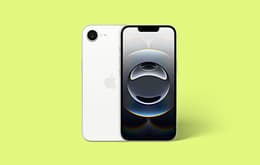

Google Pixel 9 Vs iPhone 16e

Google Pixel 9
Google Pixel 9
Starting at

Refurbished price:£330.00

Versus £892.46 new

See options
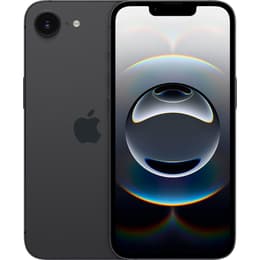
iPhone 16e
iPhone 16e
Starting at

Refurbished price:£359.00

Versus £599.00 new

See options

Ratings

The Google Pixel 9, released in August 2024, and the iPhone 16E, launched in February 2025, represent distinct approaches to smartphone design and functionality. While both devices offer a premium experience, they cater to different user preferences through their respective operating systems and hardware philosophies. The Pixel 9 emphasizes advanced computational photography and a high refresh rate display, whereas the iPhone 16E focuses on a streamlined user experience and robust build quality.

Scores

Durability

When considering the longevity of a smartphone, several factors come into play, including software support, physical resilience, and ease of repair.

  • Software Support: The Google Pixel 9 is notable for its commitment to extended software updates, promising seven years of operating system and security updates, ensuring it remains current until Android 22. The iPhone 16E, while newer, was originally supplied with iOS 18.3 and supports iOS 26.3.1, with Apple typically providing updates for several years, though a specific end-of-life for software support is not as explicitly stated as with the Pixel.
  • Physical Durability: Both devices feature robust construction. The Pixel 9 incorporates Gorilla Glass Victus 2 on both its front and back, along with an aluminum frame, and carries an IP68 rating for dust and water resistance. The iPhone 16E utilizes Apple's Ceramic Shield on the front and an aluminum frame, also boasting an IP68 rating. Durability tests indicate both phones hold up well against scratches and bending, though the aluminum frames on both can be susceptible to cosmetic damage from impacts.
  • Repairability: While specific repairability scores can vary, the iPhone 16E has been noted for a decent repairability score in teardowns, with Apple demonstrating an improved approach to battery removal. The Pixel 9's internal architecture has also been cited for contributing to its overall durability.

Year of Release

2024

2025

OS

Android

iOS

Foldable

No

No

Performance

Performance in modern smartphones is less about raw speed and more about how smoothly the device handles daily tasks, from app navigation to demanding applications.

  • System Responsiveness: The Google Pixel 9 is powered by the Google Tensor G4, designed for efficient handling of AI-driven features and everyday multitasking. It comes with 12GB of RAM, contributing to smooth transitions and app management. The iPhone 16E features the Apple A18 chip and 8GB of RAM, providing a responsive and fluid user experience, particularly within the iOS ecosystem.
  • Battery Behavior: The Pixel 9 houses a 4700 mAh battery, offering improved endurance compared to its predecessors, capable of lasting a full day for moderate users and around 10-12 hours for heavy 5G usage. The iPhone 16E, with its 4005 mAh battery, is recognized for its strong battery life, often lasting throughout the day and providing extensive video and audio playback times.
  • Storage Options: Both devices offer various storage configurations to suit different user needs. The Pixel 9 is available with 128GB or 256GB of internal storage. The iPhone 16E provides more options, including 128GB, 256GB, and 512GB variants.

Memory (GB)

12 GB

8 GB

Screen quality

The display is a primary interface for smartphone interaction, and both the Pixel 9 and iPhone 16E offer vibrant viewing experiences with distinct characteristics.

  • Display Technology and Clarity: The Google Pixel 9 features a 6.3-inch Actua OLED display with a resolution of 1080x2424 pixels, resulting in a pixel density of 422 pixels per inch. This display is designed to offer sharp visuals and deep blacks. The iPhone 16E comes with a 6.1-inch Super Retina XDR OLED display, providing a resolution of 2532x1170 pixels and a pixel density of 460 pixels per inch, delivering clear and detailed images.
  • Brightness and Refresh Rate: The Pixel 9's display boasts an adaptive refresh rate that can scale from 60Hz to 120Hz, contributing to smoother scrolling and more fluid animations. It also offers high brightness levels, reaching up to 1800 nits for HDR content and a peak of 2700 nits in bright outdoor conditions. The iPhone 16E features a 60Hz refresh rate and a maximum brightness of 1200 nits, which remains easily viewable in direct sunlight.
  • Design Elements: The Pixel 9 incorporates a hole-punch cutout for its front camera, maximizing screen real estate. The iPhone 16E retains the traditional notch design at the top of its display, similar to earlier iPhone models.

Resolution

1080 x 2424

2532x1170

Audiovisual

Both smartphones offer capable camera systems, though they differ in their hardware configurations and photographic approaches.

  • Rear Camera Systems: The Google Pixel 9 features a dual-camera setup on the rear, comprising a 50-megapixel main camera with optical image stabilization and a 48-megapixel ultrawide camera with a wide field of view. This configuration allows for versatile shooting, with the ultrawide being an upgrade over previous Pixel models. The iPhone 16E is equipped with a single 48-megapixel main camera, also featuring optical image stabilization. While it lacks a dedicated ultrawide or telephoto lens, it can achieve a serviceable 2x in-sensor zoom for closer shots.
  • Photography Performance: The Pixel 9 is known for producing vivid and realistic photos, excelling in point-and-shoot scenarios and capturing detail effectively. Its computational photography enhances image quality across various lighting conditions. The iPhone 16E's single main camera delivers good image quality with pleasing colors and balanced exposures, particularly in well-lit environments. Its portrait mode is effective for subjects, though it may not match the advanced features of multi-lens systems.
  • Video and Audio Recording: The Pixel 9 captures 4K video at up to 60 frames per second. The iPhone 16E also supports 4K video recording, and its audio recording capabilities are enhanced by Dolby Atmos-tuned Spatial Audio, providing clear and potent sound capture for calls and media.

Front camera

10.5 megapixels

TrueDepth 12MP

Miscellaneous

Beyond core specifications, several practical elements contribute to the overall user experience and daily usability of these devices.

  • Connectivity and Ports: Both the Pixel 9 and iPhone 16E support 5G cellular connectivity, Wi-Fi 6, and Bluetooth 5.3 for wireless communication. A notable difference lies in their wired connectivity: the Pixel 9 features a USB-C port with faster USB 3.2 speeds, facilitating quicker data transfers. The iPhone 16E also adopts a USB-C port, but it operates at USB 2.0 speeds.
  • Biometric Security: The Pixel 9 includes an under-display ultrasonic fingerprint sensor for secure unlocking. The iPhone 16E relies on Face ID, Apple's facial recognition system, for biometric authentication.
  • Design and Handling: The Pixel 9 measures 152.8 x 72.0 x 8.5mm and weighs 198g, featuring a flat back and a distinct camera bar. The iPhone 16E is slightly more compact and lighter at 146.7 x 71.5 x 7.8mm and 167g, with a flat-sided design and a matte glass back. Users often find the iPhone 16E comfortable to hold due to its size.

Weight

198 g

167 g

Screen size (in)

6.3

6.1

Mobile network

5G

5G

SIM card

Physical SIM + eSIM

eSIM

Carrier compatibility

Unlocked

Unlocked

Connector

USB-C

USB-C

The Google Pixel 9 and iPhone 16E each present a compelling package, tailored to different user priorities. The Pixel 9 is frequently praised for its exceptional camera capabilities, particularly its computational photography features, and its commitment to seven years of software updates. Users also appreciate its vibrant, high refresh rate display and improved battery life. Some common observations include the absence of a dedicated telephoto lens, which might be a consideration for those who frequently use optical zoom.

The iPhone 16E, on the other hand, garners positive feedback for its robust build quality, including the Ceramic Shield display, and its consistently strong battery performance for a device of its size. Its streamlined iOS experience and powerful A18 chip ensure smooth operation. Users often note its excellent audio quality from both speakers and headphones. A frequent point of discussion is its single rear camera setup, which, while capable, lacks the versatility of an ultrawide lens, and its 60Hz display refresh rate, which is lower than many Android counterparts in its segment.

Users prioritizing advanced camera features, a high refresh rate display, and long-term software support within the Android ecosystem may find the Google Pixel 9 well-suited to their needs. Conversely, individuals who value a compact form factor, a highly optimized user experience, strong battery life, and robust build quality within the Apple ecosystem may lean toward the iPhone 16E. Both devices offer a quality-assured refurbished option, providing an eco-friendly alternative for consumers seeking these features.

See all articles

Our recent comparisons