
Galaxy A14 Vs Galaxy A26

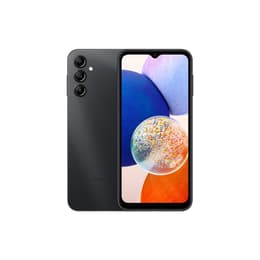
Galaxy A14
Galaxy A14
Starting at

Refurbished price:£82.00

Versus £269.00 new

See options
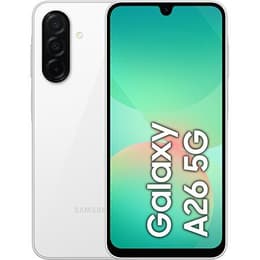
Galaxy A26
Galaxy A26
Starting at

Refurbished price:£152.00

Versus £419.55 new

See options

Ratings

The Samsung Galaxy A14, released in January 2023, and the Samsung Galaxy A26, launched in March 2025, represent different generations within Samsung's accessible A-series smartphone lineup. While both devices aim to provide essential smartphone functionalities, the newer Galaxy A26 introduces several enhancements in display technology, camera capabilities, and software longevity. Both operate on the Android platform, offering a familiar user experience with Samsung's One UI.

Scores

Durability

When considering the long-term usability of these devices, their release timelines and software support policies are key differentiators.

  • Release Timeline: The Galaxy A14 was introduced in early 2023, making it a more established model, while the Galaxy A26 arrived in early 2025, benefiting from more recent hardware and software.
  • Software Longevity: The Galaxy A14 is expected to receive two major Android OS updates, reaching up to Android 15, and four years of security updates until 2027. In contrast, the Galaxy A26 offers a significantly extended commitment with six major Android OS updates and six years of security updates, ensuring a longer period of current software features and security protection.
  • Durability Features: The Galaxy A14 features a plastic back and frame with an unspecified glass front. The Galaxy A26 steps up with Corning Gorilla Glass Victus+ on both the front and back, coupled with a plastic frame, and includes an IP67 rating for dust and water resistance, offering enhanced protection against everyday elements.

Year of Release

2023

2024

Compatible with latest Update

No

Yes

OS

Android

Android

Foldable

No

No

Performance

The performance of both smartphones caters to daily usage, but the Galaxy A26 offers a more responsive experience due to its newer internal components.

  • Processing Power: The Galaxy A14 is equipped with a processor that handles routine tasks and light multitasking efficiently. The Galaxy A26 features a more capable processor, providing smoother operation for demanding applications, more fluid multitasking, and a generally more responsive user interface.
  • System Responsiveness: Users of the Galaxy A14 will find it suitable for web browsing, social media, and casual gaming. The Galaxy A26, with its enhanced processing capabilities, delivers a noticeably snappier experience across the system, making app launches quicker and transitions more seamless.
  • Storage and RAM: Both devices offer various configurations for RAM and internal storage, with the Galaxy A14 typically starting with 4GB RAM and 64GB storage, and the Galaxy A26 often starting with 6GB RAM and 128GB storage. Both support expandable storage via a microSD card.

Memory (GB)

4 GB

8 GB

Screen quality

The visual experience is a notable area of distinction, with the Galaxy A26 providing a more advanced display.

  • Display Technology: The Galaxy A14 features a 6.6-inch PLS LCD panel. The Galaxy A26 upgrades to a 6.7-inch Super AMOLED display, which typically offers deeper blacks, higher contrast, and more vibrant colors.
  • Refresh Rate: The Galaxy A14 has a 90Hz refresh rate, providing a smoother scrolling experience than standard 60Hz displays. The Galaxy A26 further enhances this with a 120Hz refresh rate, resulting in even more fluid animations and a more responsive feel during interactions.
  • Brightness and Clarity: Both phones offer Full HD+ resolution for clear visuals. The Galaxy A26's Super AMOLED display also boasts a higher peak brightness of 800 nits, improving visibility in bright outdoor conditions compared to the Galaxy A14's LCD panel.

Resolution

1080 x 2408

1080 x 2340

Audiovisual

Both smartphones are equipped with versatile camera systems, but the Galaxy A26 offers improvements in image processing and video capabilities.

  • Rear Camera System: Both devices feature a triple-camera setup with a 50 MP main sensor. The Galaxy A14 includes a 50 MP wide, 2 MP macro, and 2 MP depth sensor. The Galaxy A26 also has a 50 MP main camera, but it adds Optical Image Stabilization (OIS) for sharper photos and more stable videos, alongside an 8 MP ultrawide and a 2 MP macro lens.
  • Photography Performance: The Galaxy A14 captures clear everyday photos in good lighting. The Galaxy A26, with its OIS on the main sensor, is better equipped for low-light conditions and reduces blur from handshakes, leading to more consistent results.
  • Video Recording: The Galaxy A14 supports video recording up to 1080p at 30 frames per second. The Galaxy A26 elevates video capabilities by supporting 4K recording at 30 frames per second with its rear camera, offering greater detail and clarity for video content. Both have a 13 MP front camera for selfies and video calls.

Front camera

13 megapixels

13 megapixels

Miscellaneous

Beyond core specifications, several practical features contribute to the overall user experience of these devices.

  • Connectivity and Ports: Both phones support 5G connectivity and Wi-Fi 5. The Galaxy A14 includes a 3.5mm headphone jack, which is absent on the Galaxy A26. The Galaxy A26 features Bluetooth 5.3, a slight upgrade from the Galaxy A14's Bluetooth 5.2. Both utilize a USB-C 2.0 port for charging and data transfer.
  • Biometric Security: Both the Galaxy A14 and Galaxy A26 incorporate a side-mounted fingerprint sensor for secure and convenient unlocking.
  • Design and Handling: The Galaxy A14 measures 167.7 x 78 x 9.1 mm and weighs 201g. The Galaxy A26 is slightly more compact and thinner at 164 x 77.5 x 7.7 mm, though it is slightly heavier at 209g, which could be attributed to its more robust build materials.

Weight

201 g

197 g

Screen size (in)

6.6

6.5

Mobile network

4G

5G

SIM card

Dual Physical SIM

Dual Physical SIM

Carrier compatibility

Unlocked

Unlocked

The Samsung Galaxy A14 and Galaxy A26 cater to users with varying priorities, reflecting their respective positions in Samsung's product refresh cycle. The Galaxy A14, as an earlier model, provides a solid foundation for everyday smartphone use, offering reliable performance for essential tasks and a decent camera system. Its 90Hz LCD display and inclusion of a 3.5mm headphone jack might appeal to users who value these specific features and a more established device.

The Galaxy A26, being a newer iteration, brings significant upgrades that enhance the overall user experience. Its Super AMOLED 120Hz display offers a more vibrant and fluid visual experience, while the improved processor ensures smoother performance across applications. The addition of Optical Image Stabilization (OIS) to the main camera and 4K video recording capabilities makes it a more compelling choice for photography and videography enthusiasts. Furthermore, its extended software support and IP67 water and dust resistance contribute to a longer and more durable lifespan.

Users prioritizing a more modern display, enhanced camera features, and a longer software support window will find the Galaxy A26 better suited to their needs. Those seeking a functional device for basic tasks, who might also appreciate the presence of a traditional headphone jack, could still find the Galaxy A14 to be a practical option. Both models, especially when considering quality-assured refurbished options, offer an eco-friendly alternative for consumers looking to make informed and sustainable choices.
See all articles

Our recent comparisons