Compare models
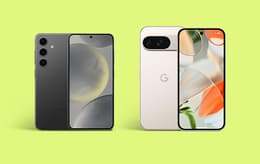
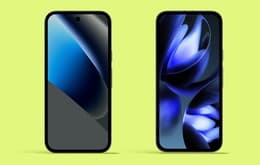
Google Pixel 9 Pro Vs iPhone Air
- 1-year minimum warranty
- Free delivery on all items
- Free 30-day returns
Differences at a glance
The Google Pixel 9 Pro (2024) and the iPhone Air (2025) represent two distinct approaches to modern smartphone design, prioritizing multi-lens versatility and compact ergonomics versus a remarkably slim, lightweight profile. While they operate on different software platforms with distinct interfaces, both devices offer high-end processing power and bright, responsive displays tailored to daily connectivity and media tasks.
Available Models
Colour
Storage (GB)
Scores
Durability
Both devices are built with durable materials and receive extended software support schedules, though their physical construction and update timelines reflect different launch years.
- Software Support: The Google Pixel 9 Pro offers multi-year operating system upgrades, while the iPhone Air benefits from Apple's long-standing tradition of timely system updates across several years.
- Repairability: Both manufacturers provide structured repair paths and diagnostic services, helping extend the practical usability window of each device over time.
- Expected Lifespan: Robust internal components ensure that both smartphones maintain reliable day-to-day functionality for years under normal usage conditions.
Year of Release
2024
2025
Compatible with latest Update
Yes
Yes
OS
Android
iOS
Foldable
No
No
Performance
System responsiveness and everyday multitasking capabilities remain strong across both models, though they handle background tasks and thermal management through different hardware configurations.
- Multitasking and Apps: Both devices load demanding applications quickly and switch between multiple open programs smoothly without noticeable stutter.
- Storage Configurations: Multiple internal storage tiers are available to accommodate large photo libraries, downloaded media, and offline documents.
- Battery Behavior: Battery endurance varies based on daily habits, with both models designed to last through a typical workday of mixed web browsing, messaging, and media streaming.
Screen quality
Viewing experiences on both handsets feature advanced display panels that deliver sharp details and smooth motion for daily viewing.
- Display Technology: Both models utilize vibrant OLED panels that produce deep blacks, high contrast ratios, and accurate color reproduction.
- Outdoor Visibility: High peak brightness levels allow contents on the screen to remain legible even under direct sunlight or bright outdoor lighting.
- Refresh Rate: High refresh rate support ensures fluid scrolling through web pages, social media feeds, and user interfaces.
Resolution
1280 x 2856
2736x1260
Screen type
LTPO OLED
Super Retina XDR
Audiovisual
Photography and video capture configurations differ significantly in lens versatility, catering to varied imaging preferences.
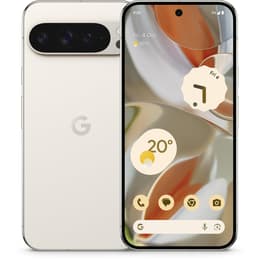
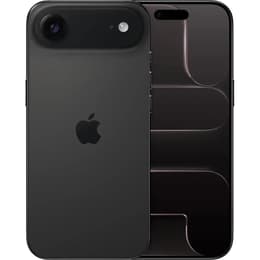
- Camera Systems: The Google Pixel 9 Pro features a versatile triple-lens rear camera setup including specialized zoom capabilities, whereas the iPhone Air utilizes a streamlined single-lens system focused on core everyday photography.
- Video and Audio: Both models record stable, high-resolution video with clear audio capture from built-in microphone arrays suitable for calls and casual recording.
- Media Consumption: Built-in speaker systems deliver clear audio output for hands-free calls, podcasts, and video playback.
Main camera
50 megapixels
48 megapixels
Front camera
42 megapixels
18 megapixels
Miscellaneous
Physical dimensions and connectivity options shape how each device fits into travel routines and daily handling.
- Connectivity: Both smartphones support modern 5G cellular networks, fast Wi-Fi standards, and near-field communication for contactless payments.
- Build and Handling: The Google Pixel 9 Pro features a traditional, sturdy chassis with a textured rear finish, while the iPhone Air emphasizes an ultra-slim profile and lightweight titanium construction.
- Security and Ports: Secure biometric authentication is handled via facial recognition or under-display fingerprint sensors, with standard USB-C ports used for wired charging and data transfer.
Weight
199 g
165 g
Screen size (in)
6.3
6.5
Mobile network
5G
5G
SIM card
Physical SIM + eSIM
eSIM
Carrier compatibility
Unlocked
Unlocked
Connector
USB-C
USB-C
What the community thinks
User discussions and community feedback indicate that buyers appreciate the Google Pixel 9 Pro for its comprehensive multi-lens camera system and deep integration of artificial intelligence features. At the same time, community members frequently praise the iPhone Air for its exceptionally thin profile, lightweight feel in the hand, and smooth ecosystem integration. Some users note that the single-lens camera on the slim Apple model offers less optical zoom flexibility compared to traditional multi-lens flagships.
Users who prioritize advanced telephoto photography and extensive multitasking headroom may find the Google Pixel 9 Pro well-suited to their daily routine. Conversely, individuals who value a featherlight pocket footprint, minimalist styling, and streamlined daily performance will likely lean toward the iPhone Air. Choosing a quality-assured refurbished option through Back Market offers an eco-friendly alternative that supports sustainable technology consumption without compromising on performance or reliability. Ultimately, the right choice depends on whether physical slimness or camera versatility takes priority in daily usage.