Google Pixel 9 Pro XL Vs iPhone 13

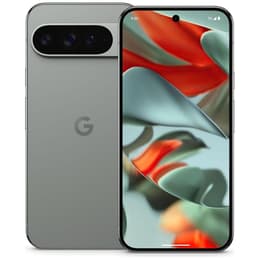
Google Pixel 9 Pro XL
Starting at

Refurbished price:£339.00

Versus £1,000.63 new

See options
iPhone 13
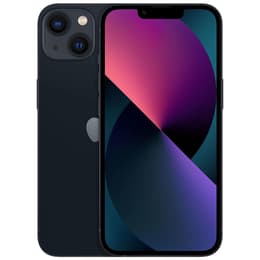
iPhone 13
Starting at

Refurbished price:£191.84

Versus £599.00 new

See options

Ratings

The Google Pixel 9 Pro XL (2024) and the iPhone 13 (2021) represent two different eras of smartphone technology, catering to distinct user preferences within the Android and iOS ecosystems. While the Pixel 9 Pro XL is a modern, large-format flagship with an emphasis on integrated intelligence and expansive hardware, the iPhone 13 remains a widely used, compact device known for its reliable performance and straightforward user experience. These smartphones differ significantly in their physical dimensions, display capabilities, and the longevity of their software support cycles.

Scores

Durability

The gap in release dates between these two devices significantly influences their expected functional lifespan and software support timelines.

  • Software Longevity: The Pixel 9 Pro XL was launched with a commitment to seven years of operating system and security updates, meaning it is designed to remain current until 2031. In contrast, the iPhone 13, released in 2021, typically follows the standard lifecycle where software support continues for approximately six to seven years from the launch date, suggesting its update cycle may conclude sooner.
  • Physical Resilience and Repair: Both manufacturers have made strides in repairability, offering official parts and guides for common fixes like screen or battery replacements. The Pixel 9 Pro XL features modern glass and metal construction designed for durability, while the iPhone 13 uses a ceramic-based front cover to help protect against accidental drops during daily handling.
  • Long-term Utility: Users looking for a device that will receive the latest features and security patches well into the next decade will find the newer model more aligned with those needs, whereas the older model serves those who prefer a proven, stable platform for the next few years.

Year of Release

2024

2021

Compatible with latest Update

Yes

Yes

OS

Android

iOS

Foldable

No

No

Performance

Performance on these devices is shaped by their internal memory and how their respective operating systems manage background tasks and demanding applications.

  • Multitasking and Memory: The Pixel 9 Pro XL is equipped with a high amount of system memory, which allows it to keep numerous applications open simultaneously without needing to reload them. This makes it well-suited for power users who frequently switch between intensive tasks. The iPhone 13 operates with less system memory but utilises efficient software management to ensure that daily interactions remain fluid and responsive for the average user.
  • Daily Responsiveness: Both devices handle standard activities such as web browsing, social media, and video streaming with ease. The newer hardware in the Pixel 9 Pro XL provides performance headroom for future software, while the iPhone 13 offers a snappy experience for current applications despite its age.
  • Battery Endurance: The larger physical size of the Pixel 9 Pro XL allows for a higher-capacity battery that supports extended use throughout a full day of heavy activity. The iPhone 13, being more compact, has a smaller battery but benefits from an efficient system that manages power consumption effectively for moderate daily use.

Memory (GB)

16 GB

4 GB

Screen quality

The viewing experience differs greatly between these two models due to advancements in display technology and significant differences in screen real estate.

  • Display Fluidity and Size: The Pixel 9 Pro XL features a large 6.8-inch display with an adaptive refresh rate that reaches 120Hz, resulting in smooth scrolling and animations. The iPhone 13 uses a 6.1-inch display with a standard 60Hz refresh rate, which provides a clear and consistent image but lacks the heightened fluid motion found on the newer, faster-refreshing screen.
  • Brightness and Outdoor Clarity: For users who frequently use their phones in direct sunlight, the Pixel 9 Pro XL offers significantly higher peak brightness levels, ensuring the screen remains legible in bright environments. The iPhone 13 provides sufficient brightness for most indoor and outdoor conditions, though it may be harder to see under intense midday sun compared to the newer model.
  • Panel Technology: Both devices utilise OLED technology, which delivers deep blacks and vibrant colours. The Pixel 9 Pro XL uses a more advanced version of this technology that can adjust its power consumption based on the content being displayed, whereas the iPhone 13 uses a high-quality but more traditional fixed-rate panel.

Resolution

1344 x 2992

1170 x 2532

Screen type

LTPO OLED

Super Retina XDR OLED

Audiovisual

Camera systems and media playback capabilities have evolved considerably, with the newer model offering more versatility for photography enthusiasts.

  • Camera Versatility: The Pixel 9 Pro XL includes a triple-lens system featuring a dedicated telephoto lens for high-quality zoomed-in shots, alongside wide and ultra-wide options. The iPhone 13 utilises a dual-lens system that lacks a dedicated zoom lens, making it better suited for standard wide-angle photography and everyday snapshots rather than distant subjects.
  • Image Processing and Low Light: Both phones excel at capturing natural-looking photos in well-lit environments. In low-light situations, the Pixel 9 Pro XL uses modern computational techniques to brighten scenes and preserve detail, while the iPhone 13 provides reliable night mode performance that remains competitive for casual photography.
  • Video and Audio Output: The iPhone 13 is often noted for its consistent video recording quality and natural colour reproduction in films. Both devices feature stereo speakers that provide clear audio for media consumption, though the larger chassis of the Pixel 9 Pro XL allows for a slightly fuller sound profile during music or movie playback.

Main camera

50 megapixels

12 megapixels

Front camera

42 megapixels

12 megapixels

Miscellaneous

Practical features such as connectivity standards and physical ports play a major role in how these devices integrate into a user's existing ecosystem.

  • Connectivity and Ports: The Pixel 9 Pro XL supports the latest Wi-Fi 7 standards and 5G connectivity, and uses a universal USB-C port for charging and data transfer, offering broad compatibility with modern accessories. The iPhone 13 uses the proprietary Lightning port and supports Wi-Fi 6, which is still fast for most home networks but represents an older generation of connectivity.
  • Biometric Security: Users interact with these devices differently to unlock them; the iPhone 13 relies on facial recognition technology that works well in various lighting conditions. The Pixel 9 Pro XL offers both an under-display fingerprint sensor and facial recognition, giving users multiple ways to securely access their device.
  • Dimensions and Handling: There is a noticeable difference in weight and size, with the iPhone 13 being much lighter and easier to use with one hand. The Pixel 9 Pro XL is a substantial device that requires more effort to handle but provides a much larger canvas for reading and watching videos.

Weight

221 g

173 g

Width

7.66 cm

7,15 cm

Height

16.28 cm

13,676 cm

Depth

0.854 cm

0,75 cm

Screen size (in)

6.8

6.1

Mobile network

5G

5G

SIM card

Physical SIM + eSIM

Physical SIM + eSIM

Carrier compatibility

Unlocked

Unlocked

Connector

USB-C

Lightning

User feedback for the Google Pixel 9 Pro XL often highlights the expansive, fluid display and the versatility of the triple-camera system as standout features. Some users note that its large size can be cumbersome for those with smaller hands, but the long-term software support is frequently praised as a major benefit for longevity. On the other hand, the iPhone 13 is consistently lauded for its reliable performance, compact form factor, and the stability of its operating system. Common criticisms for the older model usually involve the lack of a high refresh rate screen and the absence of a dedicated zoom lens, which are standard on more modern flagships.

Choosing between these two depends largely on individual priorities regarding size and ecosystem. Users who prioritise a large, high-refresh-rate screen, advanced zoom photography, and the longest possible software support will likely find the Pixel 9 Pro XL more suitable for their needs. Conversely, users who prefer a compact, lightweight device that integrates seamlessly with other Apple products and provides a straightforward, reliable experience may lean toward the iPhone 13. For those looking to make a sustainable choice, selecting a quality-assured refurbished option is a practical way to extend the life of these capable devices. Both smartphones remain functional choices that serve different user needs effectively.

See all articles

Our recent comparisons