
Google Pixel 7A Vs Sony Xperia 1 IV

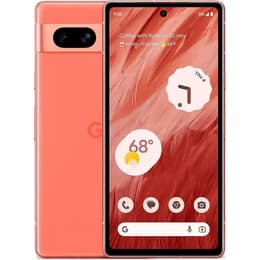
Google Pixel 7A
Google Pixel 7A
Starting at

Refurbished price:£128.00

Versus £649.99 new

See options
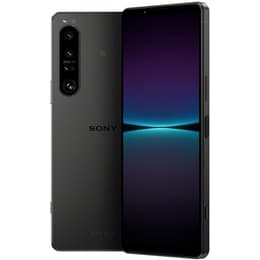
Sony Xperia 1 IV
Sony Xperia 1 IV
Starting at

Refurbished price:£347.00

Versus £1,500.00 new

See options

Ratings

The Google Pixel 7a, released in May 2023, and the Sony Xperia 1 IV, launched in June 2022, are distinct Android smartphones offering different user experiences. While both operate on the Android platform, they cater to varying priorities, with the Pixel 7a focusing on accessible smart features and computational photography, and the Xperia 1 IV emphasizing advanced multimedia capabilities and manual control for creators. These differences extend across their design, internal hardware, and overall functionality.

Scores

Durability

The longevity of a smartphone is influenced by its physical resilience and the duration of software support it receives. Both devices offer robust build qualities, but their update policies and repairability aspects present some distinctions.

  • Software Support: The Google Pixel 7a is expected to receive OS and security updates until at least May 2028, offering a longer period of official software support. The Sony Xperia 1 IV, released earlier, typically receives two years of OS updates and three years of security updates.
  • Physical Durability: The Pixel 7a features Corning Gorilla Glass 3 on the front and an IP67 rating for dust and water resistance. The Sony Xperia 1 IV comes with Gorilla Glass Victus on both the front and back, along with an IP65/IP68 rating for enhanced water and dust protection. User reports suggest the Pixel 7a demonstrates good resilience in durability tests.
  • Repairability: The Pixel 7a initially received a repairability score of 4/10, which was later upgraded to 5/10 after Google provided comprehensive service manuals and made them available to users. Information regarding the specific repairability score for the Sony Xperia 1 IV is less readily available, though Sony does offer parts for repair.

Year of Release

2023

2022

Compatible with latest Update

Yes

No

OS

Android

Android

Foldable

No

No

Performance

Evaluating smartphone performance involves looking beyond raw specifications to understand how devices handle daily tasks, demanding applications, and multitasking scenarios.

  • Processing Power: The Google Pixel 7a is equipped with a Google Tensor G2 system on a chip, which provides smooth operation for everyday applications, efficient AI-driven features, and capable handling of moderate gaming. The Sony Xperia 1 IV is powered by a high-end processor, delivering robust performance for intensive tasks, advanced gaming, and professional-grade applications.
  • Memory and Storage: The Pixel 7a typically comes with 8 GB of RAM and 128 GB of internal storage, which is not expandable. The Xperia 1 IV offers 12 GB of RAM and storage options of 256 GB or 512 GB, with the added flexibility of expandable storage via a microSDXC card.
  • System Responsiveness: Both devices offer a responsive user experience. The Pixel 7a's integrated hardware and software are optimized for fluid navigation and quick app launches. The Xperia 1 IV's powerful components ensure rapid processing and seamless transitions, particularly beneficial for users engaging in heavy multitasking or content creation.

Memory (GB)

8 GB

12 GB

Screen quality

The display is a primary interface for smartphone interaction, and both the Pixel 7a and Xperia 1 IV offer distinct visual experiences tailored to different user preferences.

  • Display Technology and Resolution: The Google Pixel 7a features a 6.1-inch OLED display with a 2400 x 1080 pixel resolution, providing clear visuals and deep blacks. The Sony Xperia 1 IV boasts a larger 6.5-inch 4K HDR OLED display with a resolution of 3840 x 1644 pixels, offering exceptional detail and clarity, particularly for high-resolution content.
  • Refresh Rate and Brightness: The Pixel 7a's screen has a 90 Hz refresh rate, contributing to smoother scrolling and a more fluid visual experience. The Xperia 1 IV features a 120 Hz refresh rate, enhancing motion smoothness even further. The Xperia 1 IV's display is also noted for being significantly brighter than its predecessor, improving outdoor visibility.
  • Viewing Experience: The Pixel 7a provides a vibrant and sharp display suitable for everyday media consumption and general use. The Xperia 1 IV's 4K resolution and 21:9 aspect ratio are designed to offer a cinematic viewing experience, making it particularly appealing for watching movies and high-quality video content.

Resolution

1080 x 2400

1644 x 3840

Screen type

OLED

OLED

Audiovisual

Camera capabilities are a significant factor for many smartphone users, and both the Pixel 7a and Xperia 1 IV approach photography and videography with different philosophies.

  • Rear Camera System: The Google Pixel 7a features a dual-camera setup with a 64 MP main sensor and a 13 MP ultrawide sensor. It leverages Google's computational photography for excellent image processing, particularly in everyday and low-light conditions, and offers features like Super Res Zoom and faster Night Sight. The Sony Xperia 1 IV has a triple 12 MP camera system, including wide, ultrawide, and a unique continuous optical zoom telephoto lens (85mm-125mm). Sony emphasizes manual controls and features derived from its Alpha camera line, such as real-time Eye AF for humans and animals, and 20fps burst shooting.
  • Video Recording: The Pixel 7a supports 4K video recording at up to 60 frames per second (fps) on its main camera and 4K at 30fps on the ultrawide and front cameras. The Xperia 1 IV excels in video, offering 4K HDR video recording at up to 120fps across all three rear lenses, catering to professional videographers and content creators.
  • Audio and Front Camera: The Pixel 7a includes a 13 MP front camera capable of 4K 30fps video. The Xperia 1 IV also features a 12 MP front camera that supports 4K video recording. For audio, the Xperia 1 IV stands out with front-firing stereo speakers and a 3.5mm headphone jack, supporting Hi-Res Audio.

Main camera

64 megapixels

12 megapixels

Front camera

13 megapixels

12 megapixels

Miscellaneous

Beyond the core features, several practical elements contribute to the overall user experience and differentiate these two smartphones.

  • Connectivity and Ports: Both devices support 5G connectivity. The Google Pixel 7a includes Wi-Fi 6E and Bluetooth 5.3, along with a USB-C 3.2 port. The Sony Xperia 1 IV features Wi-Fi 6 and Bluetooth 5.2, also with a USB-C port. A notable difference is the inclusion of a 3.5mm headphone jack on the Xperia 1 IV, which is absent on the Pixel 7a.
  • Biometric Security and Design: The Pixel 7a incorporates an under-display fingerprint sensor and offers face unlock. The Xperia 1 IV uses a side-mounted fingerprint sensor. In terms of physical attributes, the Pixel 7a weighs 193.5g and has dimensions of 152 x 72.9 x 9 mm. The Xperia 1 IV is slightly lighter at 185g and measures 165 x 71 x 8.2 mm, presenting a taller and narrower form factor.
  • Battery and Charging: The Pixel 7a has a 4385 mAh battery with 18W wired charging and 7.5W wireless charging. The Xperia 1 IV comes with a larger 5000 mAh battery, supporting 30W wired fast charging, 15W wireless charging, and reverse wireless charging.

Weight

193 g

185 g

Screen size (in)

6.1

6,5

Mobile network

5G

5G

SIM card

Physical SIM + eSIM

Physical SIM + eSIM

Carrier compatibility

Unlocked

Unlocked

The Google Pixel 7a and Sony Xperia 1 IV cater to distinct user needs, each excelling in different areas. User sentiment often praises the Pixel 7a for its consistent camera performance, particularly its ability to produce high-quality photos with minimal effort, and its clean Android experience with timely updates. Some common criticisms for the Pixel 7a include its charging speeds and the lack of expandable storage.

The Sony Xperia 1 IV is frequently lauded by users who appreciate its unique 4K display, the inclusion of a 3.5mm headphone jack, and its advanced camera system that offers extensive manual controls, appealing to photography and videography enthusiasts. However, some users have noted that its battery life can be less than ideal, especially with heavy use of the high-resolution display.

Users prioritizing a straightforward, intelligent camera experience and a long software support window for general daily use will find the Google Pixel 7a well-suited to their needs. Its compact size and optimized performance for common tasks make it a practical choice. Conversely, users who value a high-resolution cinematic display, advanced manual camera controls for creative pursuits, and expandable storage will likely lean towards the Sony Xperia 1 IV. Its focus on multimedia creation and consumption offers a more specialized experience.

For those considering either device, exploring quality-assured refurbished options can provide an eco-friendly alternative to access these technologies.


See all articles

Our recent comparisons