
Compare models
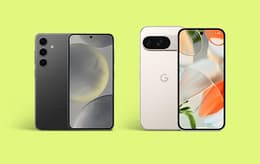
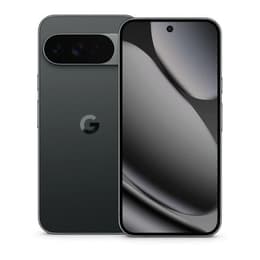
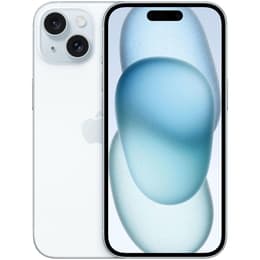
Google Pixel 10 Pro XL Vs iPhone 15
- 1-year minimum warranty
- Free delivery on all items
- Free 30-day returns
Differences at a glance
The Google Pixel 10 Pro XL (2025) and the iPhone 15 (2023) represent two distinct approaches to contemporary smartphone design and software ecosystems. While the Google Pixel 10 Pro XL targets users seeking a larger screen and advanced software-driven features, the iPhone 15 offers a streamlined experience within Apple's established ecosystem. They differ primarily in display size, camera versatility, and operating system preferences, with Google running Android and Apple utilizing iOS.
Choosing between these devices depends on how you interact with your phone daily, whether you prefer larger workspace dimensions or a more compact form factor, and your preference for mobile software interfaces.
Available Models
Colour
Storage
Scores
Durability
Evaluating the longevity of these two smartphones involves looking at their release timelines, software update support windows, and overall build resilience over time.
- Software Support Longevity: The Google Pixel 10 Pro XL benefits from a multi-year update commitment from its release date, ensuring long-term feature and security updates. The iPhone 15 follows Apple's established pattern of extended software support, typically receiving operating system updates for many years after launch.
- Repairability and Build Resilience: Both manufacturers employ durable frame materials and reinforced glass fronts designed to withstand daily wear and tear. Choosing a quality-assured refurbished option from Back Market provides a sustainable path to acquiring either device while extending hardware lifecycles.
Year of Release
2025
2023
Compatible with latest Update
Yes
Yes
OS
Android
iOS
Foldable
No
No
Performance
Underneath the exterior, both devices manage everyday computing tasks, intensive applications, and system multitasking through efficient internal hardware and optimized software.
- App Loading and Multitasking: Both smartphones handle demanding mobile games, social media applications, and background tasks smoothly without noticeable stutter. RAM configurations and processor optimizations ensure rapid switching between multiple open applications.
- Battery Behavior: The Google Pixel 10 Pro XL features a larger physical footprint that accommodates a higher-capacity battery for extended daily usage, while the iPhone 15 relies on power-efficient hardware architecture to last through standard daily routines on a single charge.
Screen quality
Display characteristics shape the primary interaction point for media consumption, reading, and navigation on both smartphones.
- Display Technology and Clarity: The Google Pixel 10 Pro XL incorporates a large OLED panel with high pixel density and fluid refresh rates for smooth scrolling. The iPhone 15 utilizes a compact OLED screen delivering sharp text reproduction and deep contrast ratios for everyday viewing.
- Outdoor Brightness: Both screens reach high peak luminance levels, ensuring that content remains legible under direct sunlight or bright ambient lighting conditions.
Resolution
1344x2992
1179 x 2556
Audiovisual
Imaging hardware and computational processing dictate how each device captures photographs, records video, and handles media playback.
- Camera System Versatility: The Google Pixel 10 Pro XL equips a triple-lens rear array including a dedicated telephoto lens for distant subjects, alongside advanced computational photography features. The iPhone 15 relies on a dual-lens setup that captures crisp everyday images and handles low-light scenarios reliably through image processing.
- Video and Audio Output: Both devices record stable, high-resolution video footage with clear stereo sound capture. Integrated stereo speakers deliver balanced audio output for podcasts, calls, and casual video viewing.
Front camera
42 megapixels
12 megapixels
Miscellaneous
Practical daily usability is influenced by connectivity standards, physical dimensions, and interface ports.
- Connectivity and Ports: Both models support current-generation 5G networks, modern Wi-Fi standards, and Bluetooth connectivity. The iPhone 15 utilizes a universal USB-C port for charging and data transfer, aligning with current industry standards.
- Handling and Biometrics: The Google Pixel 10 Pro XL offers a larger physical workspace suited for media consumption, while the iPhone 15 provides a lighter, more compact build for single-handed navigation. Both devices incorporate secure biometric authentication methods for rapid unlocking.
Weight
232 g
171 g
Screen size (in)
6.8
6.1
Mobile network
5G
5G
SIM card
Physical SIM + eSIM
Physical SIM + eSIM
Carrier compatibility
Unlocked
Unlocked
Connector
USB-C
USB-C (USB 2)
What the community thinks
User feedback from online communities highlights distinct preferences for each device based on practical everyday usage. Owners of the Google Pixel 10 Pro XL frequently praise its expansive display estate, flexible multi-lens camera setup, and deep integration of artificial intelligence tools for daily organization. Conversely, iPhone 15 users often commend its reliable battery efficiency, comfortable one-handed handling, and the seamless continuity features offered by the iOS ecosystem.
Users prioritizing a larger viewing area, versatile long-range photography, and deep customization will find the Google Pixel 10 Pro XL well-suited to their workflow. Meanwhile, users preferring a compact physical footprint, straightforward software navigation, and ecosystem integration may lean toward the iPhone 15. Evaluating these core differences ensures a choice that aligns with your specific daily requirements, and exploring a sustainable choice through Back Market offers a reliable way to purchase either device with verified quality assurance.