
iPhones
Compare models
Differences at a glance
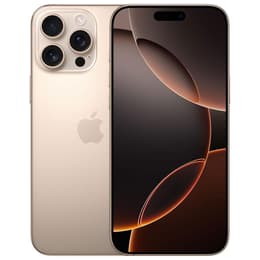
The Google Pixel 9a, released in April 2025, and the iPhone 16 Pro Max, launched in September 2024, represent distinct approaches to smartphone design and functionality. While the Pixel 9a offers a compelling mid-range Android experience with a strong focus on AI and computational photography, the iPhone 16 Pro Max stands as Apple's flagship, delivering top-tier performance, an advanced camera system, and a premium iOS ecosystem. The primary differences lie in their operating systems, overall performance capabilities, and camera hardware, catering to different user priorities.
Colour
Storage
When considering the longevity of these devices, both the Pixel 9a and the iPhone 16 Pro Max offer substantial software support, ensuring users can rely on them for an extended period.
Year of Release
Compatible with latest Update
Foldable
The performance of the Pixel 9a and iPhone 16 Pro Max reflects their different market segments, with the iPhone offering a more powerful experience for demanding tasks.
Both devices feature high-quality OLED displays, but the iPhone 16 Pro Max offers a larger screen with slightly higher resolution and advanced refresh rate technology.
Resolution
Both smartphones are known for their camera capabilities, with the iPhone 16 Pro Max offering a more versatile hardware setup and the Pixel 9a excelling in computational photography.
Front camera
Beyond core features, several practical elements differentiate the user experience between these two devices.
Weight
Screen size (in)
Mobile network
SIM card
Carrier compatibility
Connector
The Google Pixel 9a and iPhone 16 Pro Max cater to different user needs and preferences, each excelling in its respective domain. User feedback for the iPhone 16 Pro Max often praises its exceptional battery life, with many reporting it lasts for two days or more on a single charge, and its powerful performance for demanding tasks. The display is also frequently highlighted for its size and quality. Some users, however, note that the camera, while excellent, might not represent a significant leap over its predecessor in all aspects, and its large size can be a consideration for one-handed use.
For the Pixel 9a, common praise points include its strong camera performance, particularly its computational photography and new macro capabilities, and its impressive seven years of software updates. Its battery life is also frequently cited as a major advantage. Criticisms sometimes point to its low-light video performance and the ultrawide camera not always matching the main sensor's quality.
Users prioritizing a large, premium display, top-tier raw performance for gaming and intensive applications, and industry-leading video capabilities will find the iPhone 16 Pro Max well-suited to their needs. Conversely, users who value an excellent camera experience driven by AI, extended software support, and a more compact form factor with a strong battery life will lean towards the Google Pixel 9a. Both devices offer a quality-assured refurbished option, providing an eco-friendly alternative for consumers seeking to make informed and sustainable choices.