
Compare models
Galaxy Z Flip7 Vs Google Pixel 8
- 1-year minimum warranty
- Free delivery on all items
- Free 30-day returns
Differences at a glance
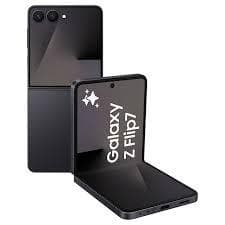
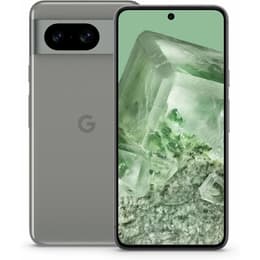
The Samsung Galaxy Z Flip7 (2025) and the Google Pixel 8 (2023) represent two distinct approaches to modern smartphone engineering. While the Galaxy Z Flip7 introduces an innovative foldable clamshell design with an expanded outer screen, the Google Pixel 8 opts for a traditional, pocket-friendly slate form factor backed by deep software integration. Both devices run on the Android operating system, though they deliver unique user interfaces tailored to their respective hardware layouts.
Available Models
Colour
Storage (GB)
Scores
Durability
Evaluating the lifespan and durability of these devices involves looking at their release timelines, software update commitments, and structural build designs.
- Release Timeline and Software Support: The Google Pixel 8 launched in late 2023 with an extensive seven-year software support commitment, while the newer Galaxy Z Flip7 arrived in mid-2025 with its own long-term update schedule, ensuring modern software features for years to come.
- Structural Build and Repairability: The Pixel 8 uses a traditional rigid glass and aluminum slab structure, whereas the Galaxy Z Flip7 features a complex folding mechanism and flexible inner display that requires careful handling, though both incorporate durable outer glass panels.
- Expected Practical Lifespan: Both smartphones are built to remain functional and secure for many years, with traditional slab designs generally withstanding accidental drops with fewer mechanical vulnerabilities than folding counterparts.
Year of Release
2025
2023
Performance
Daily speed, multitasking capability, and battery endurance vary significantly based on how each device manages its internal resources.
- Storage and Multitasking: The Galaxy Z Flip7 provides higher baseline storage configurations paired with ample memory for smooth app switching, while the Pixel 8 offers standard storage tiers suited for everyday media and application needs.
- System Responsiveness: Both devices handle daily tasks, web browsing, and demanding applications smoothly, though intensive multi-app workflows and extended gaming sessions benefit from the current-generation processing architecture found in the newer flip model.
- Battery Behavior: The Pixel 8 manages power efficiently for a full day of standard use with its traditional battery capacity, while the Galaxy Z Flip7 distributes power across two separate screens, meaning heavy usage of the larger outer display requires more frequent charging.
Screen quality
The viewing experience differs profoundly between a flexible folding screen and a conventional flat panel display format.
- Display Technology: The Galaxy Z Flip7 offers a large folding organic light-emitting panel alongside a functional outer cover screen for quick interactions, whereas the Pixel 8 features a standard flat display with deep contrast and vivid color reproduction.
- Outdoor Visibility and Brightness: Both screens reach high peak brightness levels, ensuring that text and images remain legible even under direct sunlight.
- Refresh Rate and Smoothness: Both devices support high refresh rates up to 120Hz, delivering fluid scrolling through menus, web pages, and supported applications.
Audiovisual
Photography and media capture capabilities cater to different creative preferences through distinct hardware and software combinations.
- Camera System Capabilities: Both phones feature high-resolution main sensors accompanied by ultra-wide lenses for landscape and group photography, omitting dedicated telephoto hardware in favor of digital zoom.
- Low-Light and Everyday Performance: The Pixel 8 relies heavily on advanced computational photography algorithms to deliver balanced low-light shots, while the Galaxy Z Flip7 utilizes its folding design to enable unique angles and hands-free tripod-style shooting.
- Audio and Media Consumption: Both models include stereo speakers that produce clear sound for calls and video playback, though neither features a traditional headphone jack.
Miscellaneous
Practical everyday features, connectivity standards, and physical dimensions shape how comfortably each device fits into daily routines.
- Connectivity and Ports: Both devices support 5G networks, modern Wi-Fi standards, and Bluetooth connectivity, relying exclusively on reversible USB-C ports for charging and wired data transfer.
- Security Sensors: Each smartphone utilizes biometric authentication, offering facial recognition alongside fingerprint sensors integrated cleanly into the physical layout.
- Handling and Dimensions: The Pixel 8 offers a conventional, lightweight slab profile that slips easily into pockets, while the Galaxy Z Flip7 folds cleanly in half to occupy half the vertical pocket space, trading a slightly heavier feel for enhanced portability.
Screen size (in)
6.9
6,2
Mobile network
5G
5G
SIM card
Physical SIM + eSIM
Physical SIM + eSIM
Carrier compatibility
Unlocked
Unlocked
Connector
USB-C
USB-C
What the community thinks
Users navigating these options often praise the Google Pixel 8 for its reliable everyday performance, clean software interface, and comfortable single-handed design, though some note that its battery life can feel average during heavy navigation use. Conversely, owners of the Galaxy Z Flip7 frequently highlight its compact folded footprint and versatile cover screen functionality, while occasionally expressing mindfulness regarding the delicate nature of folding screens.
Users prioritizing pocket portability and innovative screen formats may prefer the Galaxy Z Flip7, while users focusing on a traditional, ergonomic phone layout with long-term software support lean toward the Pixel 8. Exploring a quality-assured refurbished option provides an eco-friendly alternative for acquiring either device while supporting sustainable technology choices. Ultimately, the right choice depends entirely on whether a folding clamshell or a standard slate format best matches your daily routine.