
Compare models

Galaxy Z Flip6 Vs iPhone 17 Pro

  • 1-year minimum warranty
  • Free delivery on all items
  • Free 30-day returns
Galaxy Z Flip6
Starting at

Refurbished price:£295.00

Versus £1,011.35 new

See options
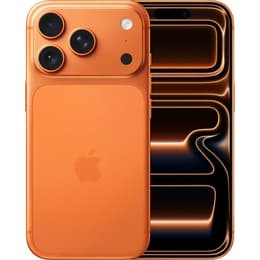
iPhone 17 Pro
Starting at

Refurbished price:£947.75

Versus £1,099.00 new

See options

Differences at a glance

The Samsung Galaxy Z Flip6 (2024) and the iPhone 17 Pro (2025) represent two distinct approaches to modern smartphone design, contrasting a folding form factor with a traditional slate layout. While both devices operate at the high end of their respective mobile ecosystems, they cater to very different mechanical and user preferences. The Galaxy Z Flip6 runs on the Android operating system with custom interface features tailored for foldable screens, whereas the iPhone 17 Pro utilizes Apple's iOS platform. Choosing between them depends largely on how physical design and software integration fit into daily routines.

Available Models

Colour

Storage (GB)

Scores

Durability

When examining hardware longevity and software support, both devices offer robust structures designed for multi-year ownership, though their physical construction introduces unique maintenance considerations.

  • Software support timelines: Both manufacturers provide long-term operating system updates and security patches, ensuring the software remains current for many years following release.
  • Repairability and physical resilience: The iPhone 17 Pro utilizes a traditional rigid chassis with advanced drop resistance, while the Galaxy Z Flip6 incorporates a complex folding hinge mechanism that requires careful handling over extended periods of daily use.
  • Expected practical lifespan: Users can anticipate several years of reliable performance from both models, though rigid slate devices typically present fewer mechanical variables over prolonged cycles.

Year of Release

2024

2025

Compatible with latest Update

Yes

Yes

OS

Android

iOS

Foldable

Yes

No

Performance

Both smartphones handle demanding tasks, multitasking, and resource-intensive applications smoothly, but they manage system resources and battery behavior differently under load.

  • Multitasking and everyday speed: Each device switches between multiple open applications and loads demanding software quickly, supported by ample memory configurations.
  • Battery behavior and daily endurance: The iPhone 17 Pro generally sustains power through a full day of mixed use, whereas the Galaxy Z Flip6 features a smaller physical battery capacity due to its folding profile, leading to more frequent charging intervals for heavy users.
  • Storage capacity choices: Both models offer multiple tiers of internal storage to accommodate large media libraries and application data without external expansion slots.

Screen quality

Display technology differs significantly between these two models, primarily due to the folding capability of the Samsung device versus the rigid glass panel of the Apple competitor.

  • Display panels and visual clarity: Both models feature advanced organic light-emitting diode technology that delivers deep black levels and vibrant color reproduction, though the Galaxy Z Flip6 features a visible crease across the folding main screen.
  • Outdoor visibility and brightness: Each screen reaches high peak brightness levels, allowing content to remain legible under direct sunlight or bright ambient lighting conditions.
  • Refresh rate and interface smoothness: High refresh rate support ensures that scrolling through web pages and animations appears fluid on both devices.

Resolution

1080 x 2640

2622x1206

Screen type

Foldable Dynamic LTPO AMOLED 2X

Super Retina XDR

Audiovisual

Multimedia capture and audio output capabilities vary to accommodate different hardware configurations and optical preferences.

  • Camera system versatility: The iPhone 17 Pro equips a comprehensive multi-lens array including a dedicated telephoto zoom lens, while the Galaxy Z Flip6 relies on a dual-camera system that benefits from flexible angles enabled by the folding frame.
  • Video recording and low-light performance: Both devices capture detailed video footage with stabilization features and perform reliably in dim environments, though specialized zoom capabilities favor the rigid pro model.
  • Media consumption and audio output: Stereo speakers on both smartphones deliver clear sound for hands-free calls and casual video playback, supplemented by quality-assured refurbished options available on Back Market for eco-conscious buyers.

Main camera

50 megapixels

48 megapixels

Front camera

10 megapixels

18 megapixels

Miscellaneous

Physical dimensions, connectivity standards, and daily handling characteristics establish distinct ergonomic profiles for each device.

  • Form factor and handling: The Galaxy Z Flip6 folds in half to fit compactly into smaller pockets, while the iPhone 17 Pro maintains a standard rigid candy-bar footprint with premium metal and glass finishes.
  • Connectivity and ports: Both models support current wireless standards including fifth-generation cellular networks and fast Wi-Fi, utilizing modern reversible port standards for wired charging and data transfer.
  • Authentication sensors: The Samsung device integrates fingerprint recognition into the side power button alongside facial recognition, while the Apple device relies entirely on advanced facial mapping technology.

Weight

187 g

206 g

Screen size (in)

6.7

6.3

Mobile network

5G

5G

SIM card

Physical SIM + eSIM

Physical SIM + eSIM

Carrier compatibility

Unlocked

Unlocked

What the community thinks

User feedback highlights distinct preferences for each device across community forums. Owners of the Galaxy Z Flip6 frequently praise its compact folded size and unique utility for hands-free framing during photography, while some note concerns regarding battery endurance and the visibility of the screen crease. Conversely, users of the iPhone 17 Pro often highlight its reliable battery longevity, comprehensive camera zoom capabilities, and consistent build quality, though some mention the larger rigid pocket footprint as less convenient.

Users prioritizing pocket space, unique physical flexibility, and a customizable folding interface may prefer the Galaxy Z Flip6, while users prioritizing optical zoom versatility, extended battery endurance, and a traditional rigid design will likely lean toward the iPhone 17 Pro. Exploring a quality-assured refurbished option provides an eco-friendly alternative for acquiring either device while reducing electronic waste. Ultimately, the right choice depends on whether a folding mechanism or a traditional pro-grade camera setup better matches everyday habits.