
Compare models

Galaxy Z Flip5 Vs iPhone Air

  • 1-year minimum warranty
  • Free delivery on all items
  • Free 30-day returns
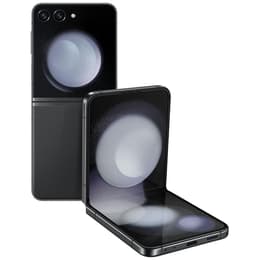
Galaxy Z Flip5
Starting at

Refurbished price:£249.00

Versus £1,112.50 new

See options
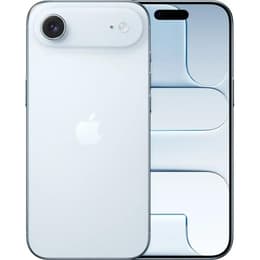
iPhone Air
Starting at

Refurbished price:£604.00

Versus £1,099.00 new

See options

Differences at a glance

The Samsung Galaxy Z Flip5 (2023) and the Apple iPhone Air (2025) represent two distinct philosophies in modern smartphone design, contrasting a folding clamshell body with an ultra-thin, rigid profile. While they serve daily communication and media needs, their physical form factors and operating ecosystems set them apart entirely. The Galaxy Z Flip5 operates on Android, whereas the iPhone Air runs iOS, delivering fundamentally different user experiences from software navigation to app integration.

Available Models

Colour

Storage

Scores

Durability

When examining longevity and structural upkeep, both devices approach physical wear and software support through different timelines and design choices.

  • Release timeline and support: The Galaxy Z Flip5 debuted in 2023, while the iPhone Air arrived in 2025, meaning the Apple model benefits from a more extended future software support window. Both platforms deliver regular security patches and operating system refreshes to maintain modern functionality over several years.
  • Build endurance and repairability: The iPhone Air utilizes a rigid titanium frame and scratch-resistant glass construction, whereas the Galaxy Z Flip5 relies on a folding display mechanism that requires careful handling over extended periods of use. Users exploring a sustainable choice can find quality-assured refurbished options for both models, extending device lifecycles effectively.
  • Expected practical lifespan: Both handsets offer robust processing capabilities designed to handle daily software requirements for years, though folding hinge components versus ultra-slim chassis designs present unique long-term wear considerations.

Year of Release

2023

2025

Compatible with latest Update

Yes

Yes

OS

Android

iOS

Foldable

Yes

No

Performance

Underneath their outer shells, both smartphones manage everyday tasks, application loading, and multitasking with high efficiency despite housing different internal architectures.

  • System responsiveness: Both devices switch between demanding applications, web browsing, and media streaming smoothly, ensuring minimal stutter during intensive daily workflows.
  • Multitasking and storage: Generous random access memory allocations allow background apps to remain active without constant reloading, and both models offer ample internal storage configurations for large media libraries.
  • Battery behavior: The iPhone Air utilizes power-efficient internal components to maintain a full day of typical mixed usage, while the Galaxy Z Flip5's compact foldable footprint accommodates a smaller cell that may require a top-up during heavy multitasking days.

Screen quality

Visual output is a primary differentiator, as each device employs distinct display technologies tailored to its physical construction.

  • Display technology: The Galaxy Z Flip5 features a flexible organic light-emitting diode internal screen paired with a functional outer cover display for quick notifications, whereas the iPhone Air offers a spacious, rigid organic light-emitting diode panel with high contrast and deep black levels.
  • Brightness and outdoor clarity: Both screens reach high peak brightness thresholds to ensure legible viewing under direct sunlight, supported by wide color reproduction for vivid media consumption.
  • Refresh rate and smoothness: Both models support dynamic high refresh rates up to 120Hz, resulting in fluid scrolling through web pages, documents, and user interfaces.

Resolution

1080 x 2640

2736x1260

Screen type

Foldable Dynamic AMOLED 2X

Super Retina XDR

Audiovisual

Photography and multimedia output cater to different styles of content capture and audio playback preferences.

  • Camera versatility: The iPhone Air focuses on a streamlined single high-resolution rear lens system backed by advanced computational photography, while the Galaxy Z Flip5 provides a dual rear camera setup that benefits from flexible folding angles for hands-free framing.
  • Low-light and video performance: Both phones capture clear details and balanced exposures in dim environments, delivering stable high-definition video recording with effective background noise reduction for audio.
  • Media consumption: Integrated stereo speaker arrays on both devices provide clear dialogue and balanced sound output for hands-free calls and casual video watching.

Main camera

12 megapixels

48 megapixels

Front camera

10 megapixels

18 megapixels

Miscellaneous

Practical daily usability is shaped by connectivity standards, physical dimensions, and handling characteristics.

  • Connectivity and ports: Both models support fast fifth-generation cellular networks, modern short-range wireless protocols, and universal USB-C ports for wired data transfer and charging.
  • Security and sensors: Biometric authentication is handled via secure facial recognition on the Apple device and a side-mounted fingerprint scanner on the Samsung foldable.
  • Dimensions and handling: The Galaxy Z Flip5 folds into a compact square that slips easily into small pockets, whereas the iPhone Air prioritizes an exceptionally thin and lightweight rigid profile that rests comfortably in one hand.

Weight

187 g

165 g

Screen size (in)

6.7

6.5

Mobile network

5G

5G

SIM card

Physical SIM + eSIM

eSIM

Carrier compatibility

Unlocked

Unlocked

What the community thinks

User feedback highlights distinct preferences for each device across community forums and daily usage reports. Owners of the Galaxy Z Flip5 frequently praise its compact pocketability and the convenience of the outer cover screen for handling quick tasks without opening the phone. At the same time, some users note that the folding crease remains visible and battery longevity is more constrained compared to traditional form factors. Conversely, users of the iPhone Air widely appreciate its remarkably thin, lightweight titanium build and vibrant display, though others point out that the single-camera layout offers less versatility than multi-lens alternatives.

When deciding between these two options, users prioritizing a compact, pocket-friendly folding design that minimizes footprint may prefer the Galaxy Z Flip5, while users prioritizing an exceptionally thin, lightweight rigid profile with extended software support will lean toward the iPhone Air. Evaluating these specific physical and software traits helps ensure the chosen device matches individual daily habits. For shoppers seeking an eco-friendly alternative, choosing a quality-assured refurbished model provides a sustainable path to acquiring either device without compromise.