Samsung
Compare models
Differences at a glance
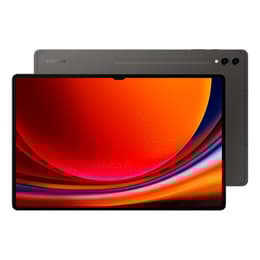
The Samsung Galaxy Tab S8 Ultra, released in early 2022, and its successor, the Galaxy Tab S9 Ultra, launched in mid-2023, represent Samsung's largest and most powerful Android tablets. While both devices share a similar expansive design and operate on the Android platform with Samsung's One UI, the newer S9 Ultra introduces refinements in processing power, display technology, and environmental resistance. This comparison will explore the practical differences between these two large-format tablets to help users determine which model best suits their needs.
Colour
Storage
When considering the long-term usability of these large tablets, both the Galaxy Tab S8 Ultra and S9 Ultra offer robust build quality and software support, though the newer model benefits from a slightly extended update timeline.
Year of Release
Compatible with latest Update
OS
The performance of a tablet significantly impacts its responsiveness and capability to handle demanding tasks. Both Ultra models offer high-end performance, but the generational leap brings notable improvements to the newer device.
The display is a central feature of these large tablets, offering an immersive visual experience for both productivity and entertainment.
Resolution
Screen type
Pixel density
While tablets are not typically primary photography devices, both Ultra models offer capable camera systems suitable for video calls, document scanning, and casual photography.
Beyond core performance and display, several practical elements contribute to the overall user experience and utility of these large tablets.
Weight
Screen size (in)
Network
Carrier compatibility
Connector
The Samsung Galaxy Tab S8 Ultra and S9 Ultra are both formidable large-screen Android tablets, each offering a compelling experience for users seeking expansive digital workspaces or immersive entertainment. User feedback for the Tab S8 Ultra often praises its stunning large AMOLED display, robust performance for its time, and solid build quality, making it a strong choice for productivity and media consumption. Some criticisms occasionally pointed to its battery life under heavy loads and the lack of official water resistance. [23, 24, 28, 29]
The Galaxy Tab S9 Ultra builds upon its predecessor's strengths, with users frequently highlighting its enhanced processing power, which provides a noticeable boost in responsiveness and sustained performance for demanding applications. The improved display brightness and adaptive refresh rate are also commonly appreciated for enhancing outdoor visibility and overall viewing comfort. The addition of an IP68 rating for dust and water resistance is a significant advantage, offering greater peace of mind for users who might use their tablet in various environments. While the core design remains largely similar, the refinements in the S9 Ultra address some of the minor concerns of the previous generation, particularly regarding efficiency and durability. [13, 14, 18, 30, 32, 33]
Users prioritizing the absolute latest in performance, enhanced outdoor screen visibility, and an official water and dust resistance rating may find the Galaxy Tab S9 Ultra better suited to their needs. Its extended software support also offers a longer period of up-to-date features and security. Conversely, users who value a large, high-quality display and strong performance for general use, and do not require the very latest processor or IP rating, might find the Galaxy Tab S8 Ultra still meets their requirements effectively. Both models offer a premium tablet experience, and considering a quality-assured refurbished option for either can be an eco-friendly alternative to purchasing new.