
Samsung
Compare models
Differences at a glance
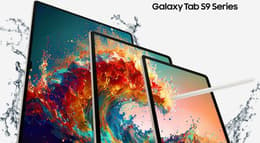
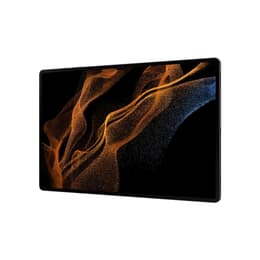
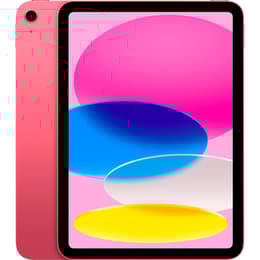
The Samsung Galaxy Tab S8, released in 2022, and the Apple iPad 11th Gen (A16 Series), launched in 2025, represent distinct approaches to the tablet experience. While both devices offer robust performance for a variety of tasks, they differ significantly in their operating systems and core hardware. The Galaxy Tab S8 operates on Android, providing a versatile ecosystem, whereas the iPad 11th Gen runs on iPadOS, known for its streamlined interface and app optimization. These differences cater to varying user preferences and workflows.
Colour
Storage
When considering the long-term usability of a tablet, software support and physical resilience are key factors. Both devices offer substantial longevity, though their update policies and material choices present different advantages.
Year of Release
Compatible with latest Update
OS
The performance of a tablet is crucial for handling daily tasks, from casual browsing to more intensive applications. Both the Galaxy Tab S8 and the iPad 11th Gen deliver capable performance, but they achieve this through different hardware configurations.
The display is a primary interface for any tablet, and both the Galaxy Tab S8 and the iPad 11th Gen offer high-quality viewing experiences, though they utilize different display technologies and refresh rates.
Resolution
Screen type
Pixel density
Tablet cameras are increasingly important for video calls, document scanning, and casual photography. Both devices offer capable camera systems designed to meet these needs, with a focus on clear communication and versatile image capture.
Beyond core performance and display, several practical features contribute to the overall user experience and versatility of a tablet. Both the Galaxy Tab S8 and the iPad 11th Gen offer a range of connectivity, input, and design elements.
Weight
Screen size (in)
Network
Carrier compatibility
The Samsung Galaxy Tab S8 and the Apple iPad 11th Gen (A16 Series) each present compelling options for tablet users, catering to different preferences and ecosystems. User feedback for the Galaxy Tab S8 often praises its vibrant display, the inclusion of the S Pen, and its robust battery life, with some users reporting nearly 13 hours of use. Its DeX mode is frequently highlighted as a feature that enhances productivity, offering a desktop-like experience. Criticisms sometimes point to its performance not always matching the highest-end iPads in benchmark tests, though real-world usage is generally smooth.
For the iPad 11th Gen, users appreciate its fast and responsive performance, attributed to the A16 Bionic chip, and the seamless integration within the Apple ecosystem. Its display is noted for its clarity and color accuracy, and the battery life is considered solid, often lasting a full workday. A common point of discussion is the 60Hz refresh rate, which some users might find less fluid compared to higher refresh rate displays.
Users prioritizing an open Android ecosystem, expandable storage, and an included stylus may find the Galaxy Tab S8 well-suited to their needs. Its strong battery life and DeX mode make it a versatile tool for both entertainment and productivity. Conversely, users who value a highly optimized software experience, consistent performance, and a long-term update commitment will likely lean towards the iPad 11th Gen. Its robust app ecosystem and strong integration with other Apple devices are significant advantages.
For those considering either device, exploring quality-assured refurbished options can be a sustainable choice, offering access to these capable tablets while extending their lifecycle.