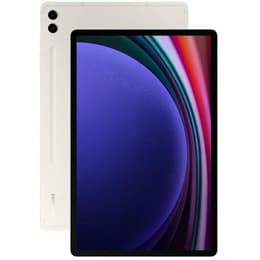

Galaxy Tab S8 (11.0", 2022) Vs Galaxy Tab S9+ (12.4", 2023)

Galaxy Tab S8 (11.0", 2022)
Starting at

Refurbished price:£262.00

Versus £745.19 new

See options
Galaxy Tab S9+ (12.4", 2023)
Starting at

Refurbished price:£440.84

Versus £868.13 new

See options

Ratings

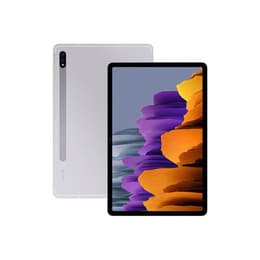
The Samsung Galaxy Tab S8, released in 2022, and the Galaxy Tab S9+, launched in 2023, are two Android tablets from Samsung's premium lineup. While both offer a versatile tablet experience with S Pen support, they differ significantly in display technology, overall size, and internal processing power. Both devices run on the Android operating system, providing a consistent software experience with Samsung's One UI overlay.

Scores

Durability

When considering the longevity of these tablets, several factors come into play, including their release timeline, software support, and physical resilience.

  • Release Timeline and Software Updates: The Galaxy Tab S8, released in February 2022, launched with Android 12 and is expected to receive major OS updates up to Android 16. The Galaxy Tab S9+, released in August 2023, launched with Android 13 and is anticipated to receive updates up to Android 17, offering an additional year of software support. Both devices are also slated to receive five years of security updates from their respective release dates. [1, 2, 4, 5, 7, 20]
  • Physical Durability: The Galaxy Tab S9+ features an IP68 rating for dust and water resistance, extending this protection to its bundled S Pen. This makes it more resilient to environmental factors like splashes or dusty conditions. The Galaxy Tab S8 does not carry an official IP rating. Both tablets are constructed with an aluminum frame, contributing to a solid build quality. [2, 8, 20, 21]
  • Expected Practical Lifespan: Users can expect a robust practical lifespan from both devices, with the Galaxy Tab S9+ potentially offering a slightly longer period of optimal software compatibility due to its newer release and extended update policy.

Year of Release

2022

2023

Compatible with latest Update

Yes

Yes

OS

Android

Android

Performance

The performance capabilities of these two tablets show a generational advancement, impacting how they handle demanding applications and multitasking.

  • Processing Power: The Galaxy Tab S9+ is equipped with a newer generation processor, which translates to faster overall performance and improved efficiency compared to the Galaxy Tab S8's processor. This difference is particularly noticeable in intensive tasks such as video editing, advanced gaming, and running multiple applications simultaneously. [1, 2, 19]
  • Multitasking and Responsiveness: The Galaxy Tab S9+ typically comes with 12GB of RAM in its standard configurations, while the Galaxy Tab S8 usually features 8GB of RAM. This increased memory in the S9+ allows for smoother transitions between apps and more efficient handling of numerous open tabs or applications without slowdowns. Both tablets offer expandable storage via a microSD card, alleviating concerns about running out of space for files and applications. [1, 2, 5, 8, 12]
  • Battery Behavior: The Galaxy Tab S9+ houses a larger 10,090 mAh battery compared to the Galaxy Tab S8's 8,000 mAh battery. Coupled with its more power-efficient processor, the Tab S9+ generally offers longer battery life, especially during heavy usage. Users report the Tab S9+ can last around 9 hours of continuous use, while the Tab S8 typically provides around 7-8 hours. Both support 45W fast charging, though chargers are sold separately. [1, 5, 9, 11, 14, 19, 21]

Memory (GB)

8 GB

12 GB

Processor

Qualcomm SM8450 Snapdragon 8 Gen 1

Qualcomm SM8550-AC Snapdragon 8 Gen 2

Screen quality

The visual experience is a significant differentiator between these two tablets, primarily due to their display technology and size.

  • Display Technology and Clarity: The Galaxy Tab S9+ features a 12.4-inch Dynamic AMOLED 2X display, known for its deep blacks, vibrant colors, and high contrast. The Galaxy Tab S8, on the other hand, uses an 11.0-inch LTPS TFT LCD panel. While the Tab S8's LCD is clear and bright, the AMOLED technology in the Tab S9+ offers a more immersive and visually striking experience, particularly for media consumption and creative work. [2, 3, 8, 12, 17, 19, 20]
  • Resolution and Brightness: Both tablets offer high resolutions, with the Tab S8 at 2560x1600 pixels and the Tab S9+ at 1752x2800 pixels. The pixel density is comparable, ensuring sharp text and images. The Tab S9+ also includes 'Vision Booster' technology, which enhances screen visibility and color reproduction in bright outdoor conditions, making it more adaptable to various lighting environments. [2, 3, 8, 12, 19, 20]
  • Refresh Rate and Viewing Experience: Both devices feature a 120Hz adaptive refresh rate, providing smooth scrolling and fluid animations. The larger screen size of the Tab S9+ (12.4 inches compared to 11.0 inches) offers a more expansive canvas for productivity, drawing, and entertainment, while the Tab S8's smaller size contributes to greater portability. [2, 3, 8, 12, 19]

Resolution

1600 x 2560

1752 x 2800

Screen type

TFT LCD

Dynamic AMOLED 2X

Pixel density

280ppp

270ppp

Audiovisual

While tablets are not typically chosen for their camera prowess, both the Galaxy Tab S8 and Tab S9+ offer capable camera systems for video calls and casual photography.

  • Rear Camera System: The Galaxy Tab S8 includes a dual-camera setup on the rear with a 13MP main sensor and a 6MP ultrawide sensor. The Galaxy Tab S9+ also features a dual rear camera, upgrading the ultrawide sensor to 8MP while retaining the 13MP main sensor. This slight improvement in the ultrawide lens on the S9+ can capture a bit more detail in wider shots. [2, 7, 12, 15, 19, 20]
  • Front Camera and Video Quality: Both tablets are equipped with a 12MP ultrawide front-facing camera, which is well-suited for video conferencing and selfies. They support 4K video recording at 30 frames per second. Users generally find the front cameras on both devices to be effective for video calls, with features like auto-framing to keep the subject centered. [9, 12, 15, 19]
  • Audio Experience: Both the Tab S8 and Tab S9+ feature quad stereo speakers tuned by AKG with Dolby Atmos support, providing a rich audio experience for media consumption. The speakers on the Galaxy Tab S9+ are noted to be 20% larger, potentially offering a more impactful sound. Both also include multiple microphones for clear audio input during calls or recordings. [2, 12, 14, 24]

Miscellaneous

Beyond the core specifications, several practical elements contribute to the overall user experience of these tablets.

  • Connectivity and Ports: Both tablets support Wi-Fi 6E for fast wireless internet and Bluetooth 5.x for accessory connections (5.2 for S8, 5.3 for S9+). They both feature a USB-C 3.2 port for charging and data transfer. Cellular models of both devices offer 5G connectivity. [2, 9, 12, 14]
  • Biometric Security: The Galaxy Tab S9+ incorporates an in-display fingerprint sensor for secure unlocking. The Galaxy Tab S8 features a fingerprint scanner integrated into the power key. Both methods offer convenient and secure access to the device. [6, 12, 14, 19]
  • Design and Handling: The Galaxy Tab S8 measures 253.8 x 165.3 x 6.3mm and weighs 503g (Wi-Fi model), offering a compact and portable form factor. The Galaxy Tab S9+ is larger and slightly heavier at 285.4 x 185.4 x 5.7mm and 586g (Wi-Fi model), providing a more expansive screen for work and entertainment. Both are notably thin, contributing to a comfortable in-hand feel despite their sizes. [3, 7, 8, 12, 14, 24]

Weight

507 g

129 g

Screen size (in)

11.0

12.4

Network

Wi-Fi

Wi-Fi

Carrier compatibility

Without SIM Port

Unlocked

Connector

USB Type-C

USB Type-C

The Samsung Galaxy Tab S8 and Galaxy Tab S9+ both offer compelling Android tablet experiences, each catering to slightly different user priorities. Users frequently praise the Galaxy Tab S8 for its solid performance, vibrant LCD display, and the inclusion of the S Pen, making it a capable device for everyday tasks and creative endeavors. Some users, however, note that its LCD screen, while good, doesn't offer the same visual depth as AMOLED panels. [9, 18]

The Galaxy Tab S9+ receives acclaim for its stunning Dynamic AMOLED 2X display, enhanced processing power, and improved durability with an IP68 rating. Users appreciate the larger screen for media consumption and multitasking, along with the extended software support. Some discussions suggest that while the performance upgrade is present, it might not be a drastic change for average daily use compared to its predecessor, but it does offer better thermal management and sustained performance. [1, 2, 19, 22, 23]

Users prioritizing a more compact and portable tablet for general use, note-taking, and media consumption in well-lit environments may find the Galaxy Tab S8 well-suited to their needs. Its performance remains strong for most applications, and it continues to receive software updates. Conversely, users who value a larger, more vibrant display for immersive entertainment, demanding creative tasks, or extensive multitasking will likely lean towards the Galaxy Tab S9+. Its enhanced durability and longer software support also make it a strong choice for those seeking a device with a longer optimal lifespan. Both tablets are excellent choices, and opting for a quality-assured refurbished option can be a sustainable choice for either model.

See all articles

Our recent comparisons