
OnePlus 10 Pro Vs Sony Xperia 1 IV

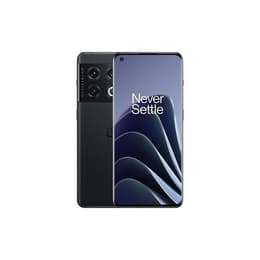
OnePlus 10 Pro
OnePlus 10 Pro
Starting at

Refurbished price:£391.00

Versus £769.39 new

See options
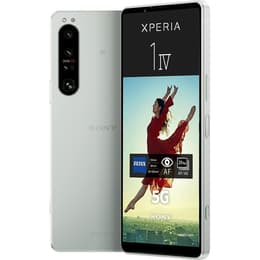
Sony Xperia 1 IV
Sony Xperia 1 IV
Starting at

Refurbished price:£346.00

Versus £1,500.00 new

See options

Ratings

The OnePlus 10 Pro (released globally in March 2022) and the Sony Xperia 1 IV (released in various markets starting June 2022) are both high-end Android smartphones. While both devices feature powerful internals and advanced displays, they cater to slightly different user priorities. The OnePlus 10 Pro emphasizes fast charging and a fluid user experience, whereas the Sony Xperia 1 IV focuses on a high-resolution display and advanced camera capabilities, particularly for content creators.

Scores

Durability

When considering the long-term usability of these devices, several factors come into play, including software support, physical resilience, and ease of repair. Both phones launched with Android 12, and while the OnePlus 10 Pro is expected to receive several years of updates, Sony has a track record of providing consistent, though sometimes slower, updates for its flagship devices. The physical construction and repairability also contribute to their practical lifespan.

  • Software Longevity: The OnePlus 10 Pro typically receives major Android updates for a few years post-release, along with security patches. The Sony Xperia 1 IV also offers a similar update commitment, with some models already upgradable to Android 14. [4, 16, 21]
  • Physical Durability: The Sony Xperia 1 IV features Corning Gorilla Glass Victus on both its front and back, along with an IP65/IP68 rating for dust and water resistance, suggesting robust protection against environmental elements. [4, 8, 16, 22, 37, 39] The OnePlus 10 Pro also uses Gorilla Glass Victus for its display and includes a ceramic cover for its camera module, offering scratch resistance. [13, 29] However, some durability tests have shown the OnePlus 10 Pro to be susceptible to bending under significant force. [41, 42]
  • Repairability: The OnePlus 10 Pro has been noted to have an average repairability score, with some components like the battery and screen being accessible, though adhesive use can complicate repairs. [14, 25] Information on the Sony Xperia 1 IV's repairability is less widely detailed, but its intricate design, especially around the camera system, might suggest a similar level of complexity.

Year of Release

2022

2022

Compatible with latest Update

Yes

No

OS

Android

Android

Foldable

No

No

Performance

Both smartphones are equipped with powerful processors designed to handle demanding applications and multitasking. Their performance is influenced by their internal components, including RAM and storage configurations, as well as how efficiently their software manages these resources.

  • Everyday Responsiveness: Both devices utilize a high-performance processor from the same generation, enabling smooth navigation, rapid app launches, and efficient handling of multiple applications simultaneously. Users can expect a fluid experience across general use, social media, and productivity tasks. [1, 3, 4]
  • Demanding Applications and Gaming: For graphically intensive games and heavy-duty applications, both phones deliver strong performance. The OnePlus 10 Pro incorporates a gaming engine designed to maintain stable frame rates during extended gaming sessions. [5] The Sony Xperia 1 IV also provides a capable gaming experience, though some reports suggest its high-resolution display can contribute to increased power consumption during intensive tasks. [19]
  • Battery Behavior: Both phones house a 5000 mAh battery. The OnePlus 10 Pro generally offers strong battery life, often lasting a full day of heavy use and sometimes extending into a second day for moderate users. [1, 17, 32, 35] The Sony Xperia 1 IV's battery life can be more variable; while it has a large capacity, its 4K display can lead to quicker battery drain, particularly with continuous media consumption or gaming. [19, 28, 34]

Memory (GB)

8 GB

12 GB

Screen quality

The visual experience on both devices is a key differentiator, with each offering a distinct approach to display technology and resolution. Both aim for vibrant and clear visuals, but with different priorities.

  • Display Technology and Resolution: The OnePlus 10 Pro features a 6.7-inch QHD+ Fluid AMOLED display, providing sharp images and deep blacks. [1, 7] The Sony Xperia 1 IV stands out with a 6.5-inch 4K HDR OLED display, offering a significantly higher resolution (3840 x 1644 pixels) for exceptional detail, particularly beneficial for media consumption and professional content viewing. [3, 6, 10, 16, 20]
  • Refresh Rate and Smoothness: Both phones boast a 120Hz refresh rate for smooth scrolling and responsive interactions. The OnePlus 10 Pro utilizes LTPO 2.0 technology, allowing its refresh rate to dynamically scale from 1Hz to 120Hz based on content, which contributes to power efficiency. [5, 7, 12, 13] The Sony Xperia 1 IV also offers a 120Hz refresh rate, but it is not an adaptive LTPO panel, meaning it may consume more power when a high refresh rate isn't strictly necessary. [16, 34]
  • Brightness and Color Accuracy: The OnePlus 10 Pro's display includes Dual Color Calibration for accurate colors across different brightness levels and AI Adaptive Brightness. [13] The Sony Xperia 1 IV's display is noted for its 10-bit color depth and HDR support, making it suitable for professional photo and video editing, and is also brighter than its predecessor. [6, 10, 16, 20]

Resolution

1440 x 3216

1644 x 3840

Screen type

LTPO2 Fluid AMOLED

OLED

Audiovisual

Both smartphones offer advanced camera systems, but their strengths lie in different areas, catering to varying photographic and videographic needs. The software processing and specific lens configurations define their capabilities.

  • Rear Camera System: The OnePlus 10 Pro features a triple camera setup with a 48MP main, 50MP ultrawide (including a 150-degree field of view option), and an 8MP telephoto lens with 3.3x optical zoom. It benefits from a partnership with Hasselblad, focusing on natural color reproduction and 10-bit color capture. [2, 11, 29, 31, 38] The Sony Xperia 1 IV also has a triple 12MP camera system, but its telephoto lens offers a unique true optical zoom ranging from 3.5x to 5.2x. All its rear cameras are capable of 4K 120fps video recording, with features like Eye AF and Object tracking, tuned by Sony's Alpha camera division. [6, 16, 18, 22, 34, 43]
  • Low-Light and Everyday Photography: The OnePlus 10 Pro delivers capable everyday photography, though some reviews suggest its low-light performance and telephoto zoom might not always match the absolute top-tier flagships. [1] The Sony Xperia 1 IV's camera system is designed for a more technical and controlled shooting experience, appealing to users who prefer manual controls and advanced video features. [18]
  • Video Recording and Audio: The Sony Xperia 1 IV excels in video recording, offering 4K HDR at 120fps across all its rear lenses, making it a powerful tool for content creation. [18, 43] It also includes a 3.5mm headphone jack, which is beneficial for external audio monitoring. [16, 22] The OnePlus 10 Pro also offers strong video capabilities and dual stereo speakers, though its speaker audio quality has been described as imbalanced by some users. [1, 9, 33]

Main camera

48 megapixels

12 megapixels

Front camera

32 megapixels

12 megapixels

Miscellaneous

Beyond core performance and display, several practical features and design elements contribute to the overall user experience of these devices. These include connectivity, physical design, and additional functionalities.

  • Connectivity and Ports: Both phones support 5G connectivity, Wi-Fi 6, and Bluetooth 5.2, ensuring modern wireless communication standards. [3, 16, 20, 21, 22, 39] The Sony Xperia 1 IV retains a 3.5mm headphone jack, a feature less common in high-end smartphones, and supports expandable storage via a microSD card slot up to 1TB. [3, 16, 22, 37] The OnePlus 10 Pro does not have a headphone jack or expandable storage. [21] Both use a USB-C port for charging and data transfer. [3, 20, 33]
  • Biometrics and Sensors: The OnePlus 10 Pro features an under-display optical fingerprint scanner. [21] The Sony Xperia 1 IV opts for a side-mounted fingerprint scanner integrated into the power button. [16, 22] Both devices include standard sensors like accelerometers, gyroscopes, and proximity sensors. The Xperia 1 IV also includes a color spectrum sensor. [16]
  • Design and Handling: The OnePlus 10 Pro measures 163 x 73.9 x 8.9 mm and weighs 200.5g, featuring a curved display and a distinctive camera module. [21] The Sony Xperia 1 IV is slightly taller and narrower at 165 x 71 x 8.2 mm and lighter at 185g, with a flatter design and a 21:9 aspect ratio that makes it feel taller and narrower in hand. [3, 4, 16, 22]

Weight

201 g

185 g

Screen size (in)

6.7

6,5

Mobile network

5G

5G

SIM card

Physical SIM

Physical SIM + eSIM

Carrier compatibility

Unlocked

Unlocked

Connector

USB-C

USB-C + Jack 3.5mm

The OnePlus 10 Pro and Sony Xperia 1 IV, both released in 2022, offer distinct experiences for users seeking a high-end Android smartphone. User feedback often praises the OnePlus 10 Pro for its generally strong battery life, exceptionally fast charging speeds, and smooth, adaptive display. [1, 17, 32, 35] Some users have noted its camera performance, while capable, might not always compete with the very best in all scenarios, and some durability concerns were raised in early tests. [1, 41, 42]

The Sony Xperia 1 IV is frequently lauded for its unique 4K OLED display, offering unparalleled sharpness and color accuracy for media consumption and creative work. Its advanced camera system, particularly the true optical zoom and extensive video features, appeals strongly to photography and videography enthusiasts. [18, 30, 43] However, its battery life can be a point of contention for some users due to the power demands of the 4K screen, and its camera interface might be perceived as complex for casual point-and-shoot users. [19, 28, 34]

Users prioritizing a device with rapid charging, a consistently smooth display for everyday use, and a generally reliable battery life may find the OnePlus 10 Pro well-suited to their needs. Conversely, individuals who place a premium on an ultra-sharp 4K display, advanced manual camera controls, true optical zoom capabilities, and the inclusion of a headphone jack for professional audio work will likely lean towards the Sony Xperia 1 IV. Both devices represent solid choices in the premium Android segment, and opting for a quality-assured refurbished option can be a sustainable choice for either model.


See all articles

Our recent comparisons