
Galaxy Tab S9+ (12.4", 2023) Vs iPad Air 4 (2020, A14 series)

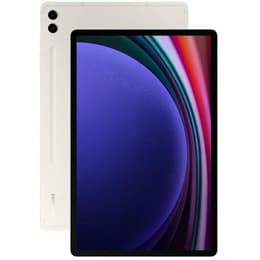
Galaxy Tab S9+ (12.4", 2023)
Starting at

Refurbished price:£440.84

Versus £868.13 new

See options
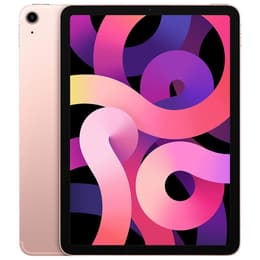
iPad Air 4 (2020, A14 series)
Starting at

Refurbished price:£215.00

Versus £579.00 new

See options

Ratings

The Samsung Galaxy Tab S9 Plus, released in 2023, and the Apple iPad Air (4th generation), launched in 2020, are two distinct tablet offerings. While both devices aim to provide a versatile computing experience, they differ significantly in their operating systems, core hardware, and display technologies. The Tab S9 Plus runs on Android, offering a larger, more vibrant display and a newer processor, while the iPad Air operates on iPadOS, known for its streamlined user experience and robust app ecosystem.

Scores

Durability

The longevity of a tablet is often determined by its build quality and the duration of software support it receives. These two devices, released three years apart, offer different expectations in this regard.

  • Release Timeline: The Galaxy Tab S9 Plus is a more recent device, having been released in August 2023, compared to the iPad Air (2020), which launched in September 2020. This difference in release date inherently means the Tab S9 Plus will likely receive software updates for a longer period into the future.
  • OS Support Duration: Apple is known for providing extended software support for its devices, with the iPad Air (2020) still receiving major iPadOS updates. Samsung typically offers several years of Android updates for its flagship tablets, but the iPad Air's older release means its update cycle is closer to its end than the newer Tab S9 Plus.
  • Build and Durability: The Galaxy Tab S9 Plus features an aluminum casing and boasts an IP68 rating for dust and water resistance, offering a higher level of protection against environmental elements. The iPad Air (2020) also has an aluminum body, contributing to its solid feel, but lacks an official IP rating.

Year of Release

2023

2020

Compatible with latest Update

Yes

Yes

OS

Android

iPadOS

Performance

Performance is a key consideration for tablets, influencing everything from app responsiveness to handling demanding tasks. Both devices offer capable performance for their respective ecosystems.

  • Processor Capabilities: The Galaxy Tab S9 Plus is equipped with a current-generation processor, enabling it to handle demanding applications, complex multitasking, and graphic-intensive games with smooth performance. The iPad Air (2020) features a powerful chip that delivers a responsive user experience, capable of running numerous apps simultaneously and managing creative tasks effectively.
  • Multitasking and Responsiveness: With its generous RAM configuration, the Galaxy Tab S9 Plus facilitates seamless transitions between multiple open applications and maintains fluidity even under heavy workloads. The iPad Air (2020) also offers efficient multitasking, allowing users to switch between apps and utilize split-screen features without significant slowdowns.
  • Storage Options: The Galaxy Tab S9 Plus provides storage options starting from 256GB, with the added flexibility of expandable storage via a microSD card, which can be useful for users with large media libraries or extensive document collections. The iPad Air (2020) comes with storage options of 64GB or 256GB, but does not offer expandable storage.

Memory (GB)

12 GB

4 GB

Screen quality

The display is a primary interface for tablets, and both models offer distinct visual experiences tailored to their design philosophies.

  • Display Technology and Size: The Galaxy Tab S9 Plus features a 12.4-inch Dynamic AMOLED 2X display, known for its deep blacks, high contrast, and vibrant color reproduction. The iPad Air (2020) comes with a 10.9-inch Liquid Retina IPS LCD display, which provides accurate colors and good viewing angles.
  • Resolution and Clarity: The Tab S9 Plus offers a resolution of 2800 x 1752 pixels, resulting in sharp images and text across its larger screen. The iPad Air (2020) has a resolution of 2360 x 1640 pixels, delivering clear visuals on its slightly smaller display. Both provide a pixel density that ensures content appears crisp for typical viewing distances.
  • Refresh Rate and Brightness: The Galaxy Tab S9 Plus boasts an adaptive 120Hz refresh rate, which contributes to smoother scrolling and more fluid animations. It also supports HDR10+ for enhanced visual quality. The iPad Air (2020) has a standard 60Hz refresh rate and offers a brightness of up to 500 nits, providing good visibility in various lighting conditions.

Resolution

1752 x 2800

2360 x 1640

Screen type

Dynamic AMOLED 2X

Liquid Retina display

Pixel density

270ppp

264ppp

Audiovisual

While tablets are not typically primary photography devices, their cameras are useful for video calls, document scanning, and casual photography.

  • Rear Camera System: The Galaxy Tab S9 Plus features a dual-camera setup on the rear, including a 13MP wide-angle lens and an 8MP ultrawide lens, offering more versatility for capturing different scenes. The iPad Air (2020) has a single 12MP wide-angle rear camera, which performs well in good lighting conditions.
  • Front Camera Performance: For video conferencing and selfies, the Tab S9 Plus includes a 12MP ultrawide front camera, designed to capture a wider field of view. The iPad Air (2020) is equipped with a 7MP front-facing camera, which is suitable for video calls and offers good image quality in well-lit environments.
  • Video Recording: Both tablets are capable of recording high-quality video. The Galaxy Tab S9 Plus can record 4K video, providing detailed footage. The iPad Air (2020) also supports 4K video recording, making it suitable for capturing clear and stable videos.

Miscellaneous

Beyond core specifications, several practical features contribute to the overall user experience and utility of a tablet.

  • Connectivity and Ports: The Galaxy Tab S9 Plus supports Wi-Fi 6E and Bluetooth 5.3, with optional 5G connectivity for mobile data access. It features a USB Type-C 3.2 port that supports DisplayPort for external monitor output. The iPad Air (2020) includes Wi-Fi 6 and Bluetooth 5.0, with optional 4G LTE, and also uses a USB-C port for charging and accessories.
  • Stylus and Accessories: The Galaxy Tab S9 Plus comes with an IP68-rated S Pen included in the box, offering a responsive writing and drawing experience. The iPad Air (2020) supports the Apple Pencil (2nd generation), which is sold separately, and is compatible with Apple's Magic Keyboard and Smart Keyboard Folio.
  • Biometric Security and Design: The Tab S9 Plus incorporates an in-display fingerprint sensor for secure unlocking. It has a slim profile and a balanced weight. The iPad Air (2020) features Touch ID integrated into its power button for secure authentication. It also has a thin and light design, making it comfortable for extended use.

Weight

129 g

458 g

Screen size (in)

12.4

10.9

Network

Wi-Fi

Wi-Fi

Carrier compatibility

Unlocked

Without SIM Port

The Samsung Galaxy Tab S9 Plus and the Apple iPad Air (2020) cater to users with different priorities, reflecting their respective ecosystems and release timelines. Users often praise the Galaxy Tab S9 Plus for its stunning AMOLED display, the inclusion of the S Pen, and its robust multitasking capabilities, particularly with Samsung DeX. Some users appreciate the expandable storage and the IP68 water resistance for added peace of mind.

On the other hand, the iPad Air (2020) is frequently lauded for its consistent performance, the intuitive iPadOS experience, and the vast selection of high-quality apps optimized for tablets. Its integration with the Apple ecosystem and long-term software support are also common points of praise. Some users, however, note its 60Hz display and the lack of expandable storage as potential drawbacks.

Users prioritizing a larger, more vibrant display, included stylus, and the flexibility of Android with expandable storage may find the Galaxy Tab S9 Plus well-suited to their needs. Conversely, those who value a streamlined operating system, a strong app ecosystem, and consistent performance for creative and productivity tasks might lean towards the iPad Air (2020). Both devices offer a quality-assured refurbished option, providing a sustainable choice for consumers looking to make an informed purchasing decision.

See all articles

Our recent comparisons