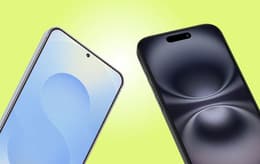
Compare models

Galaxy S25 Vs iPhone Air

  • 1-year minimum warranty
  • Free delivery on all items
  • Free 30-day returns
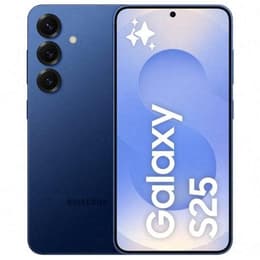
Galaxy S25
Starting at

Refurbished price:£397.00

Versus £672.62 new

See options
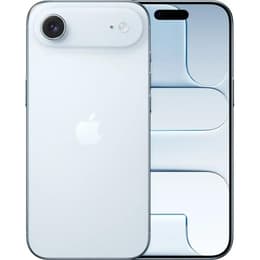
iPhone Air
Starting at

Refurbished price:£604.00

Versus £1,099.00 new

See options

Differences at a glance

The Samsung Galaxy S25 (2025) and the Apple iPhone Air (2025) represent unique directions in modern smartphone engineering, balancing pocket-friendly dimensions with advanced internal capability. While the Galaxy S25 delivers a compact form factor packed with versatile multi-lens photography, the iPhone Air introduces an ultra-slim profile centered around a streamlined single-camera layout. Running on Android and iOS respectively, these two devices offer distinct approaches to everyday mobile computing and user experience.

Available Models

Colour

Storage

Scores

Durability

Both smartphones benefit from modern manufacturing standards and long-term vendor support policies designed to keep software secure and current over many years. When choosing a quality-assured refurbished option through platforms like Back Market, users can also extend the lifecycle of these devices sustainably.

  • Software Support: Both manufacturers provide extensive multi-year operating system upgrades and security patches, ensuring both models remain current throughout their useful lifespan.
  • Build Durability: The Galaxy S25 utilizes reinforced glass and aluminum frames, while the iPhone Air incorporates a slim titanium chassis paired with scratch-resistant display glass.
  • Repairability: Both devices feature sealed internal designs requiring specialized tools, though authorized service channels maintain robust pathways for battery replacements and component repairs.

Year of Release

2025

2025

Compatible with latest Update

Yes

Yes

OS

Android

iOS

Foldable

No

No

Performance

Handling everything from casual web browsing to demanding 3D gaming, both models deliver smooth system responsiveness and efficient multitasking capabilities.

  • Storage Configurations: Both devices offer generous starting storage tiers with options scaling higher for users who store extensive media libraries locally.
  • Daily Responsiveness: Advanced internal processors ensure rapid app loading, fluid animations, and consistent performance during intensive multi-app usage.
  • Battery Behavior: The Galaxy S25 relies on a moderately sized battery tailored for its compact footprint, while the iPhone Air optimizes power consumption around its exceptionally thin battery design.

Screen quality

Viewing media, reading text, and navigating interfaces are visually engaging tasks on both handsets due to their bright, high-contrast display panels.

  • Display Technology: Both models utilize vibrant OLED panels that deliver deep black levels, vivid color reproduction, and sharp text clarity.
  • Outdoor Visibility: High peak brightness levels ensure the screens remain easily legible under direct sunlight or bright outdoor conditions.
  • Refresh Rate: Smooth scrolling and fluid motion are supported by high refresh rate panels, enhancing everyday navigation and gaming experiences.

Resolution

1080x2340

2736x1260

Audiovisual

Photography and media capture differ significantly in hardware philosophy, giving users distinct tools for capturing everyday moments and video content.

  • Camera Systems: The Galaxy S25 features a versatile multi-lens rear setup including ultra-wide and telephoto options, whereas the iPhone Air employs a streamlined single-lens primary camera system.
  • Low-Light Performance: Advanced image processing helps both devices capture clear, balanced photos in challenging lighting environments.
  • Video Recording: Both models support stable, high-resolution video capture accompanied by clear audio recording for calls and media creation.

Miscellaneous

Practical daily usability is shaped by physical dimensions, connectivity standards, and biometric security features built into each chassis.

  • Connectivity: Both smartphones support modern wireless standards including fast cellular data networks and recent iterations of Wi-Fi and Bluetooth.
  • Security and Ports: Secure biometric authentication is handled via facial recognition or under-display fingerprint sensors, and both devices utilize reversible USB charging connections.
  • Handling and Weight: The Galaxy S25 offers a traditional compact footprint, whereas the iPhone Air stands out with its remarkably thin profile and lightweight construction.

Weight

162 g

165 g

Screen size (in)

6.2

6.5

Mobile network

5G

5G

SIM card

Physical SIM + eSIM

eSIM

Carrier compatibility

Unlocked

Unlocked

Connector

USB-C

USB-C

What the community thinks

Choosing between the Samsung Galaxy S25 and the iPhone Air depends largely on individual hardware preferences and daily usage priorities. Users who prefer a versatile multi-lens camera setup and a traditional compact phone footprint may find the Galaxy S25 well-suited to their needs. Conversely, users who prioritize an exceptionally thin, lightweight physical design and ecosystem continuity often gravitate toward the iPhone Air. As consumers evaluate their options, choosing a quality-assured refurbished option serves as an eco-friendly alternative that minimizes electronic waste while providing modern smartphone performance.