
Compare models
Galaxy S25 FE Vs iPhone Air
- 1-year minimum warranty
- Free delivery on all items
- Free 30-day returns
Differences at a glance
The Samsung Galaxy S25 FE (2025) and the Apple iPhone Air (2025) are modern smartphones designed around distinct engineering goals. While both devices deliver current-generation processing power and comprehensive connectivity, they approach everyday usability through very different hardware philosophies. The Galaxy S25 FE runs on the Android ecosystem with Samsung's custom interface, whereas the iPhone Air operates on Apple's iOS platform, establishing a fundamental software divergence for users.
Available Models
Colour
Storage (GB)
Scores
Durability
Both smartphones launched in late 2025, providing robust software support timelines and reliable long-term usability. Software update policies and physical durability features shape their expected operational lifespans:
- Software Support: Both manufacturers provide multi-year operating system updates and regular security patches, ensuring both devices remain secure and functional for several years.
- Build Durability: The Galaxy S25 FE utilizes sturdy aluminum and glass construction with standard water resistance, while the iPhone Air incorporates a rigid titanium frame and reinforced glass to protect its ultra-slim chassis.
- Repairability: Both models feature sealed internal components requiring professional service for major hardware replacements, though standard component swaps follow conventional industry repair paths.
Year of Release
2025
2025
Compatible with latest Update
Yes
Yes
OS
Android
iOS
Foldable
No
No
Performance
Equipped with advanced internal hardware, both devices handle demanding modern applications, multitasking routines, and casual gaming without noticeable stutter. System responsiveness and daily power management differ across these configurations:
- Multitasking and Speed: Generous random access memory allocations on both models ensure smooth app switching, responsive web browsing, and reliable performance under heavy multitasking loads.
- Battery Behavior: The Galaxy S25 FE includes a larger physical battery capacity to support extended daily usage, while the iPhone Air relies on power-efficient hardware design to manage energy within its exceptionally thin profile.
- Storage Configurations: Both devices offer multiple internal storage tiers to accommodate large media libraries, applications, and offline files without supporting expandable card slots.
Screen quality
Display technology on both handsets delivers vibrant visuals, sharp text rendering, and high refresh rates for smooth scrolling. Screen specifications cater to different viewing preferences:
- Display Panels: Both phones utilize advanced OLED screen technology offering deep black levels, high contrast ratios, and vivid color reproduction for media consumption.
- Brightness and Outdoors: High peak brightness levels on both displays ensure content remains legible under direct sunlight or bright ambient lighting conditions.
- Refresh Rate and Size: The Galaxy S25 FE features a flat 6.7-inch screen with a smooth 120 Hz refresh rate, whereas the iPhone Air provides a slightly more compact 6.5-inch panel that also supports a fluid 120 Hz refresh rate.
Resolution
1080x2340
2736x1260
Audiovisual
Photography and video recording capabilities vary significantly due to differing lens layouts and software processing styles. Imaging performance addresses distinct user needs:
- Camera Systems: The Galaxy S25 FE employs a versatile multi-lens rear setup including ultra-wide and telephoto options, while the iPhone Air streamlines photography with a single high-resolution main camera system.
- Video and Low Light: Both devices capture detailed video footage with digital stabilization and perform well in low-light environments using automated night mode processing.
- Media and Audio: Call clarity and microphone performance meet high standards on both models, though speaker output configurations differ in acoustic staging during media playback.
Miscellaneous
Physical dimensions, weight distribution, and connectivity standards dictate how each device feels and operates during daily handling. Practical hardware traits include:
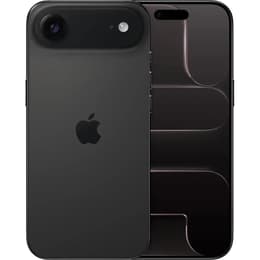
- Form Factor: The iPhone Air emphasizes an exceptionally lightweight and thin build at 165 grams and 5.6 mm thickness, whereas the Galaxy S25 FE features a traditional profile weighing 190 grams with a 7.4 mm thickness.
- Connectivity: Both models support modern 5G cellular networks, high-speed Wi-Fi standards, and Bluetooth connectivity for wireless accessories.
- Security and Ports: Secure biometric authentication is handled via in-display fingerprint scanning on the Samsung device and facial recognition on the Apple model, with both utilizing universal USB-C ports for charging and data transfer.
Weight
190 g
165 g
Screen size (in)
6.7
6.5
Mobile network
5G
5G
SIM card
Dual Physical SIM
eSIM
Carrier compatibility
Unlocked
Unlocked
Connector
USB-C
USB-C
What the community thinks
User discussions and community feedback indicate that satisfaction largely depends on platform preference and hardware priorities. Owners of the Galaxy S25 FE frequently praise its versatile multi-lens camera layout, comfortable screen size, and reliable battery longevity. Conversely, users of the iPhone Air highlight its striking lightweight engineering, slim physical profile, and smooth operating system integration. Common criticisms for the Samsung device center on its slightly heavier build, while iPhone Air users occasionally note the absence of secondary physical camera lenses.
Users prioritizing a versatile camera system, expandable viewing space, and the Android operating environment will find the Galaxy S25 FE well-suited to their daily routine. Meanwhile, users who value an ultra-slim physical profile, lightweight construction, and the iOS ecosystem may lean toward the iPhone Air. For those exploring sustainable purchasing decisions, choosing a quality-assured refurbished option provides an eco-friendly alternative that reduces electronic waste while delivering equivalent performance.