
Galaxy S24+ Vs iPhone 17

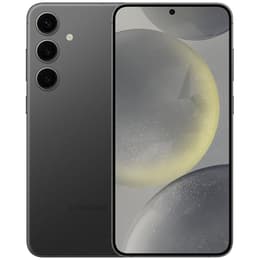
Galaxy S24+
Galaxy S24+
Starting at

Refurbished price:£337.00

Versus £997.95 new

See options
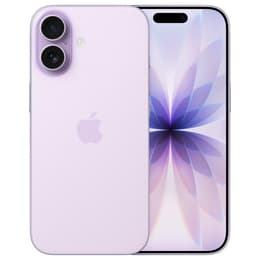
iPhone 17
iPhone 17
Starting at

Refurbished price:£688.00

Versus £799.00 new

See options

Ratings

The Samsung Galaxy S24 Plus, released in January 2024, and the anticipated iPhone 17, expected in late 2026, represent two distinct approaches to the premium smartphone experience. While both devices offer advanced capabilities, they cater to different user preferences through their respective operating systems and hardware philosophies. The Galaxy S24 Plus operates on Android with Samsung's One UI, emphasizing customization and a versatile camera system, whereas the iPhone 17 will run on Apple's iOS, focusing on integrated performance and a refined user experience.

Scores

Durability

Evaluating the long-term usability of these devices involves considering their release timelines, software support, and physical resilience.

  • Software Longevity: The Galaxy S24 Plus launched with Android 14 and is notable for its commitment to seven years of operating system and security updates, providing extended software support. The iPhone 17, as a newer device, is expected to receive Apple's typically long-term iOS updates, likely spanning six to seven years from its release.
  • Physical Durability: The Galaxy S24 Plus features an aluminum frame and Corning Gorilla Glass Victus 2 for display protection, alongside an IP68 rating for water and dust resistance. The iPhone 17 is anticipated to incorporate Ceramic Shield 2 for enhanced scratch resistance on its display and maintain an aluminum frame, also offering robust protection against everyday wear and tear.
  • Repairability: Both manufacturers generally design their devices with a balance of durability and repair considerations. While specific repairability scores for the iPhone 17 are not yet available, Apple has shown a trend towards making some components more accessible in recent models, while the Galaxy S24 Plus maintains a design that allows for professional servicing.

Year of Release

2024

2025

Compatible with latest Update

Yes

Yes

OS

Android

iOS

Foldable

No

No

Performance

Both the Galaxy S24 Plus and the iPhone 17 are engineered to deliver high-level performance, though they achieve this through different hardware architectures.

  • Processing Power: The Galaxy S24 Plus is equipped with a current-generation processor, either the Snapdragon 8 Gen 3 for Galaxy or the Exynos 2400, depending on the region. This hardware enables smooth multitasking, rapid app loading, and efficient handling of graphically intensive games and demanding applications. The iPhone 17 will feature Apple's latest A-series chip, the A19, which is expected to provide significant generational improvements in raw processing power and energy efficiency, particularly benefiting on-device artificial intelligence tasks and complex computations.
  • System Responsiveness: The Galaxy S24 Plus comes with 12GB of RAM, contributing to its ability to manage numerous applications simultaneously without slowdowns. The base iPhone 17 is expected to feature 8GB of RAM, which, combined with iOS's optimized memory management, ensures a fluid and responsive user experience across various tasks.
  • Battery Performance: The Galaxy S24 Plus houses a 4900 mAh battery, providing approximately 1.5 days or 41 hours of typical usage on a full charge. The iPhone 17 is anticipated to offer improved battery efficiency, with reports suggesting up to 30 hours of video playback, indicating substantial endurance for extended use.

Memory (GB)

12 GB

8 GB

Screen quality

The visual experience on both devices is designed to be immersive, with each offering a high-quality display tailored to their respective ecosystems.

  • Display Technology and Clarity: The Galaxy S24 Plus features a 6.7-inch Dynamic AMOLED 2X display with a resolution of 3120x1440 pixels, resulting in a pixel density of approximately 513 pixels per inch (ppi). This provides sharp text and detailed images. The iPhone 17 is expected to come with a 6.3-inch Super Retina XDR OLED display, offering a resolution of 2622x1206 pixels and around 460 ppi, delivering deep blacks and vibrant colors.
  • Brightness and Refresh Rate: The Galaxy S24 Plus boasts a peak brightness of 2600 nits, ensuring excellent visibility even in bright outdoor conditions. It also features an adaptive refresh rate ranging from 1Hz to 120Hz, which dynamically adjusts for smooth scrolling and efficient power consumption. The iPhone 17 is anticipated to reach a peak brightness of 3000 nits and will likely incorporate ProMotion technology, offering an adaptive refresh rate up to 120Hz for fluid visuals and an Always-On display feature.
  • Viewing Experience: Both displays offer expansive viewing areas suitable for media consumption, gaming, and productivity. The Galaxy S24 Plus's slightly higher pixel density provides a marginally sharper image, while the iPhone 17's expected ProMotion and Always-On capabilities enhance its overall user interaction and visual fluidity.

Resolution

1440 x 3120

2622x1206

Screen type

Dynamic LTPO AMOLED 2X

Super Retina XDR

Audiovisual

Both smartphones offer advanced camera systems, each with distinct strengths in photography and videography.

  • Rear Camera System: The Galaxy S24 Plus features a versatile triple-camera setup on the rear, including a 50-megapixel wide-angle lens with optical image stabilization (OIS), a 12-megapixel ultrawide lens, and a 10-megapixel telephoto lens with 3x optical zoom and OIS. This configuration allows for a range of photographic styles, from expansive landscapes to detailed zoomed-in shots. The base iPhone 17 is expected to feature a dual-lens rear camera system, likely comprising a 48-megapixel main sensor and an ultrawide lens, with a focus on computational photography enhancements for improved image quality across various lighting conditions.
  • Front Camera and Video Capabilities: The Galaxy S24 Plus includes a 12-megapixel front camera and supports video recording up to 8K resolution at 30 frames per second (fps) and 4K at 60fps. It also offers features like dual recording, allowing simultaneous capture from front and rear cameras. The iPhone 17 is rumored to significantly upgrade its front-facing camera to 24 megapixels, enhancing selfie clarity and video call quality. It is also expected to support advanced video features, potentially including dual video recording.
  • Photography Features: The Galaxy S24 Plus benefits from faster shot-to-shot shutter speeds and AI-powered editing tools. The iPhone 17 will likely leverage its advanced processor for sophisticated computational photography, improving aspects like low-light performance and dynamic range.

Main camera

50 megapixels

48 megapixels

Front camera

12 megapixels

18 megapixels

Miscellaneous

Beyond core performance and display, several practical elements differentiate these devices in daily use.

  • Connectivity Standards: The Galaxy S24 Plus supports 5G, Wi-Fi 6E, and Bluetooth 5.3, ensuring fast and reliable wireless connections. It also features USB-C 3.2 for quick data transfer and charging. The iPhone 17 is expected to incorporate the latest wireless technologies, including 5G, Wi-Fi 7, and an updated Bluetooth standard, along with a USB-C port, aligning with current industry trends for high-speed connectivity.
  • Biometric Security and User Interface: The Galaxy S24 Plus utilizes an under-display fingerprint sensor for secure unlocking. It runs Android 14 with Samsung's One UI, offering extensive customization options and a desktop-like DeX mode when connected to an external display. The iPhone 17 will continue to feature Face ID for biometric authentication and will run the latest version of iOS, known for its intuitive interface and seamless ecosystem integration.
  • Physical Design and Handling: The Galaxy S24 Plus measures 158.5 x 75.9 x 7.7 mm and weighs 197 grams, featuring an aluminum frame and a refined design. The iPhone 17 is anticipated to be slightly larger and heavier than its predecessor, measuring around 149.6 mm tall, 71.5 mm wide, and 7.95 mm deep, with a weight of 177 grams, while retaining the Dynamic Island and an aluminum frame with a frosted glass back.

Weight

197 g

177 g

Screen size (in)

6.7

6.3

Mobile network

5G

5G

SIM card

Dual Physical SIM + eSIM

Physical SIM + eSIM

Carrier compatibility

Unlocked

Unlocked

Connector

USB-C

USB-C

User sentiment for the Samsung Galaxy S24 Plus often highlights its impressive display, robust battery life, and the long-term software support commitment. Many users appreciate the versatility of its camera system and the extensive customization options offered by Android and One UI. Criticisms, when present, sometimes point to the regional differences in processors or the incremental nature of some hardware upgrades compared to previous generations. Overall, it is seen as a well-rounded Android flagship that delivers a premium experience.

For the iPhone 17, anticipated user praise centers on the expected advancements in its A-series processor, promising even smoother performance and enhanced AI capabilities. The rumored display upgrades, including ProMotion and increased brightness, are also likely to be well-received. Users typically value the iPhone's consistent software experience, strong ecosystem, and long-term update support. Potential concerns might arise if certain rumored features do not materialize or if the design remains largely unchanged from previous iterations.

Users prioritizing an open ecosystem, extensive customization, and a comprehensive camera setup with a dedicated telephoto lens may find the Galaxy S24 Plus well-suited to their needs. Conversely, individuals who value a highly integrated software and hardware experience, long-term software longevity, and a focus on raw processing power for demanding tasks will likely lean towards the iPhone 17. Both devices represent strong choices in the premium smartphone segment, and considering a quality-assured refurbished option for either model can be an eco-friendly alternative for making an informed, sustainable choice.


See all articles

Our recent comparisons