
Compare models

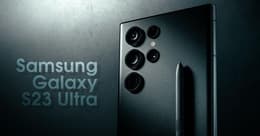
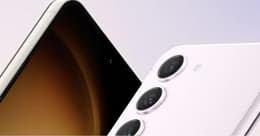
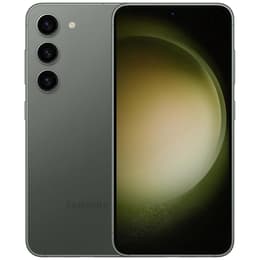
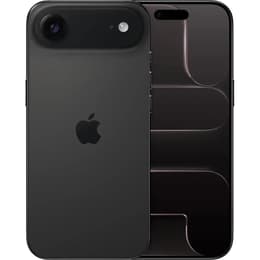
Galaxy S23 Vs iPhone Air

  • 1-year minimum warranty
  • Free delivery on all items
  • Free 30-day returns
Galaxy S23
Starting at

Refurbished price:£219.00

Versus £959.00 new

See options
iPhone Air
Starting at

Refurbished price:£631.00

Versus £1,099.00 new

See options

Differences at a glance

The Samsung Galaxy S23 (2023) and the Apple iPhone Air (2025) represent two distinct approaches to modern smartphone design, contrasting a compact, feature-dense Android flagship with a contemporary, ultra-slim iOS device. While they run on different operating systems and target different physical form factors, both cater to users seeking high-level execution for daily tasks. Choosing between them involves weighing device dimensions, ecosystem preferences, and hardware priorities.

Available Models

Colour

Storage (GB)

Scores

Durability

Both devices offer robust build qualities and long-term software backing, though their release timelines place them in different stages of their lifecycle.

  • Software Support Window: The Galaxy S23 receives multi-year operating system upgrades tied to its 2023 release, while the iPhone Air benefits from a newer launch date and an extended software update lifecycle.
  • Repairability and Build: Both models utilize high-grade aluminum or titanium frames alongside reinforced glass protection, though users should consult authorized service centers for repairs.
  • Practical Longevity: The iPhone Air provides a more extended future-proofing horizon for software updates, whereas the Galaxy S23 has a well-established track record of stable daily performance.

Year of Release

2023

2025

Compatible with latest Update

Yes

Yes

OS

Android

iOS

Foldable

No

No

Performance

Handling daily apps, heavy multitasking, and demanding games smoothly, both smartphones deliver responsive system navigation backed by efficient internal architectures.

  • Multitasking and Memory: The iPhone Air includes ample memory configurations to keep numerous background applications active simultaneously, while the Galaxy S23 manages daily multitasking efficiently with its current-generation hardware.
  • Storage Variations: Storage tiers on both devices range from standard entry capacities up to expansive high-tier options without expandable card slots.
  • Battery Behavior: The Galaxy S23 manages power efficiently within its compact frame for regular daily routines, while the iPhone Air balances its slender profile with optimized energy management for all-day use.

Screen quality

Display configurations differ notably in physical footprint and panel technology, impacting media consumption and outdoor usability.

  • Display Technology: The Galaxy S23 features a vibrant OLED screen with deep contrast levels, whereas the iPhone Air incorporates a larger high-resolution OLED panel designed for immersive viewing.
  • Refresh Rate and Smoothness: Both devices support high refresh rates that ensure fluid scrolling through web pages and smooth animation transitions.
  • Outdoor Visibility: High peak brightness capabilities on both models allow the screens to remain legible under direct sunlight.

Resolution

1080 x 2340

2736x1260

Screen type

Dynamic AMOLED 2X

Super Retina XDR

Audiovisual

Photography and audio capabilities reflect distinct hardware choices, catering to different styles of media creation and consumption.

  • Camera Systems: The Galaxy S23 utilizes a versatile multi-lens arrangement including dedicated optical zoom, while the iPhone Air opts for a streamlined single-lens high-resolution setup.
  • Low-Light Performance: Both models process low-light environments effectively, balancing shadows and highlights to retain detail in dim settings.
  • Media and Audio: The Galaxy S23 provides balanced stereo speakers for media playback, whereas the iPhone Air focuses on a simplified audio output structure.

Main camera

50 megapixels

48 megapixels

Front camera

12 megapixels

18 megapixels

Miscellaneous

Physical dimensions and connectivity standards define how each device integrates into everyday travel and communication routines.

  • Dimensions and Weight: The Galaxy S23 emphasizes a highly compact and pocket-friendly form factor, while the iPhone Air highlights an exceptionally thin profile and light weight.
  • Connectivity Options: Both models support modern 5G networks, advanced Wi-Fi standards, and Bluetooth connectivity for accessory pairing.
  • Security Sensors: Biometric authentication relies on facial recognition or integrated fingerprint sensors depending on the specific model ecosystem.

Weight

168 g

165 g

Screen size (in)

6.1

6.5

Mobile network

5G

5G

SIM card

Dual Physical SIM + eSIM

eSIM

Carrier compatibility

Unlocked

Unlocked

What the community thinks

User feedback highlights distinct preferences for each device across online communities and review platforms. Users frequently praise the Galaxy S23 for its manageable one-handed dimensions, versatile multi-camera array, and reliable everyday performance. Conversely, users often commend the iPhone Air for its exceptionally thin profile, lightweight handling, and large, immersive display. Common criticisms for the Galaxy S23 center on moderate battery endurance under heavy usage, while feedback for the iPhone Air occasionally notes the absence of secondary physical camera lenses.

Users prioritizing a compact physical footprint and versatile zoom photography may prefer the Galaxy S23, while users prioritizing an ultra-slim chassis, a larger screen, and the iOS ecosystem will lean toward the iPhone Air. Choosing a quality-assured refurbished option provides a sustainable choice that aligns with eco-friendly purchasing goals while delivering fully tested hardware performance.