Compare models
Galaxy S23 FE Vs iPhone 14 Pro Max
- 1-year minimum warranty
- Free delivery on all items
- Free 30-day returns
Differences at a glance
The Samsung Galaxy S23 FE (2023) and the iPhone 14 Pro Max (2022) represent two distinct approaches to the high-end smartphone market. While the Galaxy S23 FE is designed to offer essential flagship features in a more accessible package, the iPhone 14 Pro Max was launched as the most advanced model in its generation, focusing on maximum screen real estate and professional-grade capabilities. The most immediate differences between these two devices lie in their physical dimensions and the operating systems they run, with Samsung utilising the Android platform and Apple employing iOS.
These devices cater to different user preferences, from the customisable nature of Samsung's software to the tightly integrated ecosystem of Apple's services. As we evaluate these models in 2026, both remain relevant for users seeking reliable performance, though they prioritise different aspects of the mobile experience, such as portability versus sheer screen size.
Available Models
Colour
Storage (GB)
Scores
Durability
When considering how long these devices will remain functional and secure, the release dates and manufacturer support policies play a crucial role in their expected lifespan.
- Software Support: The Galaxy S23 FE, released in late 2023, was launched with a commitment to four years of major operating system updates and five years of security patches. This ensures the device remains current until approximately 2027 or 2028. The iPhone 14 Pro Max, despite being a year older, benefits from a history of long-term support, with updates typically provided for six to seven years from the launch date, likely extending its software relevance into 2028 or 2029.
- Build Quality and Repair: The iPhone 14 Pro Max is constructed with a stainless steel frame and a specialised glass front designed for high scratch and drop resistance. The Galaxy S23 FE uses an aluminium frame and standard toughened glass, which offers a sturdy and durable feel for daily use. Both manufacturers have established repair programmes, though the internal layout of the iPhone is often noted for its complexity during professional servicing.
Year of Release
2023
2022
Compatible with latest Update
Yes
Yes
OS
Android
iOS
Foldable
No
No
Performance
While both smartphones provide a smooth experience for everyday tasks, they manage power and multitasking differently based on their internal designs.
- System Fluidity: The iPhone 14 Pro Max is recognised for its exceptional efficiency, maintaining a consistent speed even when handling demanding tasks like high-resolution video editing or complex mobile games. The Galaxy S23 FE provides a responsive experience for social media, web browsing, and multitasking, though users may notice the device generates more heat during intensive gaming sessions compared to the iPhone.
- Battery Endurance: The iPhone 14 Pro Max is frequently highlighted by users for its long-lasting battery, often capable of lasting well through a second day for light users. The Galaxy S23 FE features a battery that comfortably supports a full day of standard activity, but those who use their phones heavily for navigation or streaming may find they need to recharge by the early evening. Both devices offer storage options starting at 128GB to accommodate various user needs.
Screen quality
The visual experience is a major point of differentiation, particularly regarding the size of the display and how it handles motion and brightness.
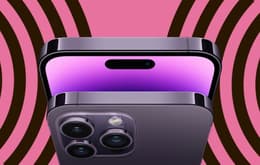
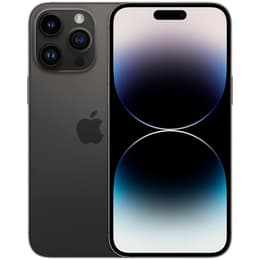
- Display Technology: The iPhone 14 Pro Max features a large 6.7-inch screen with advanced technology that allows the refresh rate to adjust automatically, ensuring smooth scrolling while conserving power. It also includes a functional cutout at the top for notifications and system status. The Galaxy S23 FE uses a 6.4-inch display that delivers deep blacks and vibrant colours, providing a high-quality viewing experience in a form factor that is easier to use with one hand.
- Outdoor Visibility: For users who spend a lot of time outdoors, the iPhone 14 Pro Max offers a higher peak brightness, which makes the screen significantly easier to read under direct, harsh sunlight. The Galaxy S23 FE is also very capable in bright conditions, though it does not reach the same maximum brightness levels as the iPhone, which may be a factor for users in exceptionally sunny environments.
Resolution
1080 x 2340
1290 x 2796
Screen type
Dynamic AMOLED 2X
LTPO Super Retina XDR OLED
Audiovisual
Both devices are equipped with versatile camera systems, though they are tuned for different types of photography and content creation.
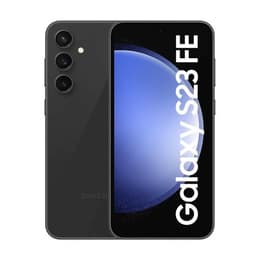
- Photography Versatility: The Galaxy S23 FE features a triple-lens setup, including a dedicated telephoto lens that allows for clear zoomed-in shots of distant subjects. The iPhone 14 Pro Max also uses a triple-camera system but includes a specialised depth sensor that improves focus speed in low-light conditions and enhances portrait photography. Both phones produce sharp, detailed images in daylight, with the Samsung often leaning towards more saturated colours.
- Video and Audio: The iPhone 14 Pro Max is widely considered a standard-setter for mobile video, offering excellent stabilisation and natural skin tones. It also features powerful stereo speakers that provide a clear and immersive audio experience. The Galaxy S23 FE records high-quality video suitable for social sharing and features a microphone system that effectively reduces background noise during voice calls and recordings.
Main camera
50 megapixels
48 megapixels
Front camera
10 megapixels
12 megapixels
Miscellaneous
Practical considerations such as physical handling and connectivity standards often define the daily satisfaction of owning these devices.
- Handling and Weight: There is a significant difference in the physical presence of these phones; the iPhone 14 Pro Max is a heavy and wide device that most users will find requires two hands for comfortable operation. The Galaxy S23 FE is lighter and narrower, making it more pocket-friendly and easier to grip during one-handed use.
- Ports and Connectivity: The Galaxy S23 FE utilises a universal USB-C port, which is compatible with most modern laptops and accessories. The iPhone 14 Pro Max uses the proprietary Lightning port for charging and data. Both devices support 5G for fast mobile internet and offer secure unlocking methods—the Galaxy via an in-display fingerprint sensor and the iPhone through facial recognition technology.
Weight
209 g
120 g
Screen size (in)
6.4
6.7
Mobile network
5G
5G
SIM card
Dual Physical SIM
Physical SIM + eSIM
Carrier compatibility
Unlocked
Unlocked
Connector
USB-C
Lightning
What the community thinks
User consensus from various technology forums suggests that both the Galaxy S23 FE and the iPhone 14 Pro Max remain highly capable devices in 2026. The iPhone 14 Pro Max is frequently praised for its remarkable battery life and the consistency of its camera, though its weight and the older charging port are common points of criticism. The Galaxy S23 FE is appreciated for offering a premium feel and a vibrant display in a more manageable size, though some users note that its battery performance can be less predictable under heavy workloads.
Choosing between these two depends on your specific priorities. Users who value a massive screen for media, the longest possible software support, and a highly efficient battery will likely find the iPhone 14 Pro Max better suited to their needs. On the other hand, users who prefer a lighter, more compact device with universal charging and a flexible Android interface may lean toward the Galaxy S23 FE. For those looking to make a sustainable choice, a quality-assured refurbished option for either model provides a way to access these high-end features while reducing environmental impact. Ultimately, both smartphones offer reliable performance for professional and personal use. As an eco-friendly alternative, choosing a refurbished device ensures these powerful tools stay in use for longer, supporting a more circular electronics economy.