
Galaxy S22+ 5G Vs Google Pixel 6

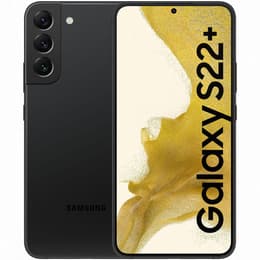
Galaxy S22+ 5G
Galaxy S22+ 5G
Starting at

Refurbished price:£167.00

Versus £1,174.01 new

See options
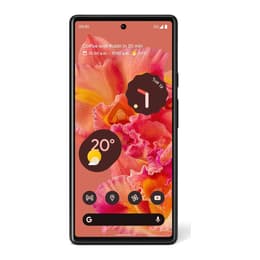
Google Pixel 6
Google Pixel 6
Starting at

Refurbished price:£101.00

Versus £649.99 new

See options

Ratings

The Samsung Galaxy S22 Plus 5G, released in February 2022, and the Google Pixel 6, launched in October 2021, are both Android smartphones that offer distinct approaches to the premium mobile experience. While the Galaxy S22 Plus emphasizes a polished hardware design and a versatile camera system, the Pixel 6 focuses on advanced computational photography and a streamlined software experience. Both devices run on the Android operating system, offering users a wide range of applications and customization options.

Scores

Durability

When considering the longevity of these devices, several factors come into play, including their release timelines, software support, and physical durability.

  • Release Timeline: The Google Pixel 6 was released in October 2021, making it slightly older than the Samsung Galaxy S22 Plus 5G, which debuted in February 2022. This difference in launch dates means the Pixel 6 will reach its end-of-software-support window a few months earlier.
  • Software Longevity: The Samsung Galaxy S22 Plus 5G launched with Android 12 and is expected to receive four major Android OS updates, bringing it up to Android 16, with security updates extending until February 2027. The Google Pixel 6 also launched with Android 12 and typically receives three major OS updates, meaning it should be on Android 15, with security updates continuing until October 2026.
  • Physical Durability: Both devices feature robust builds. The Galaxy S22 Plus 5G is protected by Gorilla Glass Victus+ on both the front and back, while the Pixel 6 uses Gorilla Glass Victus on the front and Gorilla Glass 6 on the back. Both phones also carry an IP68 rating for dust and water resistance, indicating a high level of protection against environmental elements.

Year of Release

2022

2021

Compatible with latest Update

Yes

Yes

OS

Android

Android

Foldable

No

No

Performance

The performance of a smartphone is crucial for daily tasks, from launching applications to managing multiple processes simultaneously.

  • Processing Power: The Samsung Galaxy S22 Plus 5G is equipped with a powerful processor designed for demanding applications and efficient multitasking. The Google Pixel 6 features Google's custom-designed processor, which is optimized for artificial intelligence tasks and a smooth user experience.
  • Multitasking and Responsiveness: Both phones offer 8GB of RAM, which is sufficient for handling multiple apps open concurrently and ensuring a responsive interface. Users can expect smooth transitions between applications and efficient background process management on either device.
  • Battery Behavior: The Galaxy S22 Plus 5G houses a 4500 mAh battery, with real-world usage reports varying, some users finding it sufficient for a full day of moderate use, while heavy users might need more frequent charging. The Pixel 6 comes with a slightly larger 4614 mAh battery, and Google claims it offers all-day battery life, with an extreme battery saver mode extending it further.

Memory (GB)

8 GB

8 GB

Screen quality

The display is a primary interface for smartphone interaction, and both the Galaxy S22 Plus 5G and Pixel 6 offer vibrant viewing experiences with some key differences.

  • Display Technology and Clarity: The Samsung Galaxy S22 Plus 5G features a 6.6-inch Dynamic AMOLED 2X display, known for its deep blacks and vibrant colors, with a Full HD+ resolution (1080 x 2340 pixels). The Google Pixel 6 has a 6.4-inch OLED display, also offering rich colors and good contrast, with a Full HD+ resolution (1080 x 2400 pixels).
  • Brightness and Refresh Rate: The Galaxy S22 Plus 5G boasts a high peak brightness of up to 1750 nits, making it highly visible even in bright outdoor conditions, and features an adaptive refresh rate that can go from 48Hz to 120Hz for smooth scrolling and gaming. The Pixel 6 offers a 90Hz refresh rate, providing a smooth visual experience, and its display is generally bright enough for outdoor use.
  • Viewing Experience: The larger screen of the Galaxy S22 Plus 5G provides a more expansive viewing area, which can be beneficial for media consumption and productivity. The Pixel 6's slightly smaller screen offers a comfortable one-handed experience for many users.

Resolution

1080 x 2340

1080 x 2400

Screen type

Dynamic AMOLED 2X

AMOLED

Audiovisual

Both smartphones are recognized for their camera capabilities, though they approach photography with different strengths and features.

  • Rear Camera Systems: The Samsung Galaxy S22 Plus 5G features a versatile triple-camera setup, including a 50MP wide-angle lens with optical image stabilization (OIS), a 12MP ultrawide lens, and a 10MP telephoto lens with 3x optical zoom and OIS. The Google Pixel 6 comes with a dual-camera system, featuring a 50MP wide-angle lens with OIS and a 12MP ultrawide lens.
  • Photography Performance: The Galaxy S22 Plus 5G offers strong performance in various lighting conditions, with improved low-light capabilities and enhanced zoom compared to its predecessors. The Pixel 6 is highly praised for its computational photography, delivering excellent detail, color accuracy, and features like Magic Eraser and Real Tone for natural skin tones.
  • Video and Audio: The Galaxy S22 Plus 5G can record video up to 8K at 24 frames per second, along with features like Auto Framing. The Pixel 6 records 4K video at 30 or 60 frames per second. Both devices offer good microphone quality for calls and recording, and stereo speakers for media consumption.

Main camera

50 megapixels

50 megapixels

Front camera

10 megapixels

8 megapixels

Miscellaneous

Beyond the core features, several practical elements contribute to the overall user experience of these devices.

  • Connectivity and Ports: Both the Galaxy S22 Plus 5G and the Pixel 6 support 5G connectivity for faster mobile data speeds. The S22 Plus 5G supports Wi-Fi 6E, offering potentially faster and more stable wireless connections, while the Pixel 6 supports Wi-Fi 6. Both devices utilize a USB Type-C port for charging and data transfer.
  • Biometric Security: For secure unlocking, the Galaxy S22 Plus 5G features an in-display ultrasonic fingerprint sensor. The Google Pixel 6 also includes an in-display optical fingerprint sensor.
  • Design and Handling: The Galaxy S22 Plus 5G measures 157.4 x 75.8 x 7.6 mm and weighs 195g, offering a relatively slim profile. The Pixel 6 is slightly thicker and heavier at 158.6 x 74.8 x 8.9 mm and 207g, featuring a distinctive camera bar design.

Weight

195 g

207 g

Screen size (in)

6.6

6.4

Mobile network

5G

5G

SIM card

Physical SIM + eSIM

Physical SIM + eSIM

Carrier compatibility

Unlocked

Unlocked

User feedback for the Samsung Galaxy S22 Plus 5G often praises its bright and vibrant display, robust build quality, and versatile camera system, particularly the optical zoom capabilities. Some common criticisms have included varying battery life experiences depending on usage and region-specific processor performance. The Google Pixel 6 is frequently lauded for its exceptional camera performance, especially in computational photography, and its clean, timely Android software experience. However, some users have noted mixed reactions to its in-display fingerprint sensor and battery life.

Users prioritizing a highly versatile camera with optical zoom, a very bright display for outdoor visibility, and a slightly thinner design may find the Samsung Galaxy S22 Plus 5G well-suited to their needs. Those who value a pure Android experience with immediate software updates, advanced AI-driven camera features, and a distinctive design might lean towards the Google Pixel 6. Both devices represent solid choices in the Android smartphone market, and opting for a quality-assured refurbished option can be a sustainable choice for either model, offering a reliable device while contributing to environmental responsibility.


See all articles

Our recent comparisons