Galaxy S21 FE 5G Vs iPhone 11

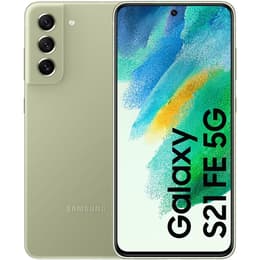
Galaxy S21 FE 5G
Galaxy S21 FE 5G
Starting at

Refurbished price:£123.00

Versus £759.00 new

See options
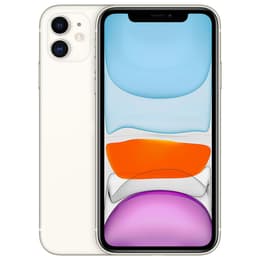
iPhone 11
iPhone 11
Starting at

Refurbished price:£123.00

Versus £489.00 new

See options

Ratings

The Samsung Galaxy S21 FE 5G, released in early 2022, and the Apple iPhone 11, launched in late 2019, represent two different eras of smartphone technology. While the Galaxy S21 FE 5G was designed as a modern, feature-rich device for a contemporary audience, the iPhone 11 remains a widely used model known for its straightforward interface and reliable ecosystem. The primary differences between these two smartphones lie in their display technology, mobile network compatibility, and the length of software support remaining for each model.

The Galaxy S21 FE 5G operates on the Android platform, offering a high degree of customisation and integration with Google services. In contrast, the iPhone 11 runs on iOS, which is often preferred by users who value a consistent and streamlined user experience across multiple Apple devices. Both smartphones continue to be relevant for daily tasks, but they cater to different user priorities regarding screen fluidity and long-term connectivity standards.

Scores

Durability

When evaluating how long these devices will remain functional and secure, the release dates play a significant role in determining their remaining software support cycles.

  • Software Longevity: The Galaxy S21 FE 5G was released significantly later than the iPhone 11, meaning it is scheduled to receive Android operating system updates and security patches for several years beyond the expected cutoff for the older Apple model. This makes the Samsung device a more viable option for users who intend to keep their smartphone for a longer period without losing access to the latest features.
  • Build and Repairability: The iPhone 11 features a glass back and an aluminium frame, which provides a traditional feel but is susceptible to cracking if dropped. The Galaxy S21 FE 5G uses a reinforced polycarbonate back, which is often more resilient to impacts and everyday wear. Both devices have established repair networks, though the newer internal layout of the Samsung model is designed for modern servicing standards.
  • Sustainable Choice: For those looking to reduce their environmental impact, choosing a sustainable choice through a second-hand market ensures these capable devices stay in use longer, effectively extending their practical lifespan while reducing electronic waste.

Year of Release

2022

2019

Compatible with latest Update

Yes

Yes

OS

Android

iOS

Foldable

No

No

Performance

Performance in these devices is defined by how smoothly they handle multitasking, modern applications, and battery endurance throughout a typical day of use.

  • System Responsiveness: The Galaxy S21 FE 5G is equipped with more modern internals and a higher amount of temporary memory, which allows it to handle demanding applications and heavy multitasking with ease. While the iPhone 11 remains responsive for standard daily activities like browsing and messaging, it may show signs of slowing down when running the most intensive modern games or complex video editing software.
  • Battery Endurance: With a larger physical battery capacity, the Galaxy S21 FE 5G is designed to support a full day of heavy usage, including media streaming and navigation. The iPhone 11 offers reliable battery life for moderate users, but those who use their phones constantly may find themselves needing to recharge sooner, especially as the device ages.
  • Storage and Connectivity: The Galaxy S21 FE 5G supports 5G networks, providing faster data speeds in areas with modern infrastructure. The iPhone 11 is limited to 4G LTE, which is still functional for most tasks but lacks the future-readiness of the newer cellular standard.

Memory (GB)

8 GB

4 GB

Screen quality

The viewing experience differs greatly between these two models due to the evolution of display technology and refresh rates over the three years separating them.

  • Display Technology: The Galaxy S21 FE 5G features an AMOLED display, which provides deep blacks and high contrast by allowing individual pixels to turn off completely. The iPhone 11 uses an LCD screen, which requires a backlight; this results in slightly less vibrant colours and lower contrast ratios compared to the Samsung model.
  • Motion Smoothness: A standout feature of the Galaxy S21 FE 5G is its high refresh rate, which makes scrolling through social media feeds and navigating menus feel exceptionally fluid. The iPhone 11 uses a standard refresh rate, which is functional and clear but lacks the visual smoothness found on more modern displays.
  • Outdoor Visibility: The screen on the Galaxy S21 FE 5G can reach higher brightness levels, making it easier to read text and view photos when used directly under bright sunlight. The iPhone 11 remains legible in most conditions, but users may find themselves seeking shade to see the screen clearly on very bright days.

Resolution

1080 x 2340

828 x 1792

Screen type

Dynamic AMOLED 2X

Liquid Retina IPS LCD

Audiovisual

Both smartphones offer versatile camera systems, but the Galaxy S21 FE 5G provides more hardware options for different types of photography.

  • Zoom Capabilities: The Galaxy S21 FE 5G includes a dedicated telephoto lens, allowing users to capture clear photos of distant subjects with optical zoom. The iPhone 11 lacks a dedicated zoom lens, meaning any close-up shots of far-away objects rely on digital cropping, which can result in a loss of detail and clarity.
  • Low-Light Performance: Both devices feature dedicated modes for night photography, but the newer sensors in the Galaxy S21 FE 5G generally produce images with less noise and more detail in challenging lighting conditions. The iPhone 11 still performs admirably in dim environments, though it may struggle with fine textures compared to the newer Samsung.
  • Video and Audio: The iPhone 11 is frequently noted for its consistent video stabilisation and natural colour reproduction in recordings. Both devices feature high-quality microphones that filter out background noise effectively during calls or when recording voice memos, ensuring clear audio capture for personal and professional use.

Main camera

12 megapixels

12 megapixels

Front camera

32 megapixels

12 megapixels

Miscellaneous

Practical considerations such as physical dimensions, charging ports, and security sensors influence the daily handling of these smartphones.

  • Biometrics and Security: The iPhone 11 relies on facial recognition technology for unlocking the device and authenticating payments, which is fast and secure. The Galaxy S21 FE 5G uses an optical fingerprint sensor located under the display, offering a different method of secure access that some users find more convenient when wearing face coverings.
  • Physical Handling: Despite having a larger screen, the Galaxy S21 FE 5G is surprisingly light and features a slim profile that makes it easy to hold for extended periods. The iPhone 11 has a slightly more substantial weight and a wider frame, which gives it a sturdy feel but may be less comfortable for users with smaller hands.
  • Ports and Charging: The iPhone 11 uses a proprietary Lightning port for charging and data transfer, while the Galaxy S21 FE 5G uses the more universal USB-C standard. This makes the Samsung device more compatible with a wide range of modern accessories and charging cables used by other electronics like laptops and tablets.

Weight

177 g

194 g

Screen size (in)

6.4

6.1

Mobile network

5G

4G

SIM card

Physical SIM

Physical SIM + eSIM

Carrier compatibility

Unlocked

Unlocked

In summary, the choice between the Galaxy S21 FE 5G and the iPhone 11 depends largely on a user's preference for specific features and their desired ecosystem. Based on common user feedback, the Galaxy S21 FE 5G is frequently praised for its vibrant, smooth display and the inclusion of 5G connectivity, which many see as essential for long-term use. However, some users have noted that the plastic build, while durable, does not have the same tactile feel as the glass-backed iPhone. The iPhone 11 continues to receive praise for its consistent performance and the simplicity of the iOS interface, though its older screen technology and lack of 5G are common points of criticism for those looking toward the future.

Users who prioritise a high-quality screen for media consumption and want a device that will remain compatible with the fastest mobile networks should consider the Galaxy S21 FE 5G. Conversely, users who prefer the Apple ecosystem and require a reliable, straightforward smartphone for standard daily tasks may find the iPhone 11 suits their needs perfectly. Both devices are available as a quality-assured refurbished option, providing a way to access these technologies while supporting more sustainable consumption habits. Ultimately, both smartphones remain capable tools for modern communication, with the Galaxy S21 FE 5G offering more advanced hardware and the iPhone 11 providing a familiar and stable user experience.

See all articles

Our recent comparisons