Galaxy S20 5G Vs iPhone XR

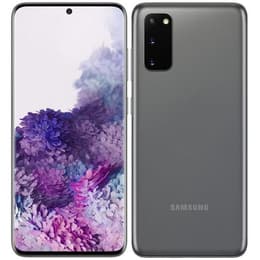
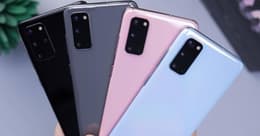
Galaxy S20 5G
Galaxy S20 5G
Starting at

Refurbished price:£133.00

Versus £899.00 new

See options
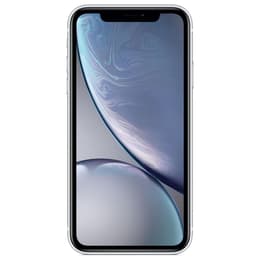
iPhone XR
iPhone XR
Starting at

Refurbished price:£100.00

Versus £399.00 new

See options

Ratings

The Samsung Galaxy S20 5G, released in early 2020, and the iPhone XR, launched in late 2018, represent two different generations of smartphone technology. While the Galaxy S20 5G was introduced as a high-end flagship with modern mobile data capabilities, the iPhone XR was designed to offer the core Apple experience in a more accessible package. These devices operate on different platforms—Android and iOS respectively—which influences everything from the user interface to how the devices interact with other gadgets like smartwatches and tablets.

The primary differences between these two handsets lie in their display technology, camera versatility, and mobile network compatibility. The Galaxy S20 5G offers a more feature-rich hardware experience, whereas the iPhone XR focuses on simplicity and long-term software reliability within a closed ecosystem. Both remain popular choices for users seeking dependable performance without needing the absolute latest releases.

Scores

Durability

The Galaxy S20 5G and iPhone XR have different expectations regarding their remaining functional life due to their release dates and manufacturer support policies.

  • Software Longevity: The iPhone XR has benefited from Apple's long-term software support, receiving major updates for many years, though it is now entering the final stages of its official update eligibility. The Galaxy S20 5G, being newer, launched with a more modern version of Android and has completed its major version upgrade cycle, now focusing on essential security maintenance to keep the device safe.
  • Physical Build and Protection: Both phones feature glass front and back panels with metal frames, requiring careful handling or protective cases to prevent damage. The Galaxy S20 5G carries a higher rating for water and dust resistance, providing slightly more peace of mind against accidental submersions compared to the iPhone XR.
  • Maintenance and Repair: As popular models from major manufacturers, both devices have widely available replacement parts and established repair paths. Choosing a quality-assured refurbished option can extend the practical lifespan of these handsets significantly while reducing environmental impact.

Year of Release

2020

2018

Compatible with latest Update

No

Yes

OS

Android

iOS

Foldable

No

No

Performance

When comparing how these devices handle daily tasks, the Galaxy S20 5G offers more modern internals that cater to heavy users, while the iPhone XR remains efficient for standard activities.

  • System Responsiveness: The Galaxy S20 5G is equipped with a much larger amount of temporary memory, allowing it to keep dozens of apps open simultaneously without slowing down. The iPhone XR manages its resources efficiently but may need to reload apps more frequently when switching between demanding tasks like navigation and social media.
  • Battery Life and Charging: The Galaxy S20 5G houses a larger battery capacity designed to support its advanced features, and it benefits from faster charging via its universal port. The iPhone XR is known for its consistent power management during light use, though it lacks the rapid charging speeds found in newer generations.
  • Storage and Expansion: Users who record a lot of video or download large files will appreciate the Galaxy S20 5G's ability to expand its storage with a memory card. The iPhone XR relies solely on its internal capacity, which cannot be increased after purchase, requiring more reliance on cloud storage services.

Memory (GB)

12 GB

3 GB

Screen quality

The display is perhaps the most noticeable area of divergence, with the Galaxy S20 5G utilising much newer screen technology than the iPhone XR.

  • Visual Technology: The Galaxy S20 5G features an AMOLED display that produces deep, true blacks and highly saturated colours, making it ideal for watching films or viewing photos. The iPhone XR uses an LCD screen which, while accurate in its colour reproduction, cannot match the contrast levels or the always-on capabilities of its competitor.
  • Motion Smoothness: A key feature of the Galaxy S20 5G is its high refresh rate, which makes scrolling through text and animations appear twice as smooth as on the iPhone XR. This reduces eye strain for some users during long browsing sessions and makes the interface feel more reactive.
  • Clarity and Brightness: The Galaxy S20 5G offers a significantly higher pixel density, resulting in sharper text and finer details in images. It also reaches higher peak brightness, which is a major advantage when trying to read the screen in bright outdoor environments or direct sunlight.

Resolution

1440 x 3200

828 x 1792

Screen type

Dynamic AMOLED 2X

Liquid Retina IPS LCD

Audiovisual

The camera systems on these two devices reflect the shift in mobile photography trends between 2018 and 2020, moving from single-lens simplicity to multi-lens versatility.

  • Photography Versatility: The Galaxy S20 5G boasts a triple-camera array, including a high-resolution telephoto lens for zooming and an ultra-wide lens for capturing expansive landscapes. The iPhone XR features a single reliable lens that takes great everyday photos but lacks the flexibility for wide-angle or close-up zoom shots.
  • Video Capabilities: Both smartphones are capable of recording high-definition video with good stabilisation for smooth footage. However, the Galaxy S20 5G supports much higher recording resolutions and offers more granular control over video settings for those who enjoy creating social media content.
  • Audio Experience: The iPhone XR is frequently praised for its balanced stereo speakers and clear microphone quality during voice calls and recordings. The Galaxy S20 5G also provides a strong audio experience with speakers tuned for clarity, though it lacks a traditional headphone jack, requiring wireless or adapter-based connections.

Main camera

12 megapixels

12 megapixels

Front camera

10 megapixels

7 megapixels

Miscellaneous

Practical daily usage is influenced by the physical design and the connectivity standards supported by each device in different environments.

  • Mobile Connectivity: The Galaxy S20 5G is built for the future of mobile data, supporting 5G networks for significantly faster download and upload speeds. The iPhone XR is limited to 4G LTE, which is still widely used but may feel slower when handling large data transfers in crowded areas.
  • Security and Access: The iPhone XR uses a sophisticated facial recognition system that is highly regarded for its security and ease of use in various lighting conditions. The Galaxy S20 5G uses a fingerprint sensor located beneath the display, allowing for quick unlocking even when the user's face is partially covered.
  • Ergonomics and Build: The Galaxy S20 5G is notably slimmer and lighter than the iPhone XR, making it more comfortable for users with smaller hands or those who prefer one-handed use. The iPhone XR has a slightly wider and heavier feel, which some users find provides a more substantial and robust sensation in the hand.

Weight

163 g

194 g

Width

6,91 cm

7,57 cm

Height

15,17 cm

15,09 cm

Screen size (in)

6.2

6.1

Mobile network

5G

4G

SIM card

Dual Physical SIM

Physical SIM + eSIM

Carrier compatibility

Unlocked

Unlocked

Connector

USB-C

Lightning

Public sentiment gathered from user forums suggests that both the Galaxy S20 5G and the iPhone XR have loyal followings for different reasons. Galaxy S20 5G users often highlight the vibrant display and the fluid feel of the high refresh rate as standout features that make the device feel modern even years after its release. However, some users mention that the battery life can be inconsistent when all the high-end features are active. iPhone XR owners, on the other hand, frequently celebrate the device's reliability and the fact that it still runs smoothly on recent software versions, though many admit the screen resolution feels dated compared to modern standards.

The choice between these two smartphones depends on your specific daily requirements. Users who prioritise a cutting-edge visual experience, versatile photography options, and the fastest possible mobile data speeds will likely find the Galaxy S20 5G to be the better fit for their lifestyle. Conversely, those who value a simple, dependable user interface, long-term software consistency, and a device that integrates seamlessly with other Apple products may prefer the iPhone XR. Both devices represent a sustainable choice when purchased as a professional refurbished option, allowing you to access high-quality technology while reducing electronic waste. Ultimately, the Galaxy S20 5G is the more feature-rich device for power users, while the iPhone XR remains a solid, no-nonsense choice for everyday communication.

See all articles

Our recent comparisons