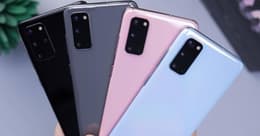
Galaxy S20 5G Vs iPhone 11 Pro

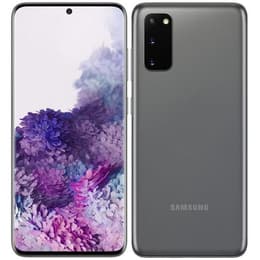
Galaxy S20 5G
Galaxy S20 5G
Starting at

Refurbished price:£133.00

Versus £899.00 new

See options
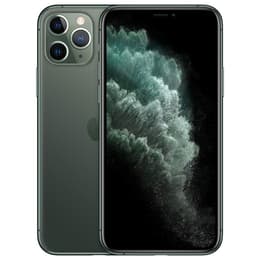
iPhone 11 Pro
iPhone 11 Pro
Starting at

Refurbished price:£151.00

Versus £639.00 new

See options

Ratings

The Samsung Galaxy S20 5G, released in early 2020, and the iPhone 11 Pro, launched in late 2019, represent a significant era in smartphone development. While they arrived only months apart, they offer distinct philosophies regarding mobile technology and user interface. The Galaxy S20 5G introduced high-speed connectivity and fluid display technology to the mainstream, whereas the iPhone 11 Pro focused on refining the camera experience and maintaining a compact, ergonomic form factor.

Scores

Durability

The Galaxy S20 5G and iPhone 11 Pro have reached a stage where software support and physical resilience are key considerations for users evaluating which lasts longer.

  • Software Longevity: The iPhone 11 Pro typically benefits from the extended update cycles associated with its manufacturer, often receiving security patches and functional updates for several years beyond its initial release. In contrast, the Galaxy S20 5G follows a structured update path that generally concludes after a set number of major version jumps, though it remains functional for all standard applications.
  • Physical Build and Repair: Both phones feature glass and metal constructions that require careful handling. The Galaxy S20 5G uses a curved glass design which can be more complex to protect with standard screen protectors, while the iPhone 11 Pro utilises a matte glass back that resists fingerprints but remains susceptible to impact.
  • Practical Lifespan: Users can expect both devices to remain relevant for daily tasks like browsing and social media, though the iPhone 11 Pro may have a slight edge in terms of receiving the latest software features in the long run.

Year of Release

2020

2019

Compatible with latest Update

No

Yes

OS

Android

iOS

Foldable

No

No

Performance

When evaluating daily tasks, the difference lies in memory management and connectivity rather than raw speed, helping users decide which has better battery and multitasking performance.

  • Multitasking and Memory: The Galaxy S20 5G is equipped with a high amount of temporary memory, which allows it to keep numerous applications open in the background without needing to reload them. This makes it particularly effective for users who frequently switch between intensive work apps and media. The iPhone 11 Pro uses a more streamlined approach to memory management, ensuring that the active application runs with high stability and responsiveness.
  • Connectivity Standards: A significant differentiator is the inclusion of 5G capabilities in the Galaxy S20 5G, allowing for faster data speeds in areas with modern network infrastructure. The iPhone 11 Pro relies on 4G LTE, which is still widely available and reliable for most streaming and browsing needs but lacks the future-ready speed of its counterpart.
  • Battery and Storage: Both devices are designed to last through a standard day of moderate use. The Galaxy S20 5G offers the flexibility of expandable storage via a card slot, whereas the iPhone 11 Pro requires users to select their storage capacity at the time of purchase.

Memory (GB)

12 GB

4 GB

Screen quality

The visual experience on these two handsets highlights a shift toward higher refresh rates and different display shapes for typical viewing.

  • Fluidity and Motion: The Galaxy S20 5G features a display capable of refreshing 120 times per second, resulting in smooth scrolling and animations that feel immediate to the touch. The iPhone 11 Pro maintains a standard refresh rate which, while consistent and reliable, does not offer the same level of perceived fluid motion during fast-paced interactions.
  • Clarity and Colour: Both devices utilise advanced organic light-emitting diode technology, providing deep blacks and high contrast ratios. The iPhone 11 Pro is often noted for its natural colour calibration, making it a favourite for those who view or edit photos. The Galaxy S20 5G offers a slightly larger screen area with thin borders, providing an immersive feel for video content.
  • Outdoor Visibility: Each phone provides sufficient brightness for use in daylight, though the Galaxy S20 5G screen is designed to handle bright environments effectively, ensuring text remains legible even under direct sun.

Resolution

1440 x 3200

1125 x 2436

Screen type

Dynamic AMOLED 2X

Super Retina XDR OLED

Audiovisual

The camera systems on these devices represent two of the most capable setups from their respective years, helping users determine which is better for photos and video.

  • Zoom and Detail: The Galaxy S20 5G utilises a high-resolution sensor for its telephoto lens, allowing users to crop into images or zoom in significantly while maintaining a good level of detail. This is particularly useful for capturing subjects from a distance. The iPhone 11 Pro uses a dedicated lens for zooming that prioritises consistent colour and exposure across all three of its rear cameras.
  • Video and Audio: For video creators, the iPhone 11 Pro is frequently cited for its smooth transitions between lenses and excellent stabilisation, which helps reduce shakiness during handheld filming. The Galaxy S20 5G offers the ability to record in high resolution, providing more flexibility for those who wish to edit their footage later on a larger screen.
  • Sound Quality: Both devices feature stereo speakers that provide a clear and balanced audio experience for watching movies or taking calls on speakerphone. The microphones are well-tuned to filter out background noise, ensuring clear voice capture in various environments.

Main camera

12 megapixels

12 megapixels

Front camera

10 megapixels

12 megapixels

Miscellaneous

Beyond the core specifications, the physical handling and security features of these phones influence the daily user experience and accessibility.

  • Security and Access: The iPhone 11 Pro uses facial recognition technology for secure unlocking, which is highly integrated into the software for authenticating payments and app logins. The Galaxy S20 5G employs an ultrasonic sensor located under the display, allowing users to unlock the device with a fingerprint even if they are wearing a mask or sunglasses.
  • Dimensions and Weight: The iPhone 11 Pro is the more compact of the two, making it easier to use with one hand for people with smaller hands. The Galaxy S20 5G is taller and narrower, which makes it comfortable to grip while providing more vertical screen space for reading articles or scrolling through feeds.
  • Charging and Ports: The Galaxy S20 5G uses the universal USB-C standard, which is compatible with most modern laptops and tablets. The iPhone 11 Pro uses a proprietary port, which may require specific cables if the user is not already within the manufacturer ecosystem.

Weight

163 g

188 g

Screen size (in)

6.2

5.8

Mobile network

5G

4G

SIM card

Dual Physical SIM

Physical SIM + eSIM

Carrier compatibility

Unlocked

Unlocked

Connector

USB-C

Lightning

In summary, the choice between the Galaxy S20 5G and the iPhone 11 Pro often comes down to specific hardware preferences versus ecosystem stability. According to user discussions on various tech forums, the Galaxy S20 5G is frequently praised for its forward-looking 5G support and its smooth display, which many users find difficult to move away from once experienced. However, some users have noted that the fingerprint sensor can occasionally be less consistent than traditional physical sensors. On the other hand, the iPhone 11 Pro is lauded for its reliable camera performance and its manageable size, though some users express disappointment at the lack of 5G and the base storage limitations.

Users who prioritise a modern, fluid screen and the latest network speeds will likely find the Galaxy S20 5G to be the better fit for their needs. Conversely, those who prefer a compact device with a highly consistent camera and long-term software reliability may lean toward the iPhone 11 Pro. Choosing a quality-assured refurbished option for either of these models is an eco-friendly alternative that helps reduce electronic waste while providing a high-performance device. Ultimately, both smartphones remain capable tools for communication, productivity, and creativity, and opting for a sustainable choice like a refurbished unit ensures these well-built machines continue to serve users effectively.

See all articles

Our recent comparisons